Sustainable meal planning helps busy families minimize food waste, reduce grocery costs, and save time by using weekly templates, seasonal shopping, batch-cooking staples, repurposing leftovers, labeled storage, shared shopping lists, simple reheating rules, and easy kid-friendly tasks that keep meals nutritious, organized, and affordable.
sustainable meal planning can cut household food waste by up to 30% (EPA); think of it as a roadmap for your fridge — plan one weekly menu, batch-cook staples, and rotate leftovers to save time and money.
Why sustainable meal planning matters for busy families
Sustainable meal planning helps busy families use time and food more wisely. It turns chaotic evenings into simple routines and lowers daily stress.
Benefits for families
- Save time: Plan one weekly menu, shop once, and prep staples to cut daily cooking time.
- Save money: Buying seasonal produce, bulk staples, and avoiding impulse buys reduces the food bill.
- Reduce waste: Using leftovers, freezing extras, and composting scraps keeps food out of the trash.
- Better nutrition: Planning lets you balance meals with vegetables, protein, and whole grains more consistently.
- Less decision fatigue: A simple rotation of family favorites makes mealtime decisions faster.
- Positive environmental impact: Choosing local and seasonal ingredients lowers food miles and packaging.
Practical steps to start
- Pick two to three weekly templates (e.g., pasta night, grain bowl, soup) to simplify planning.
- Batch-cook staples like rice, beans, and roasted vegetables for easy assembly.
- Create a categorized shopping list and stick to it; prioritize seasonal items to save money.
- Set one night as “leftovers night” and label containers with dates to avoid waste.
- Involve kids with simple tasks; they learn habits and meals go faster.
- Use reusable containers, bulk bins, and a small kitchen compost to reduce packaging waste.
- Try one app or printable planner to keep menus and lists in one place.
Small changes add up: a single weekly plan can cut wasted food and free up hours for family time each week.
Quick weekly menu templates that reduce waste
Quick weekly menu templates save time and cut food waste by repeating versatile bases and reusing leftovers.
Simple menu templates
- Grain bowl night: Cook a large batch of rice or quinoa, add roasted vegetables, a protein (beans, chicken, or tofu), and a quick dressing. Use extra grains for salad bowls the next day.
- Pasta night: Make a sauce that stretches—tomato, pesto, or bean-based—and toss with whole-grain pasta. Reserve a jar of sauce for frozen meals.
- Soup and salad night: Prepare a big pot of soup and pair with a composed salad. Use leftover soup as a base for casseroles or sauces later in the week.
- Stir-fry night: Keep pre-chopped veggies and cooked protein on hand. Stir-fry uses small amounts from the fridge and prevents spoilage.
- Taco or wrap night: Roast one tray of vegetables and one protein. Offer toppings from the salad drawer to clear small items.
- Leftovers night: Plan one evening to rework meals into new dishes—fried rice, wraps, or mixed bowls—so nothing is wasted.
How to build and use templates
- Choose three to four templates that fit your family taste and rotate them weekly to reduce decision time.
- Shop by category: make a list of staples, produce, proteins, and fridge items to avoid impulse buys.
- Batch-cook staples (grains, beans, roasted veg) on one day and portion into reusable containers for quick assembly.
- Plan two uses per cooked item: one main meal and one variation to avoid single-use leftovers.
- Store meals in clear containers and freeze extras immediately. Label containers with dates to track freshness.
- Keep a simple nightly rule, like using the smallest produce first, to prevent spoilage.
- Involve one family member in prep and one in clean-up to keep the system fast and reliable.
Small repeats make big gains: a few templates reduce waste, save money, and free up time each week.
Smart shopping: shopping list hacks and seasonality
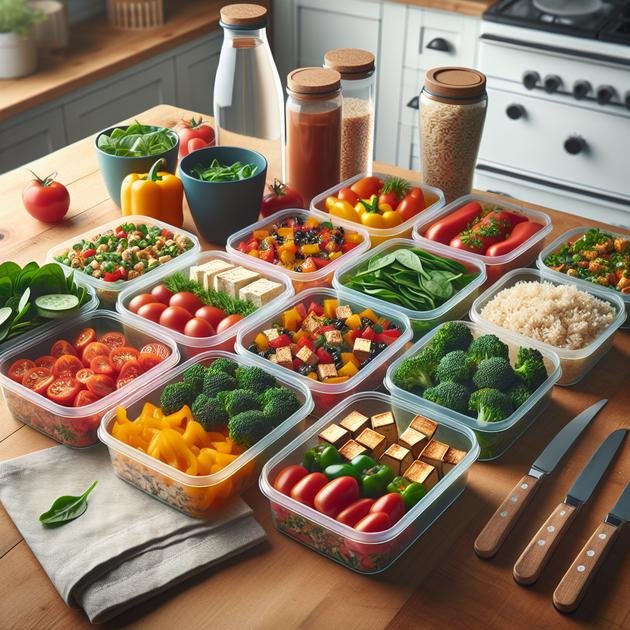
Smart shopping cuts costs and waste by pairing a clear list with seasonal choices and simple habits.
Shopping list hacks
- Check your pantry first: note what you already have to avoid duplicates and use up older items.
- Create a categorized list (produce, proteins, staples) to speed trips and prevent impulse buys.
- Keep a running list on your phone or a central notepad so everyone adds needs as they arise.
- Buy versatile ingredients: choose items that work in multiple templates (eggs, canned tomatoes, beans).
- Use unit prices to compare value, and favor bulk bins for staples you use often.
- Shop the perimeter for fresh items and add a quick check of shelves for pantry staples.
- Bring reusable bags and containers to reduce packaging and make bulk purchases easier.
Seasonality tips
- Choose seasonal produce: it’s usually cheaper, fresher, and more flavorful—swap recipes to match what’s on sale.
- Visit farmers markets or local stands to find weekly deals and lower food miles.
- Buy frozen fruit and vegetables in the off-season to keep cost and nutrition stable.
- Plan meals around one or two seasonal stars each week and build sides from staples.
- Preserve excess—freeze chopped veggies, make sauces, or can fruit to avoid waste and save money later.
- Keep a simple seasonal calendar for your region to know when staples are cheapest.
Small habits: a short pre-shop check and a seasonal swap can cut waste and stretch your grocery budget every week.
Batch cooking and simple meal prep routines
Batch cooking and simple meal prep routines turn busy nights into quick assemblies. Cook once, eat well, and free time for family or rest.
Batch cooking basics
- Pick a prep day: choose one time block each week (60–120 minutes) to cook staples.
- Start small: cook one grain, one protein, and two roasted or steamed vegetables to mix and match.
- Use multi-task methods: sheet-pan dinners, large slow-cooker batches, or an Instant Pot speed up work.
- Cook versatile items: roasted vegetables, beans, grilled chicken, and plain grains can appear in many meals.
- Portion while cool: divide food into meal-sized containers to grab and reheat easily.
Simple meal prep routine
- Mise en place: wash, chop, and group ingredients before turning on the stove to save time and reduce mistakes.
- Batch tasks by tool: bake all oven items together, then use the stove for sauces and grains.
- Label containers with date and content using removable stickers; rotate older items to eat first.
- Keep a ready-to-assemble box: dressings, toppings, and quick proteins in one shelf for fast bowls or wraps.
- Plan two meals from each cooked item: for example, roasted vegetables for bowls and later in an omelet or quesadilla.
Storage and safety
- Cool food within two hours and store in shallow, airtight containers to preserve freshness.
- Refrigerate meals for up to 3–4 days; freeze extras for 2–3 months to avoid spoilage.
- When reheating, bring food to steaming hot throughout or use a food thermometer to reach 165°F (74°C).
- Thaw safely in the fridge or use the microwave; never leave perishable food at room temperature for long.
Time-saving tools and tips
- Use quality reusable containers that stack; clear containers show contents at a glance.
- Invest in one good knife, a baking sheet, and a multi-cooker to speed tasks.
- Double recipes you already like and freeze half for future weeknights.
- Involve kids with simple jobs like washing produce or packing containers to save time and build habits.
Small routines matter: a regular batch-cook session makes weeknight meals faster, cuts waste, and keeps healthy choices within reach.
Kid-friendly nutritious recipes that save time
Easy, nutritious recipes make mealtime faster and keep kids full of energy. Focus on simple steps and foods children already like.
Quick kid-friendly recipe ideas
- Mini whole-grain wraps: Fill small tortillas with hummus, shredded chicken, cheese, and spinach. Roll and slice for an easy hand-held meal.
- Rainbow bento box: Combine cooked grains, protein (boiled egg or beans), sliced veggies, fruit, and a small dip for variety and balance.
- Veggie-packed pasta: Stir grated carrots, zucchini, or spinach into sauce and toss with pasta for hidden extra nutrition.
- Sheet-pan quesadillas: Layer tortillas with beans and cheese, bake on a tray, then cut into wedges—fast and shareable.
- Smoothie packs: Freeze single-serve bags of fruit, spinach, and yogurt. Blend with milk for a quick breakfast or snack.
Make-ahead and assembly tips
- Batch-cook proteins like grilled chicken, beans, or tofu and portion into ready-to-use containers.
- Pre-chop veggies and keep them in clear containers for snacks, wraps, or stir-fries.
- Prepare a simple sauce or dressing to change flavors—use one base for bowls, wraps, and salads.
- Assemble grab-and-go boxes the night before for busy morning or after-school needs.
- Freeze double batches of kid favorites and label with the date for quick reheating.
Nutrition swaps and balance
- Swap refined carbs for whole grains: choose whole-wheat pasta, brown rice, or whole-grain tortillas for more fiber.
- Add a veg to every dish: mix shredded or pureed vegetables into sauces, meatballs, or pancakes.
- Include a protein at each meal: eggs, yogurt, beans, or lean meats help kids stay satisfied longer.
- Offer a small fruit or veggie first to boost intake before the main plate.
Strategies for picky eaters
- Serve new foods next to a known favorite and keep portions small to reduce resistance.
- Use dips and fun shapes to make veggies more appealing to kids.
- Let children choose between two healthy options to give them a sense of control.
- Introduce one change at a time and praise small steps toward trying new foods.
Quick safety and storage tips
- Cool cooked food quickly and store in shallow containers to keep freshness.
- Label containers with dates and rotate older items to the front of the fridge.
- Reheat leftovers until hot and serve immediately to ensure safety.
Budget-focused strategies to cut costs and food waste
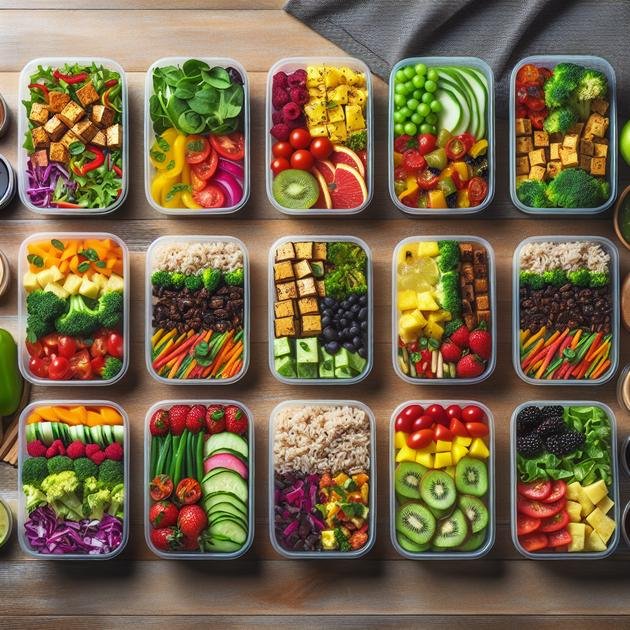
Stretch your grocery budget while cutting food waste with small, repeatable habits. Focus on planning, smart buys, and using every ingredient.
Smart shopping moves
- Compare unit prices: pick the best value per ounce or pound rather than the cheapest package.
- Buy bulk staples you use often (rice, oats, beans) and store them in airtight jars.
- Choose seasonal produce and frozen options to save money without losing nutrition.
- Shop with a list and stick to it; avoid hungry shopping to reduce impulse buys.
- Use leftovers as planned ingredients—buy one protein and plan two meals from it.
Plan meals to reduce waste
- Make a simple weekly menu that reuses ingredients across meals to prevent single-use items.
- Plan one “leftovers remix” night to turn extras into a new dish like fried rice or quesadillas.
- Portion meals before storing so you reheat only what you need and avoid spoilage.
- Set a fridge rule: use the most perishable items first each week.
Choose cost-effective ingredients
- Swap pricey proteins: use beans, lentils, eggs, and canned fish as affordable protein sources.
- Favor whole grains and seasonal vegetables as meal bases to lower per-meal cost.
- Make sauces and dressings at home from pantry staples to avoid expensive jarred options.
Preserve extras and reduce waste
- Freeze leftovers and extra portions in clear containers with dates to extend life.
- Repurpose scraps: vegetable peels for stock, stale bread for croutons or breadcrumbs.
- Store herbs by trimming stems and placing in a jar of water, or freeze in oil cubes for later use.
Track costs and use tools
- Keep a simple weekly spending note to spot patterns and areas to cut back.
- Use one grocery app or a paper tracker to compare prices and coupons without clutter.
- Share bulk purchases with neighbors or join a co-op to lower per-unit prices.
Small shifts: shopping smarter, planning reuse, and preserving extras can cut your grocery bill and food waste noticeably each month.
Using leftovers creatively and safe storage tips
Leftovers can become fresh, tasty meals with a little planning and safe storage.
Creative ways to reuse leftovers
- Fried rice or grain bowls: toss cold rice or quinoa with eggs, veggies, and a splash of soy or lemon for a fast meal.
- Soup, stew, or sauce base: blend extra cooked vegetables into a sauce or add broth to thin a chunky stew.
- Frittatas and omelets: mix chopped roasted vegetables, meats, or grains into eggs for a quick family breakfast or dinner.
- Wraps and tacos: use sliced proteins and roasted veg with greens and a simple sauce for handheld meals.
- Casseroles and bakes: layer leftovers with a starch and a binder (sauce, eggs, or cheese) and bake until heated through.
- Bread rescue: turn stale bread into croutons, breadcrumbs, or a quick bread pudding.
- Smoothies: freeze ripe fruit and blend with yogurt or milk to use fruit that’s past peak.
Safe cooling and storing
- Cool food within two hours and divide into shallow airtight containers to chill faster.
- Label containers with the date and content; keep older items at the front for quick use.
- Refrigerate most cooked foods for up to 3–4 days; freeze extras for longer storage.
- Portion into single-meal sizes so you only reheat what you need and reduce waste.
- Never leave perishable food at room temperature for more than two hours (one hour above 90°F).
Thawing and reheating safely
- Thaw in the refrigerator or use the microwave for quick defrosting—avoid countertop thawing.
- Reheat foods until steaming hot throughout or to an internal temperature of 165°F (74°C) using a food thermometer.
- Do not reheat more than once; if you’ve reheated and not finished the meal, discard the remainder.
- When in doubt, check smell, texture, and color; trust your senses and discard any questionable items.
Freezing tips for quality
- Cool foods completely before freezing to protect texture and fridge temperature.
- Use freezer-safe containers or bags, remove excess air, and flatten bags for faster freezing and space savings.
- Blanch vegetables before freezing when possible to keep color and flavor.
- Write the freeze date on labels and aim to use mixed cooked meals within 2–3 months for best quality.
Quick remix ideas
- Turn roast chicken into chicken salad or tacos with lime and cabbage slaw.
- Use leftover roasted veg in a grain salad with a bright vinaigrette.
- Mix leftover chili or stew with eggs for a savory breakfast skillet.
- Combine cooked beans with mashed potato or grain to form patties for fast pan-fried burgers.
Practical tip: keeping clear, dated containers and a simple reheating rule makes using leftovers safe and effortless.
Tools and apps to streamline planning and shopping
Apps and tools can make planning and shopping faster and less stressful for busy families.
What to look for
- Shared lists: let family members add items in real time from any device.
- Pantry inventory: track what you have to avoid duplicates and waste.
- Recipe saving and scaling: store favorites and adjust servings with one tap.
- Barcode scanning: add items quickly and check price or expiry at home.
- Offline mode and simple interfaces for quick access in-store.
Helpful features that save time
- Auto-categorize by aisle so you shop efficiently and avoid backtracking.
- Smart suggestions that use past buys to create shopping lists or meal ideas.
- Price comparison and unit-price views to choose the best value.
- Coupons and digital deals integrated into the list to lower costs.
- Calendar sync and reminders to keep meal plans and prep times on track.
How to add tools into your routine
- Pick one app and use it for a month to build the habit.
- Create weekly templates in the app to speed menu planning.
- Assign simple roles: one person finalizes the list, another checks the pantry.
- Scan items as you unpack groceries to keep inventory accurate.
- Use voice commands to add items while cooking or driving.
Low-tech alternatives and privacy tips
- Keep a central paper list or a whiteboard for families who prefer low-tech.
- Use printable planners that mirror your app templates for offline use.
- Limit app permissions and enable local backups to protect family data.
- Avoid linking payment accounts unless you trust the app and its security.
Quick tip: choose one or two key features you need most and focus on them to save time and cut waste each week.
Final tips to get started
Sustainable meal planning can save time, cut waste, and ease stress for busy families. Start small: pick two to three weekly templates and one prep day.
Plan, prep, and share tasks: shop with a clear list, batch-cook staples, and let kids help with simple chores. These habits add up fast.
Use seasonal ingredients, freeze extras, and rework leftovers so nothing goes to waste. Don’t aim for perfection—steady habits win.
Try one change this week and adjust as you go. Over time, meals will feel easier, healthier, and more sustainable.