cozy nursery color palette can turn blank walls into a comforting, curated backdrop. Curious how to pick hues and arrange pieces so the room feels warm—not cluttered? Here are practical tips and quick examples to guide you.
Choosing a cozy color scheme for wall art
Start with a base tone: choose a warm neutral such as cream, warm beige, or soft gray to anchor the wall art. Favor muted hues—dusty rose, sage green, soft terracotta—to keep the room calm and cozy.
Palette suggestions
- Classic cozy: cream base, dusty rose, sage accents.
- Earthy warm: warm beige, muted terracotta, sand.
- Soft modern: warm gray, blush pink, small mustard accents for contrast.
How to mix color, texture and scale
Use the 60-30-10 rule: 60% main neutral, 30% secondary hues in larger pieces, 10% accent color in small art details. Choose varying saturations rather than bright tones to keep visual calm.
- Pair larger, soft-toned prints with one or two small, slightly bolder pieces to add interest.
- Introduce texture—wood frames, matte finishes, or a woven wall hanging—to make the palette feel layered.
- Keep contrast gentle near the crib to avoid overstimulation; reserve stronger accents for a reading corner or shelf.
Quick testing and practical tips
Test color swatches on the actual wall and view them in morning and evening light. If repainting frames or adding DIY pieces, pick non-toxic paints and finishes. Always secure frames with proper anchors and avoid small, detachable decorations near the sleeping area.
Mixing textures, prints and frames for depth
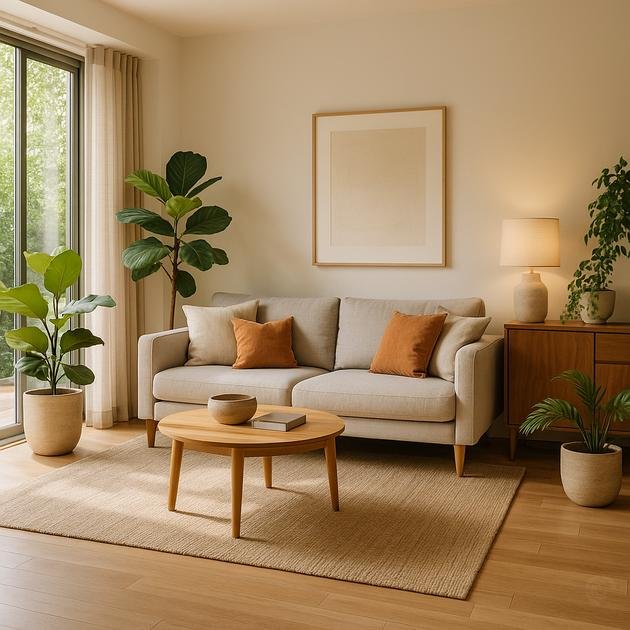
Mixing textures, prints and frames adds depth while keeping the nursery calm. Start with a dominant texture—a woven wall hanging or wood frame—then layer softer prints and matte finishes around it.
Palette and print choice
Keep colors muted and related to your room palette. Use one or two print styles (watercolor florals, simple animal illustrations) and repeat a color or tone to tie everything together. Avoid high-contrast patterns near the crib to reduce visual stimulation.
Balance scale and spacing
- Combine large, low-contrast pieces with small, detailed prints to create focal points.
- Use the 60-30-10 rule: main neutral, secondary tones, small accent pops in art.
- Leave breathing room between frames; crowded walls look busy, not layered.
Frame and material tips
Mix frame textures—light wood, matte metal, and painted frames—for interest. Prefer shatterproof acrylic over glass near the crib. Choose non-toxic paints and finishes for any custom frames or DIY art.
Arrangement and testing
Lay compositions on the floor first or use paper templates on the wall. Arrange frames so the lowest edge sits at a comfortable eye level for adults, and keep delicate pieces away from direct reach. Anchor heavier pieces with proper wall anchors and secure fasteners.
Quick checklist
- Repeat a color or texture for cohesion.
- Mix three types of elements: print, texture, and frame finish.
- Prefer soft contrasts near the crib; add bolder accents in play or reading areas.
- Use safe, secure hanging hardware and non-toxic materials.
Arranging art on the nursery wall like a pro
Start by choosing a central or anchor piece to guide the layout. Place the largest frame first, then arrange smaller pieces around it to create a cohesive group.
Plan your layout
Lay frames on the floor or use paper templates on the wall to test arrangements. Aim for a simple shape—rectangle, square, or gentle cluster—so the eye can rest.
Hanging height and alignment
Hang the center of the arrangement at about 57–60 inches from the floor for adult eye level. If placing art over a crib or changing table, keep the lowest edge at least 12–18 inches above the furniture top to avoid crowding.
Spacing and balance
- Keep even spacing between frames, typically 2–4 inches for gallery groups.
- Mix sizes but repeat a color or frame style to unify the collection.
- Use negative space—empty areas help the arrangement feel calm and not busy.
Symmetry vs. asymmetry
Symmetrical grids feel tidy and calm. Asymmetrical clusters can feel organic and playful. Choose one approach and stick to it for a polished look.
Tools and safe hanging
- Use a ruler, level, pencil, and painter’s tape or paper templates.
- Prefer wall anchors or toggle bolts for heavy frames; use picture hooks rated for the weight.
- Replace glass with shatterproof acrylic near the crib and secure frames with safety straps.
Final checks
Step back and view the wall from different angles and at child height. Adjust spacing or swap pieces until the group reads as a single, soothing composition.
Sourcing and creating budget-friendly, safe pieces
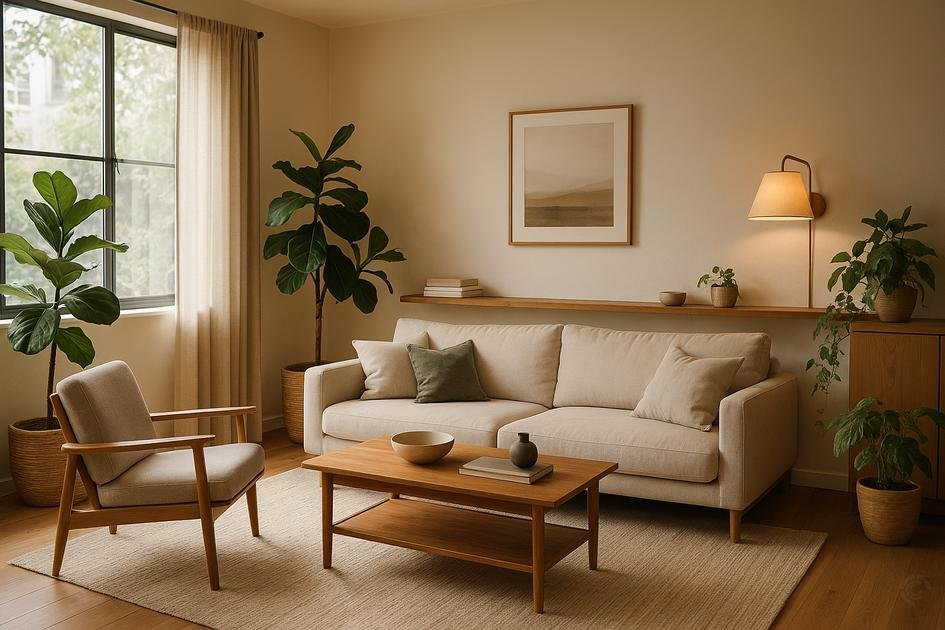
Find affordable, stylish art by mixing budget buys with a few intentional pieces. Start with printable or small prints, then upgrade frames or add a single handmade focal item to keep costs low.
Where to source budget pieces
- Thrift stores and flea markets for unique frames and vintage prints.
- Online marketplaces and print shops for inexpensive downloadable art and poster prints.
- Local artists and craft fairs—you can often commission small works at reasonable prices.
Simple DIY upgrades
- Swap mats to change the look of cheap prints and make them feel custom.
- Refresh thrift frames with non-toxic paint or sand and stain wood frames for a warm finish.
- Create easy prints with watercolor washes or simple shape stamps on heavy paper for an original touch.
Safety and practical choices
Choose shatterproof acrylic instead of glass near the crib and avoid frames with small detachable parts. Use wall anchors rated for the weight and secure frames with safety straps. Pick paints and finishes labeled non-toxic and look for low-VOC options.
Budget checklist
- Repeat one affordable element (prints or frames) for cohesion.
- Use neutral mats to make prints read as higher-end.
- Test placement with paper templates before hanging.
- Secure heavy pieces with anchors and remove small choking hazards from reachable areas.