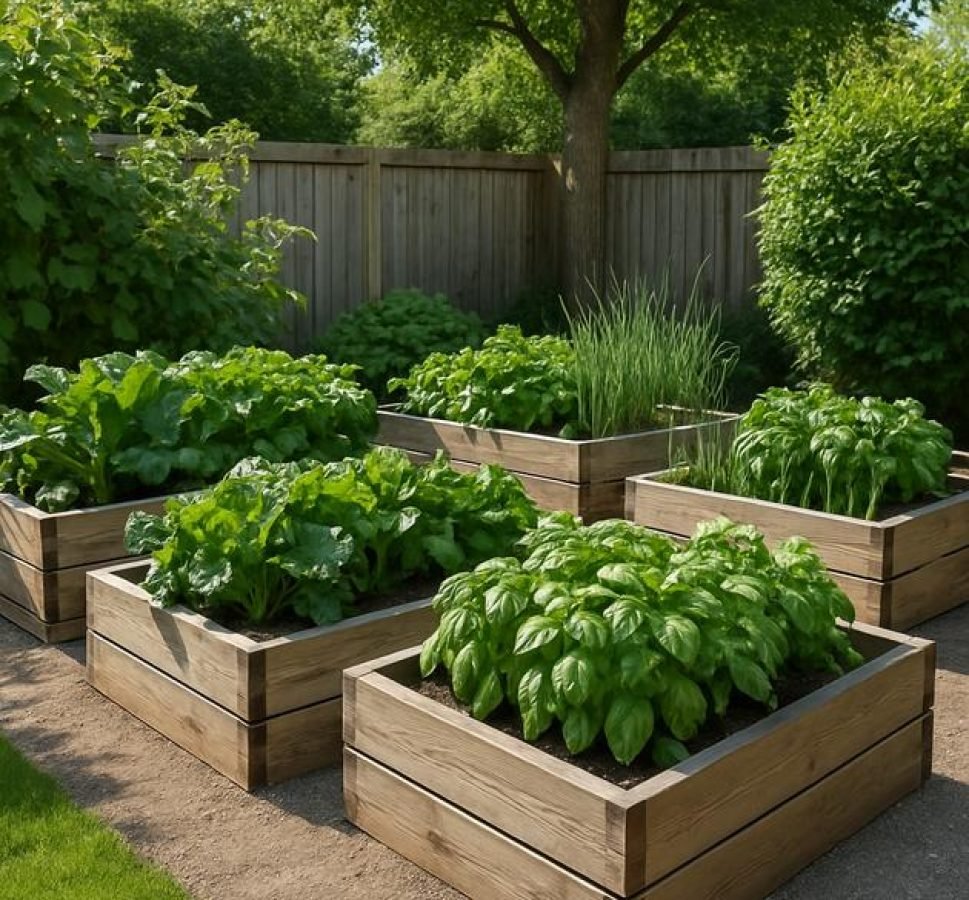
raised beds schedule; is your blueprint to plan, plant, and time garden tasks so harvests become predictable and less stressful. Whether you’re new to raised beds or refining a routine, this guide offers practical steps you can apply this season.
Planning your raised beds schedule
Planning your raised beds schedule keeps gardening organized by aligning planting windows, watering routines, and harvest timings across the season.
Evaluate sun, water, and soil for each bed
Assess how much sun each bed receives, where irrigation is easiest, and soil condition. Document improvements you need to make, such as amending soil or improving drainage.
Group crops by season and rotation
Place cool-season crops in early spring and fall, warm-season crops in midsummer. Rotate families to maintain soil health and reduce pests.
Build a simple task calendar
List essential tasks: soil prep, sowing, transplanting, weeding, mulching, feeding, and harvest. Assign each task to a rough week range and adjust as needed. Consistency is key for steady progress.
Monitor and adapt
Track outcomes and weather impacts; tweak the schedule based on what worked well. Keep a light notebook or digital note to inform next season’s plan.
Choosing materials and spacing
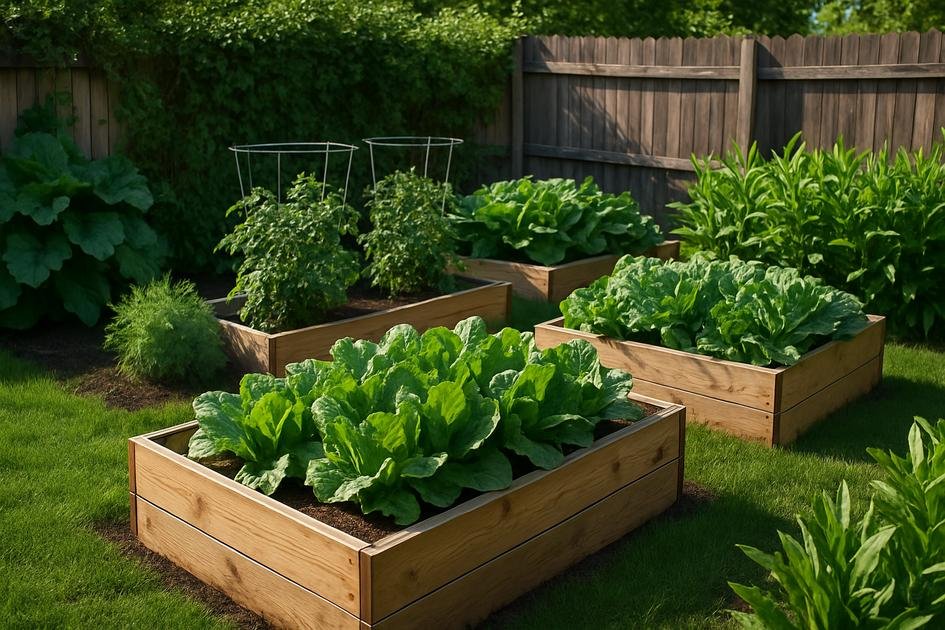
Choosing materials and spacing is essential to create durable beds and optimize growing space.
Materials to consider
When selecting materials, evaluate durability, cost, and safety. Options include cedar or redwood wood, recycled composite, metal, brick, or concrete blocks. Avoid toxic treatments near soil and consider how long the material will last in your climate. Longevity and soil containment matter for long-term productivity.
Spacing guidelines
Aim for a reach-friendly bed width (typically 3 feet or 90 cm) to avoid stepping on soil. Plan bed lengths that fit your space and leave clean paths at least 24 inches wide for accessibility. Leave room between beds for air movement and maintenance. Depth affects root growth; most beds benefit from 12–18 inches of soil, with deeper beds for root crops.
Practical setup tips
Prepare a level base, ensure proper drainage, and seal any joints to prevent pests. Consider drainage improvements like sand layers or perforated tubing where needed. Reuse or repurpose materials when possible to reduce waste.
Maintenance considerations
Regularly inspect for wobble, rot, or shifting boards and reseal or replace as needed. Keep soil healthy with compost and balanced nutrients to support steady yields.
Seasonal timing and crop rotation
Seasonal timing and crop rotation helps gardeners optimize harvests and keep soil healthy across the year.
Seasonal timing and planning
Know your frost dates and plan planting windows for cool-season and warm-season crops. Use succession planting to fill gaps and keep beds productive throughout the year.
Crop rotation basics
Group crops by family to protect soil and reduce pests. For example, keep nightshades separate from legumes and brassicas. Move each family to a new bed each season to balance nutrients and break pest cycles. A simple three-year rotation keeps things straightforward.
Creating a practical calendar
Draft a year calendar with rough timelines for sowing, transplanting, and harvesting. Mark bed assignments and note when to plant cover crops during fall and winter to enrich soil.
Flexibility matters; expect occasional shifts and adjust as needed to optimize yields.
Maintenance tips and troubleshooting
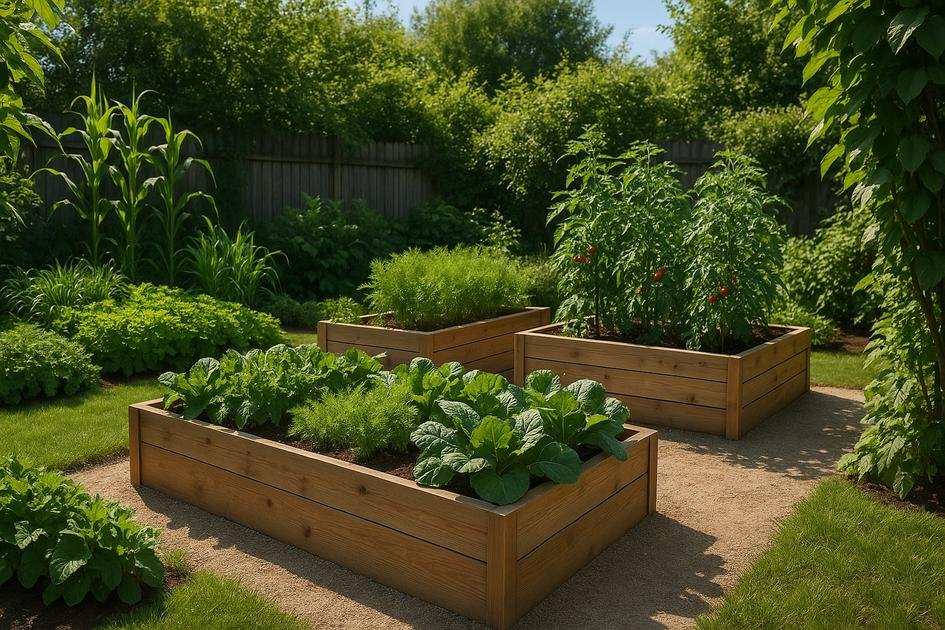
Maintenance tips and troubleshooting keep your raised beds productive by preventing common issues and extending bed life.
\n
Regular inspection and quick repairs
\n
Establish a monthly routine to check for wobbling frames, loose fasteners, rot, and drainage problems. Tighten hardware, replace damaged boards, and seal joints to protect against moisture.
\n
Soil health and compost management
\n
Top up with high-quality compost, mulch to retain moisture, and monitor soil structure. Healthy soil supports steady yields and reduces weed pressure.
\n
Water management and drainage
\n
Ensure proper drainage and avoid waterlogging after heavy rains. Consider adding a sand layer or perforated pipes in soaked areas and implement a simple irrigation plan to deliver even moisture.
\n
Pest and disease prevention
\n
Keep beds clean and free of debris; rotate crops and use physical barriers like row covers. Remove infected plants promptly to prevent spread and monitor for signs of pests.
\n
Troubleshooting common symptoms
\n
If leaves yellow, check moisture and nutrient availability. If harvest is low, assess soil compaction, drainage, and crop rotation. Use targeted amendments and adjust watering to restore balance.