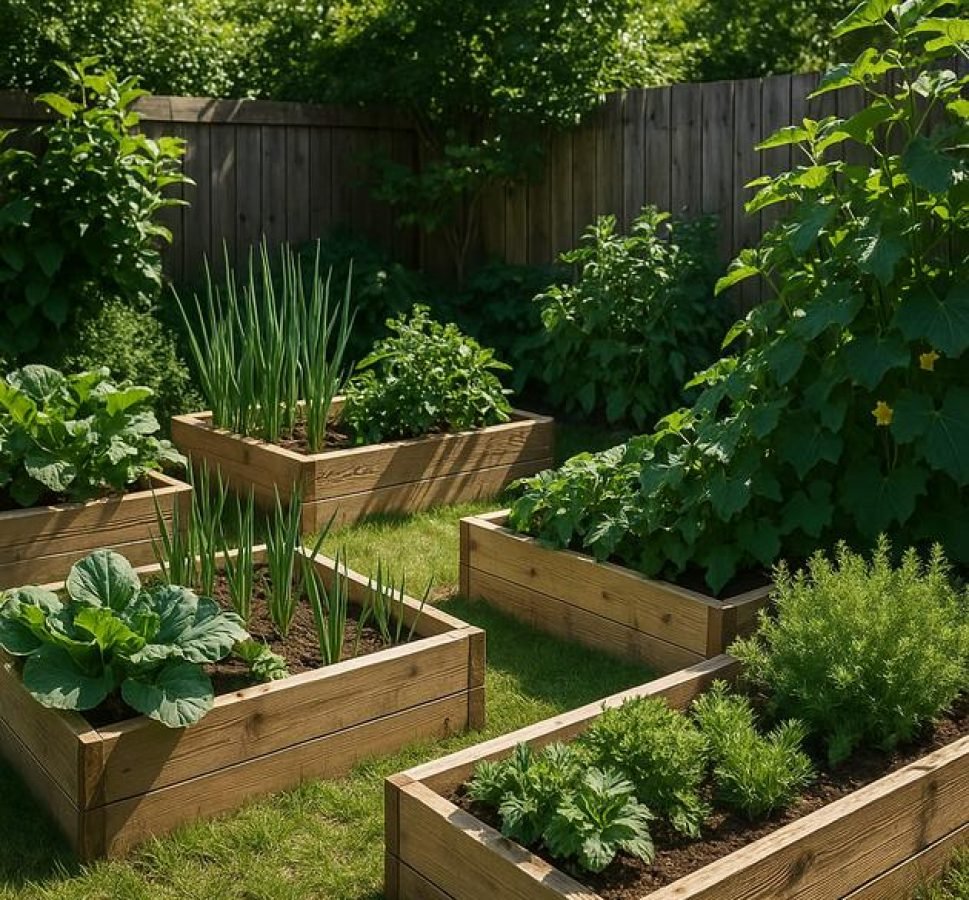
For beginners, raised beds for beginners; this guide walks you through simple steps to plan, prep soil, and start growing with confidence. Ready to turn a balcony or small yard into a productive garden?
Choosing the right raised bed setup
Choosing the right raised bed setup starts with your space, climate, and budget. Think about what you want to grow and how much you will maintain. A layout that fits your yard or balcony sets you up for success.
Bed materials and frame options
Wood frames, especially cedar or redwood, resist rot and look good in gardens. If you are unsure about safety with treated wood, line the inside or use alternative materials. Concrete blocks and metal frames offer durability and a modern look, while plastic or fabric beds can be budget-friendly and lightweight. Consider longevity versus ease of assembly based on your needs.
Size, shape, and layout
Keep beds within reach to reduce stepping into the soil. A width of 1 meter (about 3 feet) is common for easy maintenance. For long beds, plan paths on both sides and consider a modular layout that lets you expand later. Rectangular beds maximize planting space, while L-shaped or tiered designs can fit irregular spaces.
Soil depth and mix A good raised bed setup helps you grow more with less effort. For most vegetables, aim for at least 6-12 inches of soil depth. Use a balanced mix of garden soil, compost, and a drainage amendment like perlite or vermiculite to improve drainage and nutrients. Layer compost on top for quick feeding and mulch paths to minimize weeds and retain moisture.
Soil, compost, and amendments explained
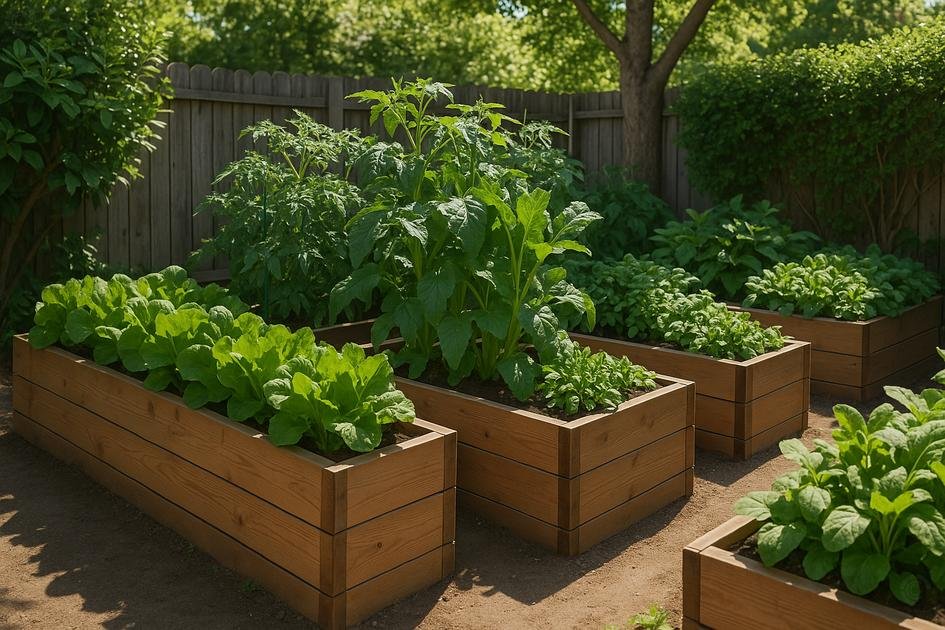
Soil health starts with understanding what makes soil good for plants. Soil, compost, and amendments explained help you build a fertile base in raised beds.
Soil basics for raised beds
Healthy soil has a balance of minerals, organic matter, air, and water. Texture affects drainage and root growth. A loamy mix often works well for most vegetables.
Compost and organic matter
Compost enriches soil with nutrients and beneficial microbes. Apply a thin layer (about 2-3 cm or 1 inch) as a top dressing or mix it into the top 6-8 inches of soil. Avoid overloading with compost; it can reduce air and water movement if excessive.
Soil amendments and when to use them
Amendments like perlite or vermiculite help drainage and air in the soil. Lime or sulfur can adjust pH. Add amendments based on a simple soil test or your plants’ clues. Pale leaves can mean low nitrogen. Poor drainage can improve with more organic matter and drainage materials.
Tip: keep a simple garden log to track what you add and how plants respond.
Easy crops and planting tips for beginners
Choosing easy crops for beginners helps you see quick results and stay motivated in a small garden. Start with crops that tolerate a range of soils and watering habits to build confidence.
Best beginner crops
Lettuce and other greens grow fast in cool weather and need little space. Sow in succession to keep harvests coming.
Radishes mature quickly, often in about 25 days, making them perfect for new gardeners. Plant in shallow rows and thin as they grow.
Spinach is forgiving and can thrive in partial shade; keep the soil consistently moist.
Beans (bush varieties) fix nitrogen and provide reliable harvest with minimal support. Plant after frost danger and space properly.
Herbs like basil, cilantro, and chives are easy in containers or beds and add flavor fast.
Planting tips for beginners
Sow seeds at the recommended depth and water gently to avoid washing them away. Use a light mulch to conserve moisture and reduce weeds.
Maintenance basics
Thin crowded seedlings, water regularly, and monitor for pests. Rotate crops each season to maintain soil health and reduce disease risk.
Maintenance, watering, and season extension basics
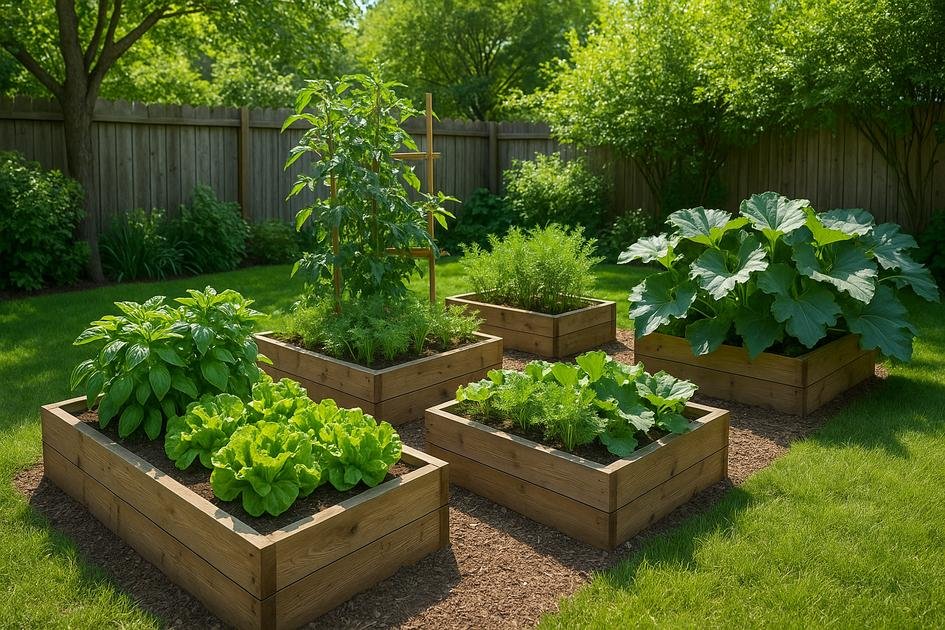
Maintenance, watering, and season extension basics help keep raised beds productive across changing weather. Regular care supports soil health, plant vigor, and steady harvests.
Weekly maintenance routine
Check for pests and diseases, remove weeds, and prune as needed. Inspect trellises and supports, tidy edges, and record what works in a simple log. Consistent upkeep prevents small problems from becoming big ones.
Watering strategies for efficiency
Water deeply at the base of plants to reach the roots, rather than overhead watering. Water in the morning to reduce evaporation and fungal issues. Use mulch to conserve moisture and a drip irrigation system or soaker hoses to target the roots and save water.
Season extension techniques
Protect early and late-season crops with row covers, cloches, or cold frames to trap heat. Use light-colored rows to reflect sun and keep soil warm. Choose crops suited to shorter seasons and stagger plantings to maximize the growing window.
Keep a simple schedule and adjust based on weather signals, such as soil moisture and forecast changes.