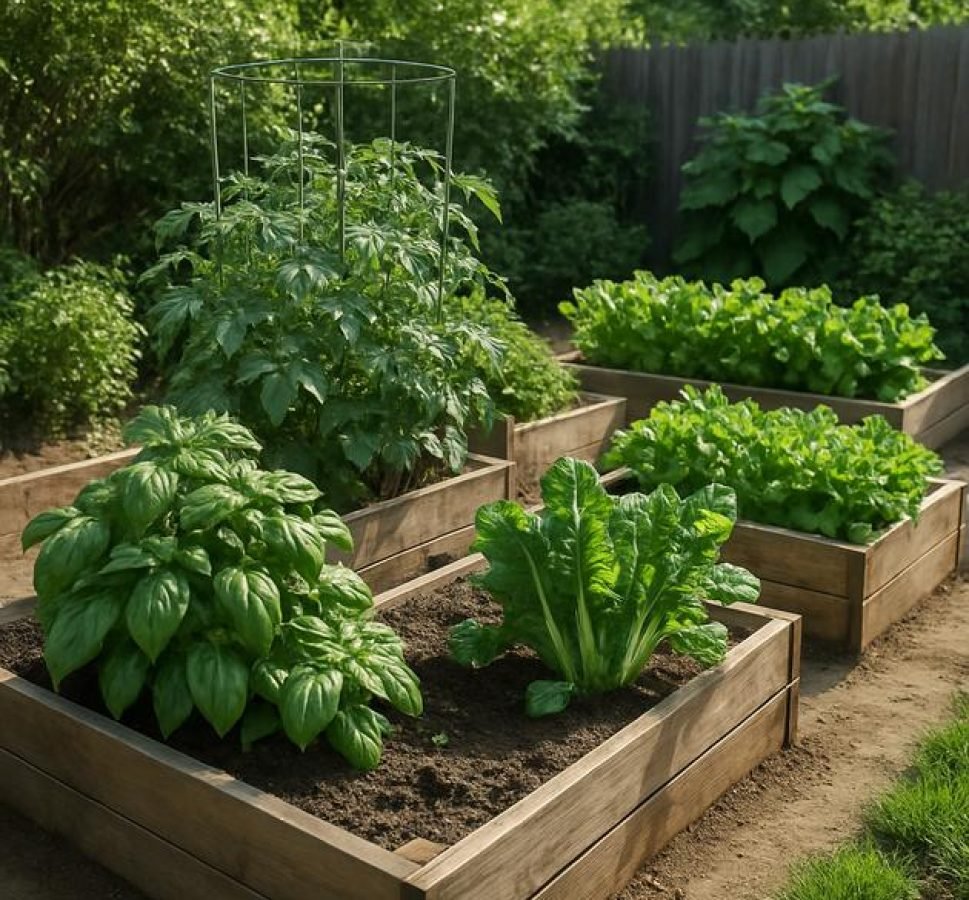
propagation tips can transform how you grow, letting you expand your garden without buying more plants. In this article, we’ll walk through practical monthly steps, with real-world examples from my balcony garden to help you apply what you learn.
Understanding propagation basics and why monthly timing matters
Propagation is the process of creating new plants from existing ones. This simple technique helps you grow more plants without buying more stock. Understanding the basics gives you a solid start for success.
What are the main propagation methods?
Common methods include cuttings, layering, and division. Cuttings root from stems or leaves; layering encourages roots while the plant stays attached; division splits a clump into several plants. Some plants also grow well from seeds, but germination times vary.
Why monthly timing matters
Plants grow in monthly cycles shaped by light, warmth, and moisture. Following monthly cues helps rooting succeed and keeps plants from getting stressed. Start with a clean cut in the right rooting window, provide stable humidity, and water as roots appear.
Practical starter tips
Set up a tidy workspace with sharp, clean tools. Use rooting hormone for cuttings when appropriate. Keep cuttings in bright, indirect light and steady humidity. Label each sample and track progress to see what works over time.
Monthly calendar: what to do in each propagation phase
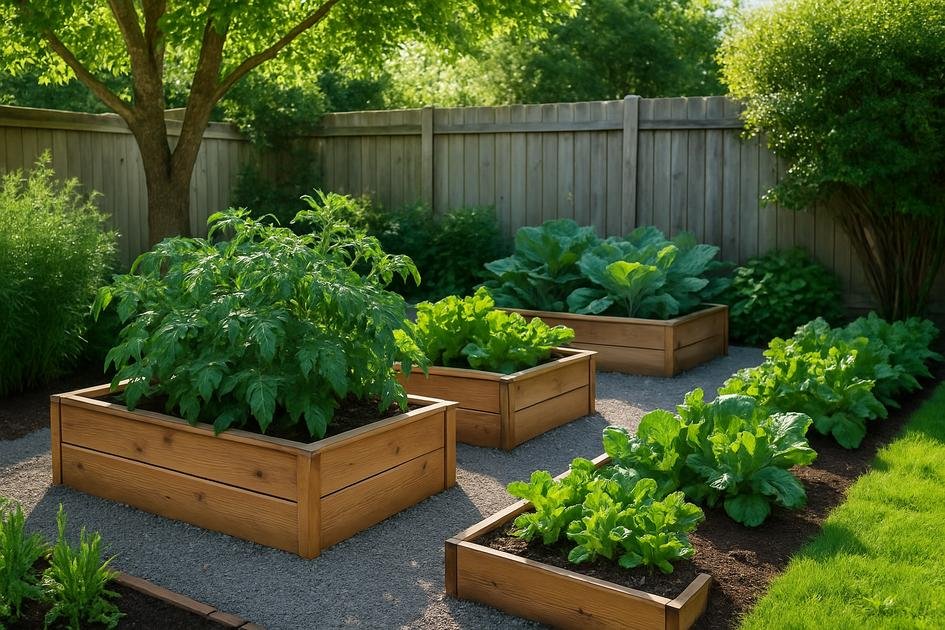
Understanding the propagation calendar helps you plan the right actions at the right time. A clear monthly timeline reduces stress and improves success rates.
Phase 1 — Preparation and selection
Choose healthy stock and select appropriate propagation methods for your plants. Gather tools, clean containers, and labeling supplies. Start with a handful of promising cuttings or divisions to test rooting conditions.
Phase 2 — Rooting and establishment
Keep cuttings and divisions in supportive conditions: humidity control, bright but indirect light, and steady moisture. Check for root development every week and avoid overwatering. Label each sample to track outcomes.
Phase 3 — Growth and early care
As new roots form, gradually introduce more light and switch to a potting mix that suits the plant. Transplant with care to larger pots if needed, watching for signs of stress such as wilting.
Phase 4 — Hardening off and transfer
When shoots are established, start hardening them off if outdoors by gradually exposing to outdoor conditions. Continue monitoring humidity and temperature, prune lightly to encourage sturdy stems, and prepare for final transplant into garden or larger pots.
Choosing the right propagation method for different plants
Choosing the right propagation method depends on plant type, root system, and growing conditions. The right method helps ensure healthy rooting and successful new plants.
Plant type matters
Woody shrubs often root best with layering or tip cuttings; herbs and leafy houseplants typically respond well to softwood or semi-hardwood cuttings; perennials may be divided to rejuvenate and spread.
Common methods by plant type
Cuttings are versatile for many houseplants and herbs. Use softwood for herbs and semi-hardwood for many houseplants. Keep cuttings in bright light and humidity until roots form.
Layering works well for vines and some shrubs. Keep the stem attached to the parent plant while it forms roots, then detach when ready.
Division is ideal for clump-forming perennials and grasses. Gently separate the sections and replant with fresh soil.
Seeds are worth considering for annuals and some perennials; they require patience but can expand your collection at low cost.
Practical quick-start guide
Start with one method per plant group and record results. Label each pot and track rooting times. Maintain humidity and stable indirect light. Avoid overwatering and exposing cuttings to direct sun too soon.
Common pitfalls to avoid
Don’t mix methods for a single plant species unless you have experience. Avoid using low-quality rooting hormone or dirty tools, which can hinder rooting and invite disease.
Setting up a simple, repeatable routine to track progress
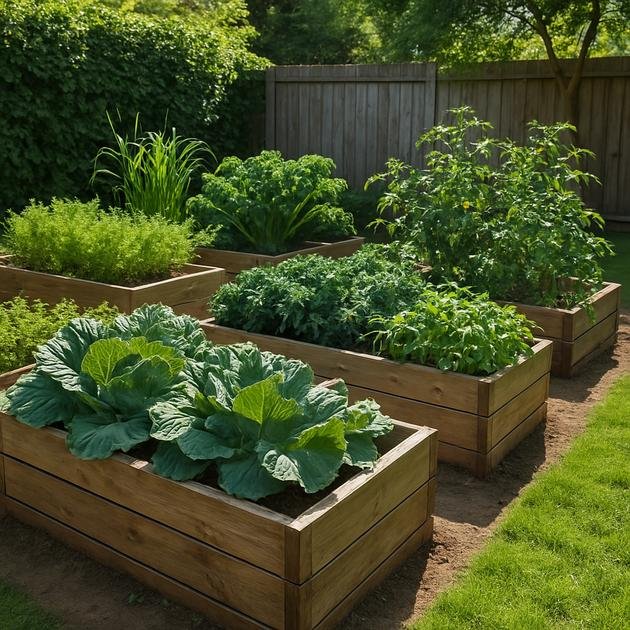
Setting up a simple, repeatable routine helps you track progress without guesswork. A small daily or weekly ritual keeps you informed and confident about how your cuttings are doing.
Define what to track
Key indicators include rooting status, root length, top growth, and overall plant vigor. Also record moisture levels, light exposure, and temperature so patterns stand out over time.
Create a lightweight calendar and checklist
Use a monthly checklist with a few clear tasks: water, inspect, label, and photograph. A simple notebook or spreadsheet works well. Keep entries brief and consistent to avoid confusion.
Record data consistently
Label each sample with date and method. Take photos from the same angle and distance, then log updates in the same place. Consistent data makes trends easier to spot.
Review and adjust
Set a regular time to review results, compare samples, and adjust conditions or methods. Small improvements add up, keeping you motivated as you see progress over time.