In this beginner-friendly guide, propagation for beginners; you’ll learn simple, practical steps to start multiplying plants at home. We’ll explore easy methods, common pitfalls, and tips that help you grow confident in your gardening journey.
What is propagation for beginners
propagation for beginners is the process of creating new plants from existing ones using simple, low-cost methods you can try at home. It lets you multiply your favorites, experiment with plant care, and learn how roots form.
\n
Common propagation methods for beginners
\n
The easiest methods include cuttings and layering. With cuttings, you take a healthy stem, remove lower leaves, dip the cut end in rooting hormone, plant in moist soil or water, and wait for roots to develop. Layering involves bending a flexible stem to the soil, covering a section with soil until it forms roots, then severing it to become a new plant.
\n
Choosing plants that propagate well
\n
Some plants are known for reliable propagation, such as succulents, herbs like basil, and many houseplants such as pothos or mint. Start with species that root easily and recover quickly from minor mistakes.
\n
Essential tools and setup
\n
Prepare simple supplies: clean scissors or pruning shears, a container with fresh water or well-draining soil, and a tray with humidity if needed. Use proper sanitation to prevent disease, and keep cuttings away from direct harsh sun until roots form.
\n
What to watch for and common mistakes
\n
Keep cuttings consistently moist but not soggy, and avoid overhandling them. If roots fail to form, reassess light, moisture, and temperature. Remember that patience is part of the process; some plants take longer to root than others.
\n
Quick-start plan
\n
- \n
- Choose 2-3 beginner-friendly plants with easy root formation.
- Prepare clean tools and containers, and keep a moisture check routine.
- Document rooting progress with simple notes to adjust light and humidity.
\n
\n
\n
Choosing the right plants to propagate
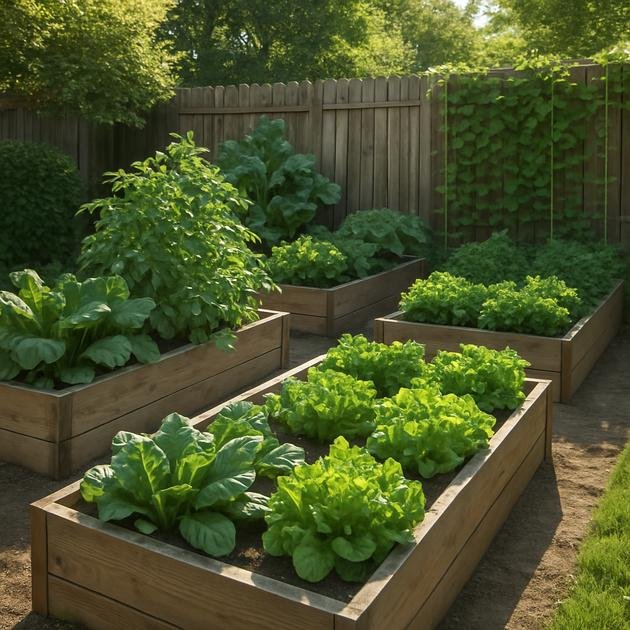
Choosing the right plants to propagate helps you get reliable roots and healthy new plants. Start with easy species that root well.
\n
Beginner-friendly options
\n
Plants that are forgiving include succulents, basil, and common houseplants like pothos or spider plant. They often root with minimal effort and show results in a few weeks.
\n
Key traits to look for
\n
- \n
- Stems that are sturdy but not woody
- Healthy, non-yellow leaves
- Active new growth and clear signs of vigor
- Species that root easily from cuttings or air layering
\n
\n
\n
\n
\n
How to evaluate a plant before propagating
\n
Choose stems with recent growth, inspect for pests or disease, and pick 2–3 cuttings per plant to test rooting. Keep tools clean to avoid contamination.
Step-by-step basics: from cutting to roots
Step-by-step basics: from cutting to roots outlines the practical sequence to propagate plants, focusing on simple techniques and clear milestones.
\n
Selecting a healthy cutting
\n
Choose a healthy shoot with several leaves and a recent growth tip. Remove lower leaves to prevent rot, leaving a few at the top for energy. Use clean scissors to reduce disease risk.
\n
Preparing the cutting and rooting medium
\n
Dip the cut end in rooting hormone if available, then place in moist soil or water. Keep the medium evenly moist and provide indirect light and stable warmth to encourage root formation.
\n
Monitoring root development
\n
Check for new root growth every few days. If roots appear, slowly acclimate the cutting to a more robust environment. Avoid overwatering, which can cause rot.
\n
Transplanting after rooting
\n
Once roots are visible, transplant into a larger pot with well-draining soil. Continue to provide light and consistent moisture until the plant establishes.
Common mistakes and how to avoid them
Common mistakes and how to avoid them highlight typical errors beginners make when propagating and practical fixes to keep cuttings healthy and rooted.
\n
Overwatering and rot
\n
Keep the rooting medium evenly moist, not soggy. Ensure containers have drainage and adjust watering as roots develop. Check moisture before watering.
\n
Poor sanitation
\n
Use clean tools and containers to prevent disease. Dirty blades or shared equipment can spread fungi and bacteria to cuttings.
\n
Wrong cuttings or timing
\n
Select healthy, flexible shoots with active growth. Avoid woody, damaged, or diseased material. Take cuttings when growth is strong for best rooting results.
\n
Insufficient light
\n
Provide bright, indirect light. Too little light slows rooting, while direct sun can stress cuttings. Position near a well-lit area or use a gentle artificial light source.
\n
Inconsistent moisture or temperature
\n
Maintain steady moisture and warmth. Fluctuations slow rooting; consider a humidity dome and away-from-drafts placement to stabilize conditions.
\n
Neglecting to monitor root development
\n
Inspect roots every few days. If roots don’t appear after several weeks, reassess light, moisture, and temperature, and consider adjusting media or using rooting hormone.
\n
Practical prevention tips
\n
- \n
- Label each cutting and track its progress
- Keep a simple moisture and light routine
- Start with 2–3 beginner-friendly plants to practice
\n
\n
\n
\n
About visualizing the process
\n
Based on the content above, imagine a cohesive scene showing healthy cuttings rooted in both soil and water, a clean workspace with labeled pots, a humidity dome, and careful tool handling to convey best practices.