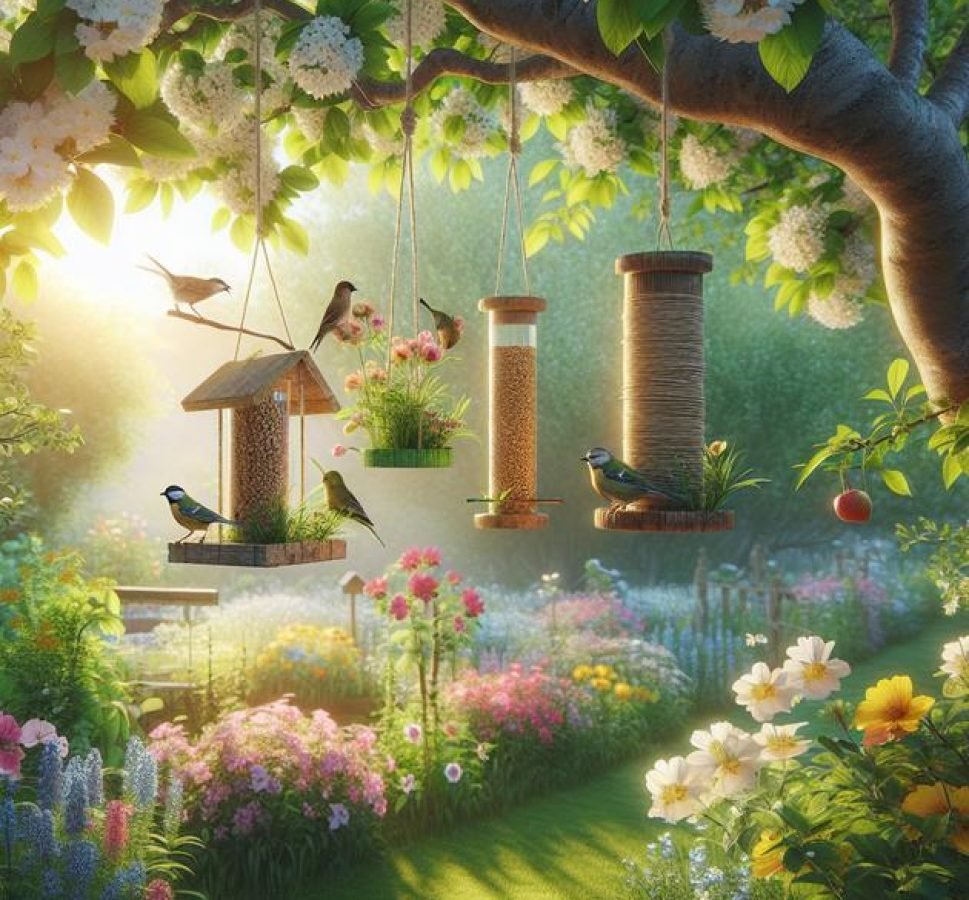
DIY bird feeders made from natural materials like pine cones, wood, and peanut butter provide safe, eco-friendly ways to attract and support local birds year-round while enhancing your outdoor space.
Have you ever thought about crafting diy bird feeders using what’s naturally around you? It’s a simple, enjoyable way to attract birds to your backyard and connect with nature, no fancy tools needed.
why choose natural materials for bird feeders
Using natural materials for bird feeders offers several benefits for both the environment and the birds. These materials, like wood, pine cones, and seeds, are biodegradable, which means they won’t harm nature when disposed of. They also blend seamlessly into outdoor settings, making feeders less disturbing for birds.
Natural materials tend to be safer since they don’t contain harmful chemicals or plastics that can be dangerous to wildlife. Additionally, many of these items are readily available in your backyard or local parks, making the project cost-effective and sustainable.
Eco-friendly impact
Choosing natural substances reduces waste and pollution. Unlike plastic feeders, which can degrade slowly and pollute soil or water, natural feeders return to the earth harmlessly. This supports healthier habitats and cleaner ecosystems around your home.
Attracting local birds naturally
Birds are more likely to approach feeders made from materials similar to their environment. Wood and plant-based feeders can also be customized with natural food like seeds and nuts, which birds prefer. This creates a more comfortable and familiar feeding spot, encouraging greater bird activity.
With natural materials, you can easily repair or update feeders without buying new plastic ones. This long-lasting and friendly approach makes bird feeding a rewarding hobby that respects the planet.
essential materials you can find at home
Many essential materials for making DIY bird feeders can be found right at home or in your garden. Wooden spoons, empty toilet paper rolls, pine cones, and twine are common items that serve as great bases for feeders. You can also use natural seeds such as sunflower seeds, millet, or cracked corn as bird food.
Other household items like old teacups, plastic bottles, or cereal boxes can be repurposed creatively, but when focusing on natural materials, items like sticks, dried fruit, and peanut butter are popular choices to attract birds.
Common household materials
- Pine cones: Easy to find outdoors, they provide a natural, textured surface for spreading peanut butter and rolling in birdseed.
- Wood scraps: Untreated wood pieces can be crafted into sturdy feeders or platforms.
- Twine or string: Useful for hanging feeders securely from branches.
Finding seeds and food
Seeds stored for baking or bird food bags from pet stores can work well. Peanut butter acts as an adhesive for seeds on pine cones or other surfaces.
Looking around your environment before buying materials helps keep your project cost-effective and eco-friendly.
step-by-step guide to making a simple seed feeder
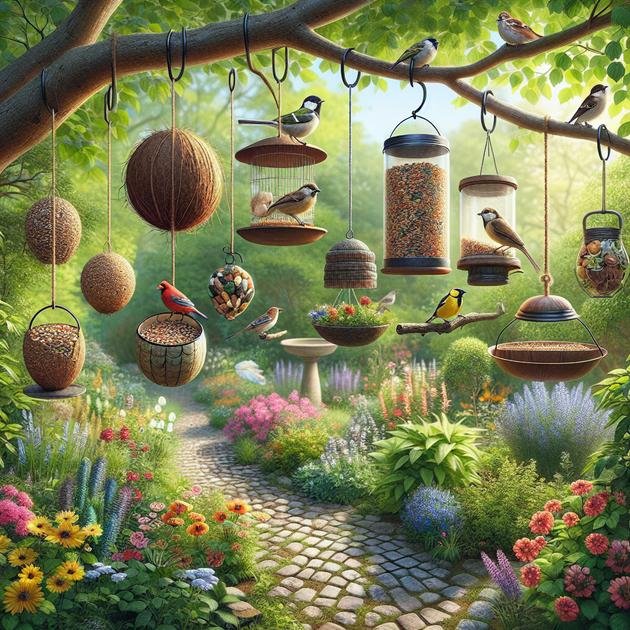
Start your simple seed feeder by gathering basic supplies: a clean empty toilet paper roll, peanut butter, birdseed, and string. First, spread a thick layer of peanut butter evenly around the outside of the empty roll. This sticky surface will help the birdseed stick securely.
Next, pour birdseed onto a plate and roll the peanut butter-covered tube in the seeds until well coated. Be sure to cover all sides so birds have plenty of food.
Attaching the string
Thread a piece of string through the tube and tie the ends together to create a loop. This loop allows you to easily hang the feeder from a tree branch.
Placing your feeder
Choose a spot visible from your window but safe from predators. Hang the feeder on a sturdy branch, preferably near bushes or trees to provide shelter for visiting birds.
This simple project requires no special tools and offers a fun way to invite birds to your outdoor space while using natural ingredients.
creative ways to use pine cones and peanut butter
Pine cones make a perfect natural base for bird feeders. Start by finding a fresh pine cone with open scales, which makes it easier for seeds to stick. Spread a thick layer of peanut butter all over the pine cone’s surface.
Once coated, roll the pine cone in a plate filled with birdseed, pressing gently to make sure the seeds stick well. You can even add dried fruits or nuts to attract a variety of bird species.
Hanging your pine cone feeder
Thread a piece of natural twine or string through the top of the pine cone and tie a secure knot. Hang it from tree branches where birds can easily access it but are safe from predators.
This simple method uses everyday natural materials to create an effective feeder that birds love. It’s also a great way to reuse pine cones collected from your yard.
tips for hanging and positioning your feeders
Choosing the right place to hang your bird feeders affects how often birds visit and their safety. Aim to hang feeders in areas that offer protection from predators, like near bushes or trees. This provides birds with quick escape routes and shelter.
Position feeders at least 5 to 6 feet off the ground to avoid cats and other ground predators. Also, place them away from windows or use window decals to prevent bird collisions.
Avoiding harsh weather
Try to locate feeders where they are shielded from strong winds and heavy rain. A spot with partial shade helps prevent birdseed from spoiling quickly due to heat.
Visibility and accessibility
Hang feeders where you can easily see and refill them, such as near a porch or window. This makes it easier to monitor bird activity and keep feeders clean.
Regular rotation of feeder spots can encourage different bird species to visit and reduce overcrowding. Use sturdy hooks or branches to ensure your feeders hang securely without tipping.
how to clean and maintain bird feeders naturally
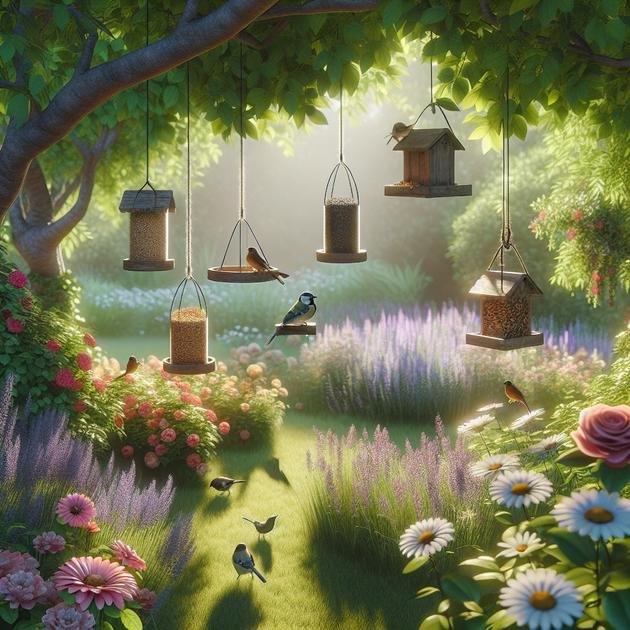
Cleaning and maintaining bird feeders regularly helps keep birds healthy and encourages them to visit often. Use a simple natural solution by mixing one part white vinegar with four parts water. This mixture effectively kills bacteria and mold without harsh chemicals.
Remove leftover seeds and debris before soaking the feeder in the vinegar solution for about 15 minutes. Use a brush to scrub all surfaces gently but thoroughly. Rinse well with clean water and allow the feeder to dry completely before refilling.
Routine maintenance tips
- Inspect feeders weekly for damage, mold, or clogs that may harm birds.
- Replace worn-out parts like strings or hooks to ensure feeders hang securely.
- Avoid using soap or detergent that can leave harmful residues.
Keeping feeders clean with natural methods not only protects wildlife but also extends the life of your DIY bird feeders made from natural materials.
common mistakes to avoid when making feeders
Avoid using treated or painted wood as these chemicals can harm birds. Always opt for untreated, natural materials to keep your feeders safe and organic.
Using inappropriate food is another common mistake. Avoid bread or salty snacks; instead, feed birds with seeds like sunflower or millet that are healthy and preferred by most species.
Placing feeders too close to windows
This can lead to bird collisions. Give your feeders some distance or use bird-safe window decals to reduce this risk.
Failing to clean feeders regularly can cause mold growth and spread diseases among birds. Maintain a strict cleaning routine using natural solutions.
Ignoring weather protection
Placing feeders in exposed spots may cause food to spoil quickly. Choose shaded areas protected from heavy rain and strong wind.
Overlooking secure hanging methods can result in feeders falling or swinging excessively, scaring away birds. Use sturdy hooks or strong twine to keep feeders stable.
encouraging local birdlife with seasonal feeding
Seasonal feeding helps support local birdlife throughout the year by providing food when natural sources are scarce. In winter, offer high-energy seeds like sunflower and safflower that help birds stay warm and active.
Spring and summer feeding can include fruits, mealworms, or nectar to attract a wider variety of species such as hummingbirds and orioles. Adjust your feeding methods to the needs of birds during each season.
Spring and summer tips
Keep feeders clean and stocked to support nesting and raising young birds. Avoid molds and spoiled food by refreshing daily in warmer months.
Fall and winter tips
Focus on calorie-rich foods to help birds maintain body heat. Position feeders near natural shelters to protect birds from cold winds.
By changing your feeding routine according to the seasons, you create a welcoming environment that encourages birds to visit your yard year-round, fostering a healthy and diverse local ecosystem.
Wrapping Up Your DIY Bird Feeder Journey
Creating bird feeders from natural materials is an easy and rewarding way to invite wildlife into your backyard. It not only helps local birds but also supports a healthier environment.
By choosing the right materials, positioning feeders carefully, and maintaining them naturally, you ensure a safe and welcoming spot for birds to visit year-round.
Remember, seasonal feeding and avoiding common mistakes will make your bird feeders more effective and enjoyable. Enjoy watching the vibrant birdlife flourish from your own handmade creations.