irrigation tips; are your first step toward a healthier garden. In this guide, you’ll learn practical routines, timely checks, and simple fixes that save water and boost plant vitality.
understanding soil moisture and plant needs
Understanding soil moisture and plant needs helps you water accurately and boost plant health. Proper moisture supports root growth, nutrient uptake, and resilience to heat.
Check soil moisture accurately
Use a soil moisture meter or the simple finger test. Insert a probe or finger 2-3 inches deep. If the soil feels dry at that depth, water. If it stays damp, wait. A useful rule is to aim for soil that feels like a wrung-out sponge at the root zone.
Recognize different plant needs
Not all plants drink the same. Vegetables, perennials, and shrubs have distinct needs. Group plants with similar water demands together to simplify irrigation and avoid overwatering.
Conserving water while keeping plants healthy
Mulch helps retain moisture and reduces evaporation. Drip irrigation or soaker hoses deliver water directly to roots with less waste. Water early in the day when possible to maximize absorption and reduce disease risk.
Avoid common mistakes
Signs of overwatering include yellow leaves, a soft stem, or a compact, waterlogged feel in the soil. Under-watering appears as wilted leaves or dull color. Regular checks guide better decisions rather than a fixed schedule.
seasonal irrigation schedules and triggers
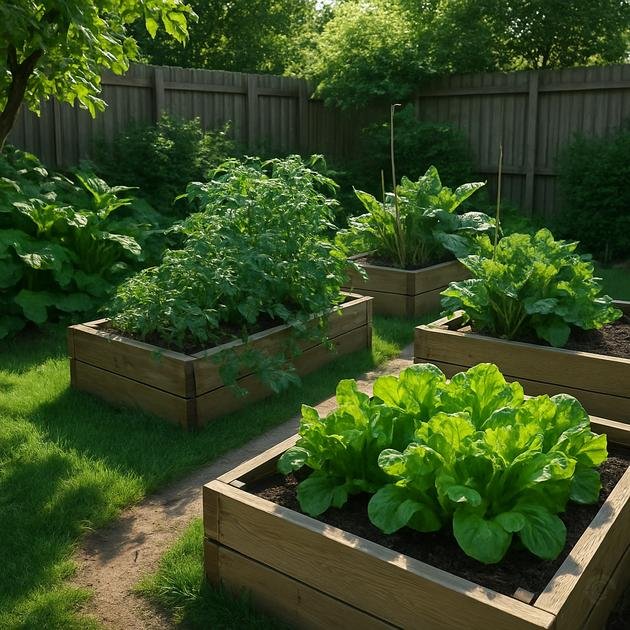
Seasonal irrigation schedules and triggers help you tailor watering to weather, plant needs, and soil conditions. Following a seasonal plan reduces waste while keeping landscapes healthy.
Spring adjustments
As days warm, monitor rainfall and soil moisture. Shift from deep, infrequent waterings to more frequent, lighter applications to support new growth. Use rainfall triggers: if significant rain occurs, skip a cycle. Soil moisture targets should remain moist but not soggy.
Summer strategies
High evaporation demands more water. Schedule early in the morning, extend watering depth, and consider drip irrigation with mulch to conserve moisture. Use weather-based controllers or ET data to guide timing.
Fall taper and winter patience
Reduce frequency as temperatures fall and growth slows. In cold climates, pause irrigation to prevent root rot; in milder zones, maintain a light schedule to keep evergreens hydrated. Monitor rainfall to avoid overwatering.
Triggers to watch
Soil moisture levels, recent rainfall, forecast heat waves, and plant stage all guide decisions. Use a soil moisture sensor to stay on track, and adjust based on plant response.
Practical setup tips
Group plants with similar needs, create zones, and use mulch and drip lines to maximize efficiency. Regularly inspect components for leaks or clogs.
efficient watering techniques and setups
Efficient watering techniques and setups help you conserve water while keeping plants healthy. By combining smart tools and practical habits, you can reduce waste and improve garden vigor.
Drip irrigation and mulch synergy
Drip irrigation delivers water directly to the root zones, minimizing evaporation. Pair it with a layer of mulch to further reduce surface drying and keep the soil cooler.
Zoning and scheduling
Divide your landscape into zones with similar water needs. Use weather-based controllers or soil-based triggers to adjust irrigation, making cycles shorter but more frequent when heat rises.
Soil moisture and sensors
A soil moisture sensor helps verify that each zone receives the right amount of water, preventing overwatering and underwatering.
Maintenance and checks
Regularly inspect emitters, tubing, and filters for clogs. Clean or replace components as needed to maintain efficiency and prevent leaks.
common mistakes and achievable fixes
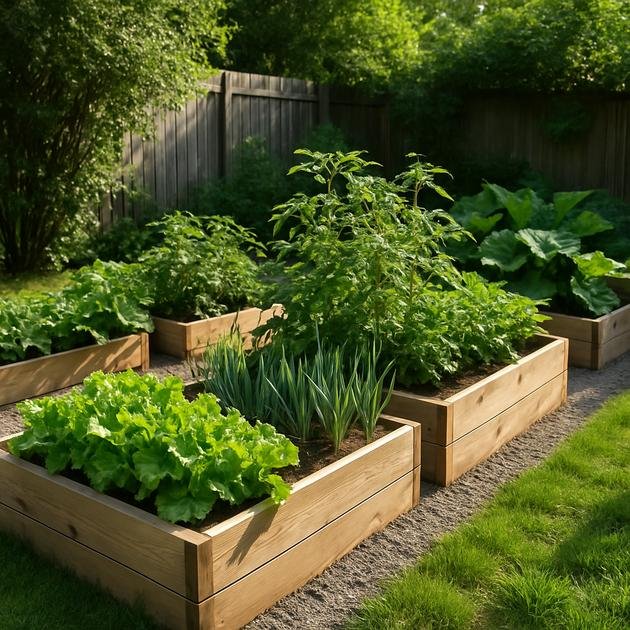
Common irrigation mistakes waste water and stress plants. Identifying and correcting these issues can save water and keep landscapes healthy.
Common mistakes
Overwatering is the most frequent error: signs include yellowing leaves, a soggy surface, or a compact soil feel after watering. Relying on a fixed schedule, ignoring weather, or not adjusting for rainfall leads to waste and disease risk. Underwatering also harms plants, causing wilting and dull colors even when soil seems moist.
Achievable fixes
Make practical changes: adjust irrigation frequency based on soil moisture and weather, mulch to reduce evaporation, and drip irrigation with properly placed emitters to water the root zone. Install a soil moisture sensor in representative zones to guide watering. Regularly inspect for leaks, clogged emitters, and damaged components. Water in the morning to maximize absorption and minimize disease risk. Start with a small zone and expand as you confirm improvements.