Reduce plastic bathroom waste by choosing reusable, refillable, and biodegradable products, properly recycling plastics, and supporting eco-friendly brands with sustainable packaging.
Ever thought about how much plastic ends up in your bathroom? Reduce plastic bathroom habits not only help the planet but also bring a fresher, less cluttered feel to your space. Let’s explore easy ways you can start making a difference today.
why reducing plastic in the bathroom matters
Plastic waste in bathrooms contributes significantly to environmental pollution. Many products, like shampoo bottles, toothbrushes, and packaging, are made from single-use plastics that often end up in landfills or oceans. Reducing plastic in your bathroom helps lower your ecological footprint and protects marine life from harmful plastics.
Bathrooms are often overlooked when it comes to sustainability, yet they are a major source of plastic waste. Switching to alternatives made from glass, metal, or biodegradable materials cuts down on plastic consumption. This also encourages manufacturers to develop eco-friendlier packaging.
Besides environmental benefits, reducing plastic can improve your bathroom’s aesthetic and quality of air. Many plastic items release chemicals over time, while natural materials offer a more pleasant, less toxic environment.
Impact on the environment and health
Plastic pollution harms ecosystems by breaking down into microplastics, which enter food chains and water supplies. Choosing products with minimal or no plastic reduces this risk and promotes a healthier planet. It’s a small lifestyle change with a big impact.
easy swaps for plastic-free personal care products
Switching to plastic-free personal care products is easier than you might think. Start by choosing bamboo toothbrushes instead of plastic ones. Bamboo is biodegradable and just as effective for daily use.
Another simple swap is to use bar shampoo and conditioner instead of bottled liquid versions. These bars usually come with minimal or no packaging, reducing plastic waste significantly. They are also travel-friendly and last longer.
Consider replacing plastic razors with safety razors or ones that use recyclable metal blades. This change can drastically cut down single-use plastic in your bathroom routine.
Zero-waste deodorants and toothpaste
Look for deodorants packed in cardboard tubes or reusable containers. Some brands offer refill options so you can keep using the same container without adding plastic waste.
For toothpaste, try tooth powders or tablets that come in glass jars or compostable packaging. These alternatives perform just as well as traditional toothpaste but with a lighter environmental impact.
Making these simple swaps gradually can transform your bathroom into a plastic-free zone while keeping your personal care routine fresh and effective.
how to choose sustainable packaging and containers
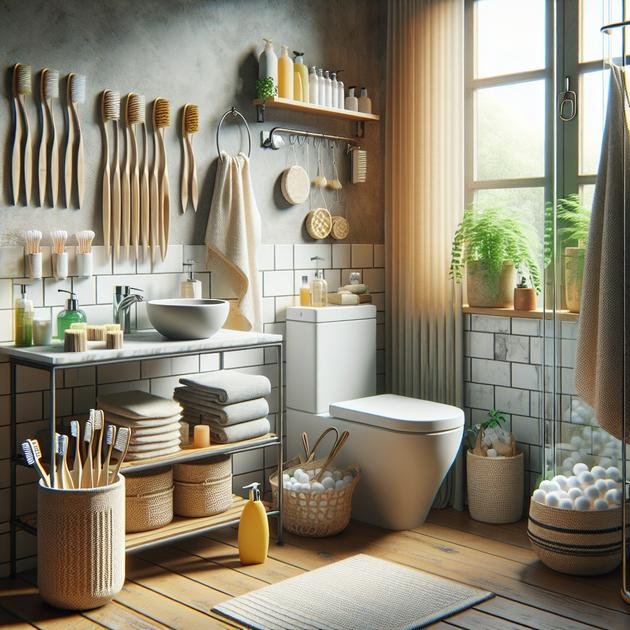
Choosing sustainable packaging and containers starts with understanding the materials used. Opt for glass, metal, or biodegradable plastics, which break down more easily and have less impact on the environment than traditional plastic.
Look for products packaged in recyclable containers. Glass jars and metal tins are excellent choices because they can be reused or recycled multiple times without losing quality.
Check for certifications and labels
Certifications such as FSC (Forest Stewardship Council) for paper products or labels indicating compostability can help you identify truly sustainable packaging. These marks ensure the materials come from responsible sources or meet environmental standards.
Refillable containers are another smart option. Brands offering refills help reduce waste by letting you reuse the same bottle or jar, cutting demand for new plastic.
Minimalist packaging that avoids excess plastic layers, wraps, or non-recyclable mixed materials reduces waste and simplifies recycling processes.
Finally, support companies that are transparent about their sustainability efforts. Many brands share details about their packaging choices and environmental goals, making it easier to select responsible products.
tips for reducing single-use plastics in your bathroom
Reducing single-use plastics in your bathroom starts with recognizing common items that are typically discarded after one use. Items like plastic razors, cotton swabs, and packaging for wipes often contribute to unnecessary waste.
Switch to reusable alternatives such as metal or safety razors that use replaceable blades. These last longer and reduce plastic disposal significantly.
Reusable and refillable options
Use washable cotton pads or bamboo swabs as substitutes for plastic cotton swabs. For products like soap and shampoo, choose bars or refillable bottles instead of single-use plastic packaging.
Buying in bulk and refilling your containers reduces the number of plastic bottles purchased over time. Many stores now offer refill stations for shampoo, conditioner, and body wash.
Properly recycling plastic containers that you do still use helps keep plastics out of landfills and oceans. Educate yourself on local recycling guidelines to ensure materials are disposed of correctly.
By making small changes like these, you can significantly cut down on single-use plastic in your bathroom routine.
making your own bathroom products at home
Making your own bathroom products at home is a great way to reduce plastic waste and control the ingredients in what you use daily. Simple recipes for items like soap, shampoo, and deodorant can be made with natural ingredients found in most kitchens.
A popular DIY project is creating soaps using coconut oil, olive oil, and essential oils. These ingredients provide cleansing and moisturizing benefits without harmful chemicals or plastic packaging.
Homemade shampoo and conditioners
You can make shampoo using ingredients like baking soda and apple cider vinegar. These are effective for cleaning hair gently and can be stored in reusable containers, cutting down on plastic use.
Natural deodorants can be crafted with baking soda, coconut oil, and shea butter. These homemade products provide odor protection without the plastic tubes used in commercial options.
Environmental and health benefits include fewer chemicals entering your home and less packaging waste. Plus, these projects are often cost-effective and customizable to your preferences.
Starting with simple recipes allows you to experiment with scents and textures while moving towards a plastic-free bathroom routine.
organizing a plastic-free bathroom routine

Organizing a plastic-free bathroom routine means setting up your space with sustainable and reusable products. Start by replacing plastic containers with glass jars, metal tins, or bamboo holders. These materials last longer and add a natural look to your bathroom.
Keep essentials like toothbrushes, soap bars, and cotton pads within easy reach using small baskets made from natural fibers such as wicker or cotton. This helps reduce clutter and emphasizes eco-friendly choices.
Establish refill and reuse practices
Label your refillable containers clearly to avoid confusion and make it simple to restock products from bulk supplies. Using pump dispensers or refillable bottles reduces the need to buy new plastic packaging.
Prepare a cleaning caddy with plastic-free cleaning products in recyclable or reusable containers. This keeps your bathroom tidy and supports your goal to avoid single-use plastics.
Consistent routine habits like rinsing and drying reusable items properly extend their lifespan and maintain a clean, pleasant bathroom environment without relying on plastic disposables.
Design your bathroom storage with sustainability in mind by choosing modular shelves or organizers that fit your space and support plastic-free living.
recycling and disposing of bathroom plastics properly
Proper recycling and disposal of bathroom plastics are crucial to minimize environmental harm. Many plastic containers, like shampoo bottles and toothpaste tubes, can be recycled if cleaned and sorted correctly. Understanding local recycling rules ensures these materials don’t end up in landfills or oceans.
Check the recycling symbols on your bathroom products. Plastics labeled with numbers 1 and 2 are widely accepted in most recycling programs. If uncertain, contact your local waste management facility for guidance.
Preparing plastics for recycling
Before recycling, rinse out containers to remove residue. Remove caps and pumps if required, as they often need to be recycled separately. Flatten plastic bottles to save space in recycling bins.
For plastics that aren’t recyclable in your area, explore alternative solutions like participating in mail-back programs or recycling initiatives by certain brands.
Proper disposal also involves preventing contamination in recycling streams. Avoid mixing non-recyclable items with recyclables to improve efficiency and support the recycling process.
Taking the time to sort and prepare your bathroom plastics correctly helps close the loop on plastic waste and supports a healthier planet.
inspiring eco-friendly bathroom brands and products
Many brands today focus on creating eco-friendly bathroom products that help reduce plastic waste and promote sustainability. These companies use biodegradable materials, refillable packaging, and natural ingredients to minimize environmental impact.
Brands like Ethique and Lush offer shampoo and conditioner bars with zero plastic packaging. These bars last longer than liquid alternatives and contain fewer chemicals.
Innovative packaging and product designs
Companies such as Plaine Products provide refillable bottles made from aluminum, allowing you to reuse containers instead of discarding them. This approach dramatically cuts down single-use plastic.
Other brands focus on biodegradable toothbrushes made from bamboo or recycled materials, which break down naturally after disposal.
Supporting small and local brands often means investing in handmade, natural goods that come with minimal packaging. Shopping from these brands encourages sustainable practices and community growth.
Choosing products from environmentally responsible companies helps you build a plastic-free bathroom routine while supporting innovation in sustainability.
Final thoughts on reducing plastic in your bathroom
Reducing plastic in your bathroom may seem challenging, but small changes add up quickly. By choosing sustainable products, organizing your routine, and properly disposing of plastics, you make a positive impact on the environment.
Switching to eco-friendly brands and trying DIY products can also make your bathroom greener and healthier. These efforts help protect the planet and create a cleaner, more natural space at home.
Start with simple steps today, and you’ll soon see how easy it is to live with less plastic every day.