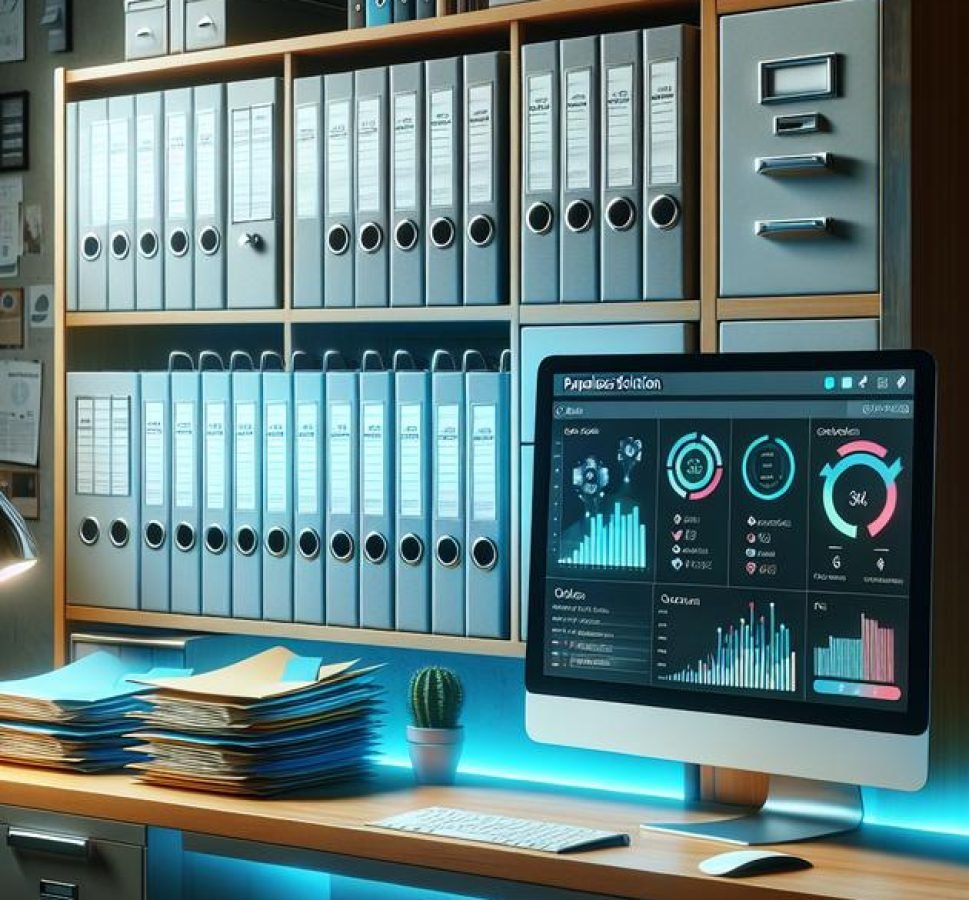
Paper clutter solutions involve daily sorting habits, effective categorizing, digital tools, and recycling strategies to permanently eliminate paper buildup and maintain organization.
Have you ever felt overwhelmed by piles of paper everywhere? Paper clutter solutions might be the key to freeing your space and sanity. Let’s explore easy ways to tame that chaos, step by step.
understanding the root causes of paper clutter
Understanding why paper clutter piles up is the first step to tackling it effectively. Many times, paper clutter comes from unorganized mail, outdated documents, or keeping items “just in case.” These habits create stacks of unread bills, receipts, and papers that quickly overwhelm any space.
Common sources of paper clutter
Mail and junk mail often flood your inbox daily, while old schoolwork, manuals, and magazines add to the mess. Without a system in place, these papers pile up and make it hard to find what you truly need.
The psychological reasons behind holding on to paper
People may fear losing important information or feel guilty about throwing away receipts or notes, leading to unnecessary hoarding. Recognizing this mindset helps in developing better habits.
Identifying your triggers—such as procrastination or lack of time to sort papers—is essential. By acknowledging these causes, you can implement specific strategies tailored to reduce clutter effectively.
simple daily habits to reduce paper accumulation
Developing simple daily habits is crucial to prevent paper from piling up. Start by sorting mail the moment you bring it inside. Toss junk mail directly into recycling bins to avoid unnecessary buildup.
Set aside time to handle papers
Spend 10-15 minutes each day reviewing, organizing, or discarding papers. This routine prevents stacks from growing and keeps your space manageable.
Use designated spots
Create specific areas for bills, important documents, and to-do papers. Having a place for each type of paper makes it easy to file or act on them quickly.
Go digital when possible by signing up for electronic bills and statements. This reduces physical mail and streamlines your organization. Regularly scan and save necessary documents instead of keeping hard copies.
By turning these tasks into habits, you maintain control over your paper flow and dramatically reduce clutter in your home or office.
effective sorting and categorizing methods

Sorting and categorizing papers effectively can transform a chaotic space into an organized haven. Begin by grouping papers into clear categories like bills, receipts, documents, and personal notes. Use labeled folders or trays to keep each type separate.
Use color-coded systems
Color coding folders or labels helps quickly identify and retrieve documents. For example, red folders for urgent bills, blue for tax documents, and green for personal papers.
Implement a filing system
Choose between alphabetical, chronological, or subject-based filing depending on what fits your needs best. Consistency is key to maintaining order.
Shred or recycle unnecessary papers promptly to reduce clutter. Keep only essential documents and digitize when possible to minimize physical storage.
Regularly review and update your system to adapt as your paper flow changes. This method reduces overwhelm and creates a streamlined paper management process.
best tools and apps to go paperless
Going paperless is easier with the right tools and apps designed to organize and digitize documents efficiently. Apps like Evernote and Microsoft OneNote let you scan, store, and search notes and receipts from your phone or computer.
Top scanning apps
Apps such as CamScanner and Adobe Scan transform your smartphone camera into a high-quality scanner. They automatically crop and enhance documents for clear digital copies.
Cloud storage options
Services like Google Drive, Dropbox, and iCloud provide secure storage and easy access to your files from any device. Organize folders logically for quick retrieval.
Digital signature tools like DocuSign and Adobe Acrobat Reader allow you to sign documents electronically, eliminating the need for printing and scanning paper forms.
Using these apps reduces physical clutter and helps you stay organized while protecting important documents with backups.
tips to maintain an organized paper system
Maintaining an organized paper system requires consistency and simple routines. Designate a daily or weekly time to sort and file new papers that come in. This habit helps keep your space clutter-free.
Use labeled folders and binders
Clearly label folders or binders by category such as “bills,” “receipts,” or “important documents.” This makes it easy to locate papers quickly whenever needed.
Keep only what you need
Regularly review your paper files and remove outdated or unnecessary items. Shredding sensitive documents is important to protect your privacy.
Set limits to how much paper you keep physically. For example, keep only the last year’s tax documents unless older ones are needed for special reasons.
Have a dedicated spot like a filing cabinet or drawer that’s always ready for incoming papers. Staying consistent with these habits ensures your paper system remains orderly and manageable.
how to recycle and responsibly dispose of excess paper
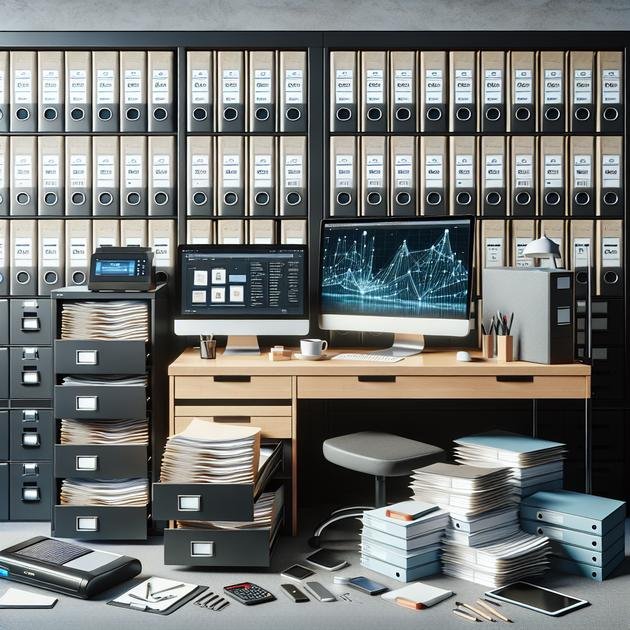
Recycling and disposing of excess paper responsibly helps reduce waste and protects the environment. Start by separating recyclable paper like newspapers, magazines, and office paper from non-recyclable items such as glossy paper or receipts.
Use shredders for sensitive documents
Before recycling, shred any paper with personal information to protect your privacy. Many communities offer shredding events or facilities for safe disposal.
Check local recycling guidelines
Different areas have specific rules on what types of paper are accepted. Familiarize yourself with these to ensure you recycle correctly and avoid contamination.
For papers that can’t be recycled, consider composting if they are free from inks or coatings. Otherwise, dispose of them according to local waste management rules.
Reduce future waste by opting for digital documents and unsubscribing from unwanted mail. This lowers the volume of paper you need to recycle or dispose of.
creating a customized paper management plan
Creating a customized paper management plan helps you control and reduce clutter based on your specific needs. Start by assessing the types and volumes of paper you regularly handle at home or work.
Set clear goals
Decide what you want to achieve—whether it’s less clutter, faster document retrieval, or more digital storage. Clear goals guide your plan’s priorities.
Design a system that fits your lifestyle
Choose organizational methods that work for you, like filing cabinets, binders, or digital apps. Flexibility and simplicity increase the chances of long-term success.
Schedule regular review sessions to update your system, discard outdated documents, and adjust as needed. Incorporate daily or weekly habits to keep up with new papers.
Including digital conversion tools and recycling practices in your plan ensures a comprehensive approach that minimizes waste while enhancing organization.
long-term benefits of eliminating paper clutter
Eliminating paper clutter offers many long-term benefits that improve both your space and well-being. A clean environment leads to reduced stress and better focus, making everyday tasks easier and more enjoyable.
Improved productivity
Without piles of paper in your way, you can find important documents quickly and spend less time searching. This saves valuable time for more meaningful work or relaxation.
Cost savings and sustainability
Going paper-free or minimizing printouts reduces expenses on paper, ink, and storage supplies. Plus, it helps protect the environment by lowering waste and promoting recycling.
Better organization translates into fewer missed deadlines and better financial management, keeping your life running smoothly.
Long-lasting habits gained through managing paper clutter often lead to improved habits in other areas, like digital organization and time management, further enhancing your lifestyle.
Take Control of Your Paper Clutter Today
Clearing paper clutter can seem overwhelming, but with the right steps and consistent habits, you can create a lasting organized space. Small changes, like sorting daily and using digital tools, add up to big results.
By understanding your paper flow and using personalized systems, you protect your time, reduce stress, and help the environment. Remember, the benefits of a clutter-free life go beyond just tidiness—they improve your productivity and peace of mind.
Start implementing these paper clutter solutions now, and enjoy a more organized, focused, and calm environment every day.