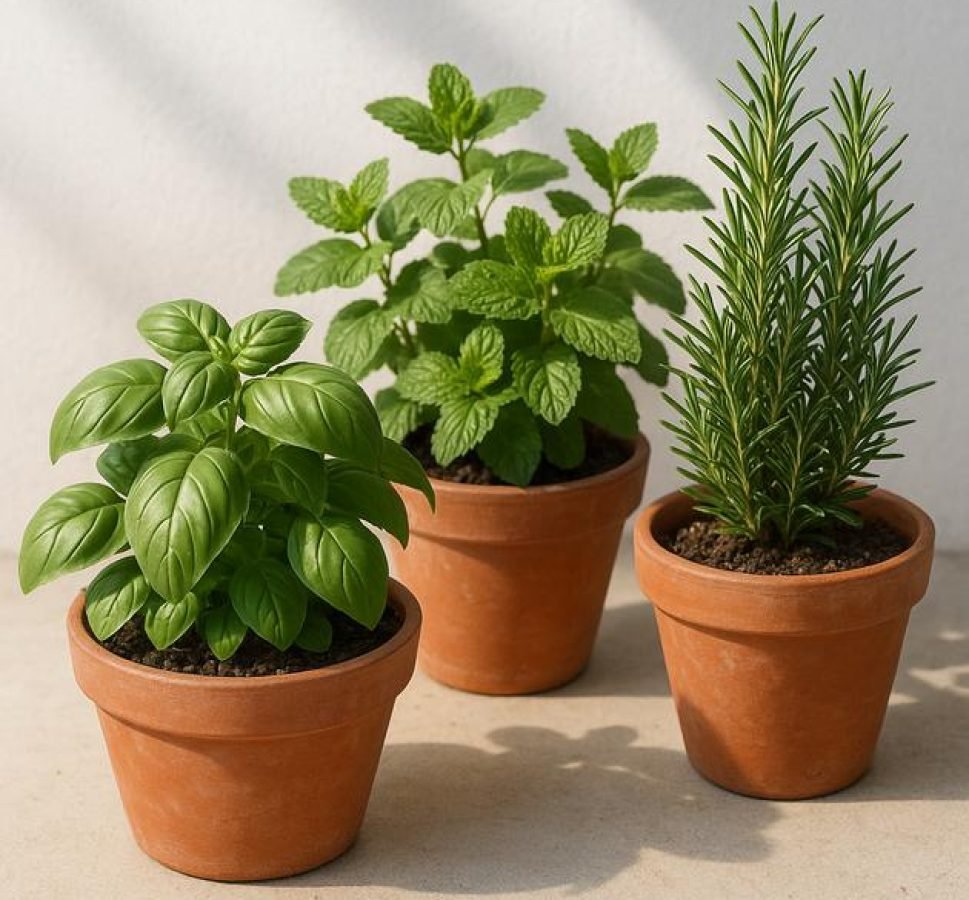
herb garden tips can transform a simple windowsill into a fresh, fragrant pantry. In this guide, I’ll share practical steps that demystify growing herbs at home, from choices to harvest, so you can enjoy flavorful, homegrown greens without the guesswork. Which herbs fit your space and routine the best?
Choosing the right herbs for beginners
Choosing the right herbs starts with your cooking needs and your growing space. herb garden tips for beginners emphasize selecting herbs that you’ll use often and can care for with minimal effort.
Recommended herbs for beginners
- Basil — thrives in bright light and frequent picking keeps it bushy.
- Parsley — forgiving and versatile in soups, salads, and sauces.
- Chives — easy to grow in small pots and adds a mild onion flavor.
- Mint — vigorous grower; plant in a separate pot to control spread.
- Thyme — drought-tolerant and flavorful with little maintenance.
Light, space, and containers matter. If you have a sunny windowsill, a few small pots can cover your daily herb needs. For darker spaces, consider compact varieties and a small grow light to supplement natural light.
Soil, water, and basic care
Use well-draining potting mix and water when the top inch of soil feels dry. Avoid overwatering and ensure pots have drainage holes. Fertilize lightly with a balanced mix every 4–6 weeks during active growth.
From fresh herbs to flavor-packed meals, keeping them within reach makes cooking more enjoyable and reduces waste. Use herb garden tips as a quick reminder to water, trim, and rotate plants for even growth.
Setting up a small herb garden (indoor or balcony)
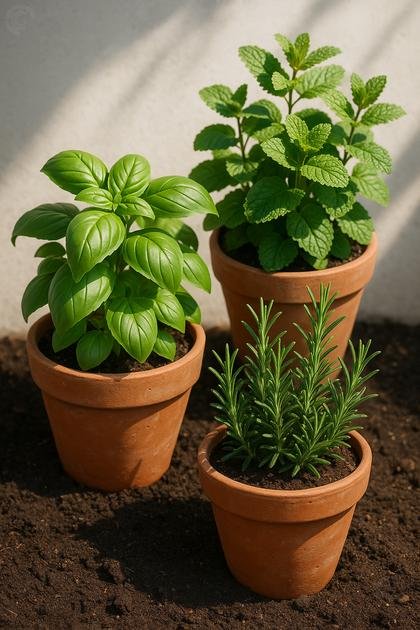
Setting up a small herb garden indoors or on a balcony is a simple project that can brighten your meals and space. herb garden tips for small areas focus on light, containers, and easy-care herbs.
Pick the right spot
Look for a bright area that gets at least 4-6 hours of light daily. A sunny window is ideal; if light is limited, add a small grow light or set plants near a bright lamp.
Containers and soil
Choose shallow pots with drainage holes and a lightweight, well-draining potting mix. Group pots to save space and keep a tidy herb corner. Drainage helps prevent soggy roots.
Watering and care
Water when the top inch of soil feels dry. Avoid overwatering and let excess water drain away. Rotate plants every few weeks for even growth.
Herbs to start with
Try forgiving varieties such as basil, parsley, chives, and thyme. Mint can be grown in a separate pot to control spread.
Keep your setup lightweight and adjustable to suit your space.
Soil, water, and light: a simple care routine
Maintaining healthy herbs hinges on three basics: soil, water, and light. A simple care routine helps your plants thrive with minimal effort.
Soil matters
Use a light, well-draining potting mix. A mix labeled for herbs or vegetables works well. Avoid heavy garden soil that can compact around roots. Ensure pots have drainage holes to prevent soggy roots.
Watering correctly
Water when the top inch of soil feels dry to the touch. Water deeply until you see a bit of runoff, then let excess drain away. In warm rooms, check more often; in cool spaces, less.
Light for growth
Most culinary herbs prefer bright light. Place pots on a sunny windowsill or under a grow light for 6-8 hours daily. If light is limited, choose shade-tolerant herbs like parsley or mint.
Keep a regular routine, rotate pots for even growth, and trim regularly to encourage bushy new growth.
Harvesting and storing herbs for best flavor
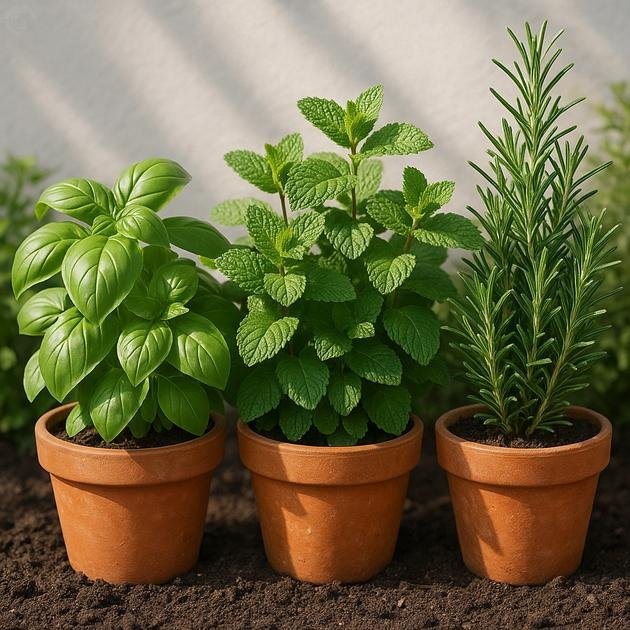
Harvesting and storing herbs at peak flavor is a practical skill for any kitchen. herb garden tips focus on timing, handling, and proper storage to keep herbs fresh longer.
Harvest at the right moment
Pick herbs just before they flower for the strongest aroma. Use clean scissors to snip stems, taking only what you’ll use to avoid stressing the plant. For perennials like thyme or rosemary, clip from the outer growth to encourage new shoots.
Cutting and handling
Handle gently to prevent bruising. Rinse only when necessary and dry completely before storage to prevent mold. Use sharp tools to avoid crushing stems and to keep plants healthy for longer.
Short-term storage for freshness
Most leafy herbs store best in the fridge. Wrap them in a damp paper towel inside a loose bag or place the stems in a glass of water and change the water every couple of days.
Longer-term preservation
For extended storage, consider freezing chopped herbs in ice cube trays with a little water or oil, or drying them in a warm, airy spot. Label containers with the date to track freshness.
Regularly harvesting and storing herbs correctly can save money and elevate meals with bright, vibrant flavors. herb garden tips help you plan and execute these steps with confidence.