Garage organization systems optimize your space by using vertical storage, clear categorization, durable fixtures, and regular maintenance to create a functional, clutter-free garage.
Ever noticed how a messy garage can drain your energy? Garage organization systems can change that, turning chaos into calm with solutions you can actually do yourself. Ready to see how yours could look?
why garage organization systems matter
Having a cluttered garage can make it hard to find tools, create a workspace, or even park your car. Garage organization systems matter because they transform your space into a functional, clean area that saves time and reduces stress. When everything has a place, you’ll spend less time searching and more time enjoying your projects.
These systems also protect your belongings from damage and help maintain your garage’s condition. For example, proper shelving keeps items off the floor and safe from moisture. Wall-mounted racks and pegboards keep tools visible and accessible while freeing up floor space.
Improved Efficiency and Safety
Organized garages are safer. Clear floors reduce tripping hazards, and properly stored tools prevent accidents. When you know where everything is, you can quickly grab what you need and focus on the task.
Increased Home Value
A neat garage is appealing to potential buyers. Well-planned organization shows that the space is cared for and versatile, potentially increasing your home’s resale value.
Simply put, investing time in a garage organization system improves your daily life. It turns a chaotic area into a reliable, tidy extension of your home.
essential tools and materials for DIY projects
Before starting any DIY garage organization project, having the right tools and materials is essential. Common tools include a drill, measuring tape, level, stud finder, and a saw. These basics will help you create sturdy and precise installations that last.
Must-Have Tools
A reliable power drill is key for attaching shelves and hooks. A stud finder ensures you mount heavy items securely into wall studs. Using a level guarantees straight shelves and racks, which not only look better but also hold items safely.
Materials for Durable Storage
Wood and metal are popular materials for building shelves and racks. Plywood is affordable and versatile, while metal brackets provide strong support. Storage bins, hooks, and pegboards help keep smaller items organized and accessible.
Labeling supplies such as stickers or markers also come in handy to make sure everything has a designated spot. Don’t forget safety gear like gloves and goggles to protect yourself during your projects.
Having these essentials ready can make your DIY garage organization smooth and effective, turning your plans into reality without delays.
clever storage ideas to maximize your space

Maximizing space in your garage starts with creative storage ideas that fit your needs and the layout of your space. Using vertical storage is one of the smartest ways to free up floor room. Wall-mounted shelves and pegboards can hold tools, sports gear, and gardening supplies, keeping them visible and easy to reach.
Utilize Ceiling Space
Ceiling-mounted racks or pulley systems are perfect for storing bulky items like bikes, ladders, or seasonal gear. This helps keep the floor clear and lowers clutter.
Modular Cabinets and Stackable Bins
Modular cabinets can be arranged to fit your space and needs, while stackable plastic bins offer flexible storage for smaller items. Labeling bins helps you find what you need quickly.
Rolling carts add mobility to your tools and supplies, letting you move them around the garage as needed. Magnetic strips on walls or inside cabinets hold metal tools neatly and save drawer space.
Incorporating these clever storage ideas gives you more room to work, park, and enjoy your garage without feeling cramped or overwhelmed.
how to categorize and label your items
Organizing your garage effectively requires a clear system for categorizing and labeling your items. Start by grouping similar items together, such as tools, gardening supplies, sports gear, and car maintenance products. This helps you find things faster and keeps your space tidy.
Choosing Categories
Select categories that fit your lifestyle and garage contents. For example, create sections for frequently used tools and another for seasonal items. Make sure categories are simple and easy to remember.
Labeling Tips
Use clear, readable labels on boxes, bins, and shelves. Color-coded labels can speed up identification and add visual appeal. For small items, consider transparent containers so you can see contents at a glance.
Labels should be durable to withstand dust and moisture. Laminated stickers or printed labels are ideal. For a DIY touch, whiteboards or chalkboards mounted near storage can offer flexible labeling and quick updates.
Having a well-defined labeling system reduces time searching and enhances your garage’s overall organization. It also makes it easier to maintain order over time, especially if multiple people use the space.
step-by-step guide to building wall-mounted shelves
Building wall-mounted shelves is a great way to add storage without taking up floor space. First, gather your materials: wood boards, brackets, screws, a drill, and a level. Choosing sturdy wood like pine or plywood helps ensure your shelves can hold weight safely.
Step 1: Measure and Plan
Measure the wall space where you want your shelves. Decide on the number and length of shelves based on what you plan to store. Mark the spots for the brackets, making sure to space them evenly.
Step 2: Find Wall Studs
Use a stud finder to locate studs behind the wall. Mounting brackets on studs is crucial for strength. Mark these locations clearly.
Step 3: Attach Brackets
Using a drill, secure the brackets to the studs at the marked points. Use a level to ensure they are perfectly horizontal to avoid uneven shelves.
Step 4: Mount Shelves
Place the wood boards on top of the brackets. Attach the boards to the brackets with screws to keep them stable. Double-check that everything is level.
Safety tip: Wear gloves and eye protection during installation. Also, avoid overloading shelves beyond their capacity to prevent damage or injury.
This simple process can greatly increase your garage’s storage, keeping items off the floor and organized for easy access.
tips for creating a durable workbench
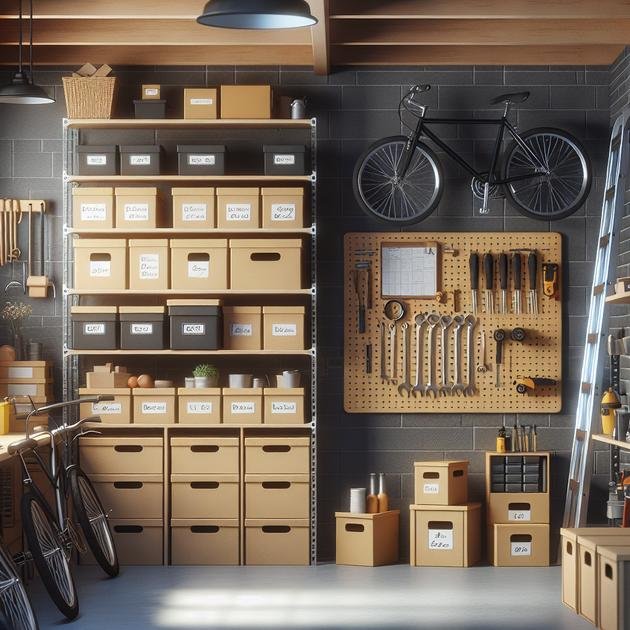
A durable workbench is key for any garage project. Start with a strong frame made of thick wood or metal to support heavy tools and materials. The legs should be sturdy and securely fastened.
Choose the Right Surface
A solid top surface is essential. Hardwood like maple or oak works well for durability. Alternatively, plywood with a protective laminate can resist scratches and spills.
Reinforce Stability
Adding cross braces between the legs increases stability and prevents wobbling. Make sure all screws and bolts are tightened properly.
Include Functional Features
Integrated storage such as drawers or shelves beneath the bench helps keep tools organized and within reach. Adding a vise or clamps can enhance your bench’s functionality for various projects.
Protect your workbench surface with a layer of sealant or polyurethane to withstand wear and tear. Lastly, placing non-slip pads under the legs prevents movement and protects your garage floor.
By following these tips, you create a workbench that lasts and supports your DIY efforts efficiently.
using vertical space effectively in garages
Using vertical space effectively is a smart way to maximize your garage’s storage capacity without crowding the floor. Installing tall shelves or cabinets allows you to store items upward, freeing valuable ground area for parking or workspace.
Wall-Mounted Storage Solutions
Pegboards and slat walls are perfect for organizing tools and smaller equipment vertically. Hooks and brackets help hang bikes, ladders, and garden tools off the ground, keeping them accessible but out of the way.
Ceiling Storage Options
Ceiling-mounted racks or pulley systems are ideal for seasonal items or bulky gear that you don’t use daily. These systems help keep the floor clear and make good use of often-overlooked overhead space.
Vertical storage not only improves organization but also enhances safety by reducing clutter. Make sure to secure all mounts well into studs and use sturdy hardware to support heavy loads.
By thinking vertically, you can turn your garage into an efficient, well-organized space without sacrificing usability or safety.
maintaining your garage organization over time
Maintaining your garage organization over time requires regular effort and simple habits. Start by setting aside a few minutes each week to put items back in their place to prevent clutter buildup.
Create a Maintenance Routine
Schedule monthly cleanups where you dust shelves, sweep floors, and inspect storage areas. This keeps the space fresh and can help you spot any repairs or improvements needed early.
Adapt and Update Storage
Your storage needs may change, so be flexible. Swap out bins, adjust shelving heights, or rearrange tools as projects and priorities evolve. Keeping your system adaptable ensures long-term success.
Labeling everything clearly and encouraging everyone in the household to follow the system helps maintain order. Consider placing reminders or charts near entry points to guide proper item placement.
By developing these habits and regularly reviewing your setup, you keep your garage organized and functional for years to come.
Wrapping Up Your Garage Organization Journey
Organizing your garage with effective systems can truly transform your space and daily routine. By using smart storage ideas, building durable fixtures, and maintaining order over time, you create a garage that works for you.
Remember, the key is to keep your system simple, adaptable, and consistent. Whether tackling your first project or refining your setup, these tips help you build a clutter-free, functional garage that lasts.
Start today and enjoy a garage that’s tidy, safe, and always ready to support your hobbies and tasks.