
cozy nursery bookshelves can turn clutter into a calm, inviting corner without major work. Want simple, fast changes that actually help your daily routine? I tested quick shelf swaps, labeled bins and a rotation trick — here’s what I recommend.
Choosing the right shelves for safety and style
Choose low, stable units that sit within a child’s reach to reduce tipping. Always anchor shelves to studs or use rated wall straps. Pick pieces with rounded corners and smooth, non-toxic finishes for safer touch.
Safety checklist
- Anchor securely: use brackets, wall straps or L-brackets fastened to studs.
- Place heavy items low: keep board books and storage baskets on bottom shelves.
- Check materials: avoid sharp hardware and choose lead-free paints.
- Limit gaps: ensure shelf spacing prevents small-head entrapment.
Style that stays practical
Favor solid wood or plywood with a durable finish for a warm look that lasts. Open shelves make books easy to find; woven baskets or cubbies hide toys without cluttering the room.
Use adjustable shelves to adapt as your child grows and keep a few display-facing books to invite reading. Soft neutrals, subtle pastels and natural textures create a calm vibe while easy-clean surfaces handle spills.
Add small touches like a low rug, a soft lamp, and labels on baskets to keep the area organized and welcoming without sacrificing safety.
Arranging books by use and color to calm routines
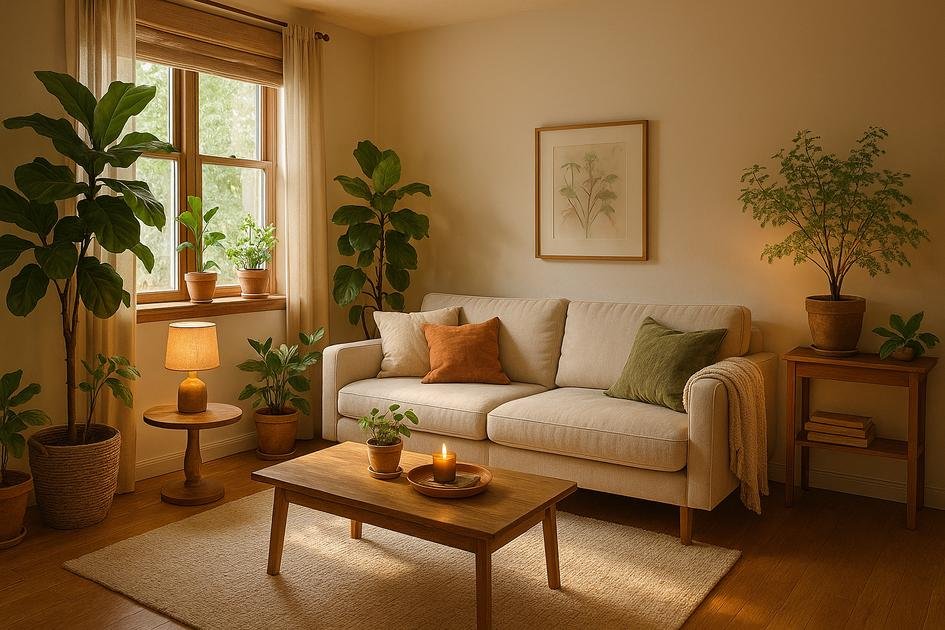
Start by sorting books into functional groups: bedtime, learning, board books and favorites. Keep frequently used groups on lower shelves so kids can reach them independently.
Organize by use
- Bedtime books: place within arm’s reach of the crib or rocking chair for easy nightly routines.
- Daily reads: store on a middle shelf at eye level so kids can choose without help.
- Board books and sturdy toys: put on the lowest shelf or in baskets to prevent falls.
- Rotate a small selection: swap a few titles weekly to keep interest high and clutter low.
Use color to calm routines
Group books by dominant color to create a tidy, soothing look. Use face-out displays for a few covers and spine-out for the rest to balance visual variety and order. Stick to a soft palette—neutrals and pastel accents help the shelf feel restful.
Practical three-step method
- Sort: quickly divide into use-groups and remove damaged books.
- Assign: choose a shelf or basket for each group and label if helpful.
- Style: place a few face-out books, tuck toys into baskets, and leave negative space to avoid visual clutter.
Small touches like a low basket for returns and a consistent place for nighttime books make routines smoother. Keep maintenance simple: a five-minute tidy every evening prevents pileups.
Storage combos: bins, baskets and built-in cubbies
Mix bins, baskets and built-in cubbies to keep toys and books tidy while staying easy to use. Choose low containers kids can reach and hands can pull out safely.
Choosing the right containers
- Bins: shallow plastic or fabric bins work well for blocks, small toys and art supplies. Pick ones with smooth edges and cutout handles.
- Baskets: woven or fabric baskets hide clutter and add texture. Use lined baskets that can be washed or wiped.
- Built-in cubbies: perfect for books and sorted groups. Combine open cubbies for display and closed bins for loose pieces.
Placement and access
Keep daily items on lower bins so children can choose and return things independently. Reserve higher cubbies for items you want to limit. Use a dedicated basket for “end of day” returns near the play area.
Labeling and organization
Use simple labels: pictures for toddlers, words for older kids. Group by type (blocks, dolls, bedtime books) and color-code bins if that helps quick pickup.
Safety and materials
- Avoid small parts in open baskets for very young children.
- Choose non-toxic finishes and breathable materials.
- Anchor built-in units to studs and keep heavy bins on the bottom.
Style and function together
Match basket textures and bin colors to the room’s palette to keep shelves calm. Face-out books, a few soft toys and some empty space make shelves feel organized, not crowded.
Simple upkeep
Do a five-minute tidy each evening: return items to labeled bins, swap a few books weekly, and wash basket liners monthly. Small routines keep the system working without extra effort.
Maximizing small spaces with vertical and corner solutions
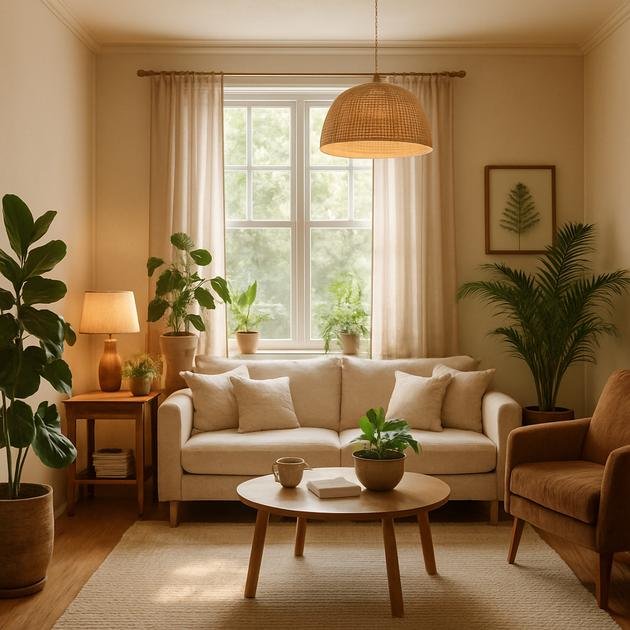
Use height and corners to free floor space without losing storage. Think tall, slim pieces and wall-mounted solutions that keep play areas open and paths clear.
Smart vertical ideas
- Tall narrow bookcases: choose units under 12–14 inches deep to fit small rooms and anchor them to studs.
- Floating ledges: install picture ledges at different heights for face-out books and small toys.
- Ladder shelves: lean a slim ladder shelf against the wall for layered storage that feels airy.
- Wall-mounted pockets and bins: hang fabric or wooden bins to lift items off the floor and keep frequently used things at reachable heights.
Corner solutions that work
- Corner bookcase: use a triangular or L-shaped shelf to use dead space between walls.
- Staggered corner ledges: place small floating shelves in a stepped pattern to display books and plush toys.
- Built-in cubby nook: if possible, install shallow cubbies into a corner for a cozy reading spot with storage beneath the seat.
Safety and accessibility
- Always anchor: fasten tall and corner units to studs or use rated safety straps.
- Keep heavy items low: place board books and bins on bottom shelves to lower the center of gravity.
- Child reach: place everyday books and toys within a toddler’s reach and higher items out of reach.
- Soft edges and finishes: pick rounded corners and non-toxic finishes for all wall-mounted and vertical pieces.
Style that stays functional
Balance storage and breathing room: mix open ledges for display with closed bins for messy toys. Use a limited color palette and natural textures to keep the look calm. Face-out a few favorites to invite reading and keep the rest spine-out for order.
Quick upkeep tips
Set a five-minute evening tidy: return items to labeled bins, rotate a small set of books from a top shelf to a lower ledge, and check anchors monthly. Small habits keep small spaces feeling roomy and cozy.
Easy rotation system to keep books fresh and engaging
Create a simple rotation so shelves stay fresh and kids stay curious. Keep each set small (8–12 books) and swap them on a regular schedule to avoid overwhelm.
How to build a rotation
- Select: pick books that match age, mood and routine—bedtime, learning, and play sets work well.
- Divide: make 2–4 small sets and place each in its own bin or crate.
- Store: keep inactive sets in labeled fabric bins or a covered shelf out of sight.
- Display: put one set on low shelves with a few books face-out to invite browsing.
- Schedule: swap sets weekly or biweekly—try a quick five-minute swap to keep it easy.
Daily habits that help
- Use a simple return basket so kids can help tidy up at the end of playtime.
- Rotate one or two books midweek if interest dips.
- Quarantine damaged books in a repair bin to fix later.
Engage your child
Let toddlers choose between two display books to boost independence. For older kids, involve them in making themed sets. Small choices keep them excited and reduce clutter.
Maintenance tips
Keep a visible spot for the current set and a hidden spot for spares. Do a quick check each month to remove outgrown or damaged titles. Simple systems last longer than perfect ones.
Quick styling tricks that stay functional: labels, lighting, textures
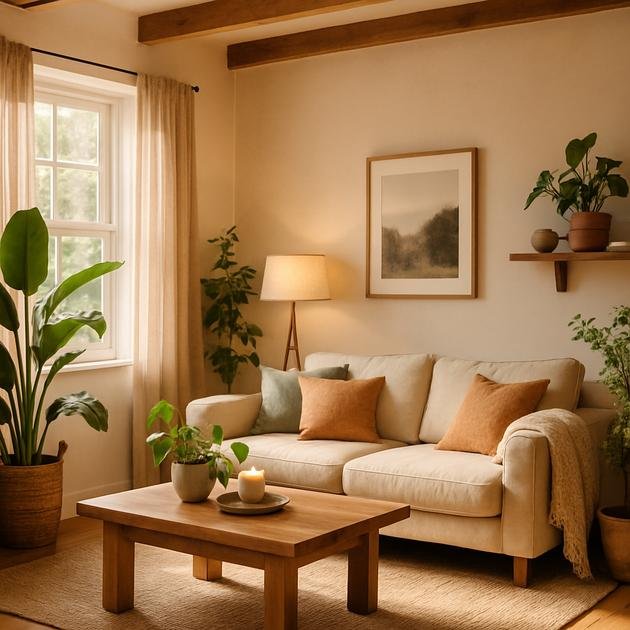
Small styling changes can make bookshelves both pretty and practical. Focus on three simple elements: labels that guide kids, warm lighting for mood and safety, and soft textures that invite touch.
Labels that work
- Use picture labels for toddlers and word labels for older kids so they know where things belong.
- Choose removable, waterproof stickers or clip-on tags that won’t damage finishes.
- Place labels at child eye level and on baskets, bins or the shelf edge for quick returns.
Lighting for safety and mood
Combine ambient and task lighting: a soft table lamp or nightlight for calm evenings, plus LED strip lights under shelves for low-glare visibility. Warm bulbs (2700–3000K) feel cozy and are easier on sleepy eyes.
- Night lights near the floor help safe movement during late feedings or diaper changes.
- Clip-on book lights are great for a reading nook and can be removed as the child grows.
- Use dimmers or smart bulbs to lower brightness without changing fixtures.
Textures and materials
Mix woven baskets, soft fabric bins and a plush rug to add depth without clutter. Choose washable liners and breathable materials to keep things clean and safe.
- Natural fibers like cotton and seagrass add warmth and hide wear.
- Soft-edge baskets reduce bumps and are kinder for little hands.
- Keep one tactile item per shelf—like a knit toy or felt book—to invite exploration without overstimulating.
Style that stays functional
Stick to a simple palette and repeat one or two textures to create a calm, cohesive look. Face-out a few covers to spark interest and keep the rest spine-out for neat lines.
Maintenance tips
Label quick-return spots and set a two-minute tidy routine after play. Wipe lamp shades and wash basket liners monthly. Small upkeep keeps styling practical and lasting.