drought-tolerant plants schedule can transform how you approach home gardening, helping you prioritize resilient varieties and water-wise routines. In this beginner guide, we’ll walk through simple steps to start a thriving, low-maintenance garden and practical tips to choose plants and water efficiently.
What drought-tolerant plants are
Drought-tolerant plants are species that thrive with minimal watering after they establish themselves. They store water in their leaves, stems, or roots, allowing them to cope with dry spells without wilting. To pick the right plants, consider your climate, sun exposure, and soil drainage.
Examples of drought-tolerant plants
- Succulents such as aloe, echeveria, and sedum that store water in their fleshy leaves.
- Herbs like thyme, rosemary, and oregano that tolerate heat and dry soil.
- Native grasses, , and agave varieties that require little irrigation.
- Flowering options such as lavender, sage, and gaillardia that attract pollinators.
How to evaluate your space
Assess sun hours, soil type, and drainage. In hot or windy areas, group plants with similar water needs to simplify watering. Start with a few resilient varieties and observe their performance before expanding.
Care tips for long-term success
Water deeply but infrequently once established, mulch to retain moisture, prune dead growth, and monitor for pests. With the right mix, your garden stays vibrant with less effort.
How to choose drought-tolerant species for your space
Choosing drought-tolerant species for your space means picking plants that keep thriving with less water and fit your climate, soil, and light conditions.
Key factors to consider
- Climate and hardiness: Know your zone and typical rainfall to select plants that endure hot summers.
- Sun exposure: Match plants to full sun, partial shade, or shade to reduce water needs.
- Soil drainage: Good drainage helps roots thrive; amend heavy soil or choose drought-tolerant options for poor drainage.
- Water requirements: Group plants by how much water they need to simplify irrigation.
- Maintenance needs: Some species require less pruning or feeding, saving time.
How to assess your space
Note sun hours, soil type, and drainage. In hot or windy spots, group plants with similar water needs to simplify care. Start with a few resilient types and watch their growth across seasons.
Plant selection tips
- Succulents and drought-tolerant perennials such as agave, lavender, sedum, and echinacea.
- Native grasses and groundcovers like little bluestem, buffalo grass, thyme, and creeping sage.
- Group by water needs to simplify irrigation and reduce waste.
Maintenance and care
- Water deeply but infrequently after establishment to build deep roots.
- Mulch to reduce evaporation and keep roots cool.
- Monitor soil moisture and adjust irrigation with the seasons.
- Inspect for pests and diseases and act early.
AI image prompt
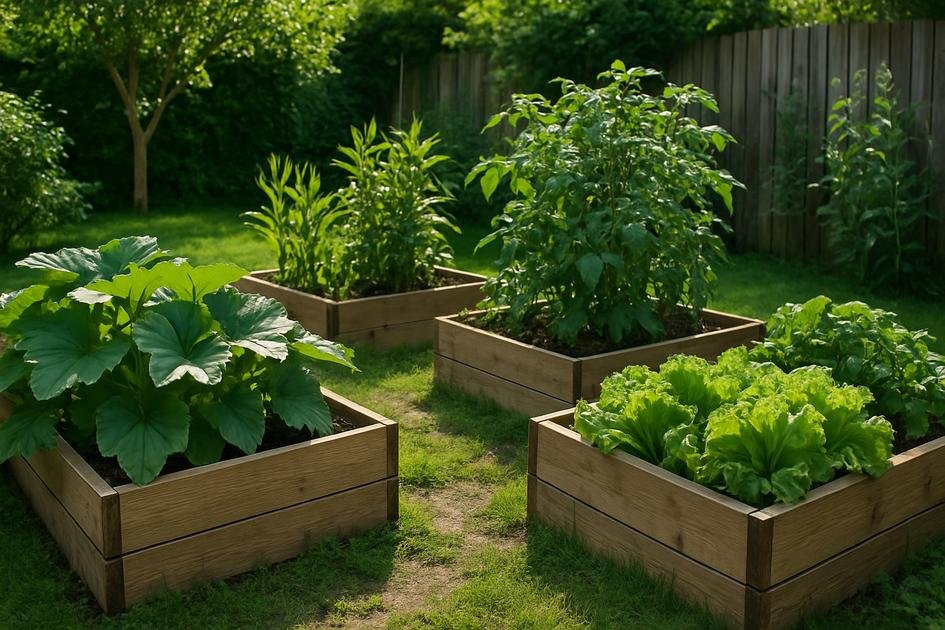
Prompt: Realistic garden scene showing a curated mix of drought-tolerant species—succulents, lavender, sage, thyme, agave, and native grasses—planted in a sunlit border with well-draining soil and mulch, illustrating a water-wise landscape. No text in the image.
Creating a simple watering schedule for your climate
Creating a simple watering schedule for your climate helps you use water wisely and keep plants healthy, even during hot or dry periods. Start by noting your region’s rainfall patterns and the soil type in your garden to tailor irrigation.
Key factors to consider
- Climate and rainfall patterns: Local weather shapes how often you water and how much.
- Sun exposure: Full sun vs. shade changes water needs.
- Soil drainage: Poor drainage requires different irrigation strategies.
- Plant grouping by water needs: To simplify irrigation, group plants with similar needs.
- Maintenance and monitoring: Regularly check soil moisture and adjust.
Steps to build your schedule
- Assess your climate zone and typical rainfall.
- Evaluate sun exposure in different garden areas.
- Test soil moisture at root depth to guide watering frequency.
- Assign irrigation times or zones for each group of plants.
- Review and adjust as seasons change.
Practical tips
- Use drip irrigation or soaker hoses to deliver water directly to roots.
- Water deeply but infrequently to encourage deep roots.
- Water in early morning to minimize evaporation.
- Mulch heavily to conserve moisture.
- Keep an eye on rainfall and seasonal shifts; adjust accordingly.
- If possible, install a simple rain sensor to pause irrigation after rainfall.
Common mistakes beginners make and how to avoid them
Common mistakes beginners make when starting drought-tolerant gardening can derail progress and waste water. Here’s how to avoid them and build a healthy, water-wise landscape.
Common mistakes beginners make
- Overwatering: Even drought-tolerant plants need time to establish; watering too often causes root rot and wasted water.
- Planting too many diverse species at once: A crowded bed makes it hard to judge water needs and can stress plants.
- Ignoring sun exposure and drainage: Choosing plants without checking light and soil drainage leads to stress and poor growth.
- Not grouping by water needs: Mixing high- and low-water plants complicates irrigation planning.
- Underestimating maintenance: Mulching, pruning, and soil checks help drought-tolerant plants thrive with less effort.
How to avoid them
- Plan first: Assess climate, sun, soil, and water access before planting.
- Start small: Test a few species across seasons and expand as you learn.
- Group by water needs: Create irrigation zones or groups to simplify watering.
- Water deeply, less often: Deep irrigation promotes deep roots and drought resilience.
- Mulch and improve drainage: Mulch reduces evaporation; adjust soil as needed for drainage.
- Monitor and adapt: Track rainfall, irrigation, and plant responses to fine-tune habits.
AI image prompt
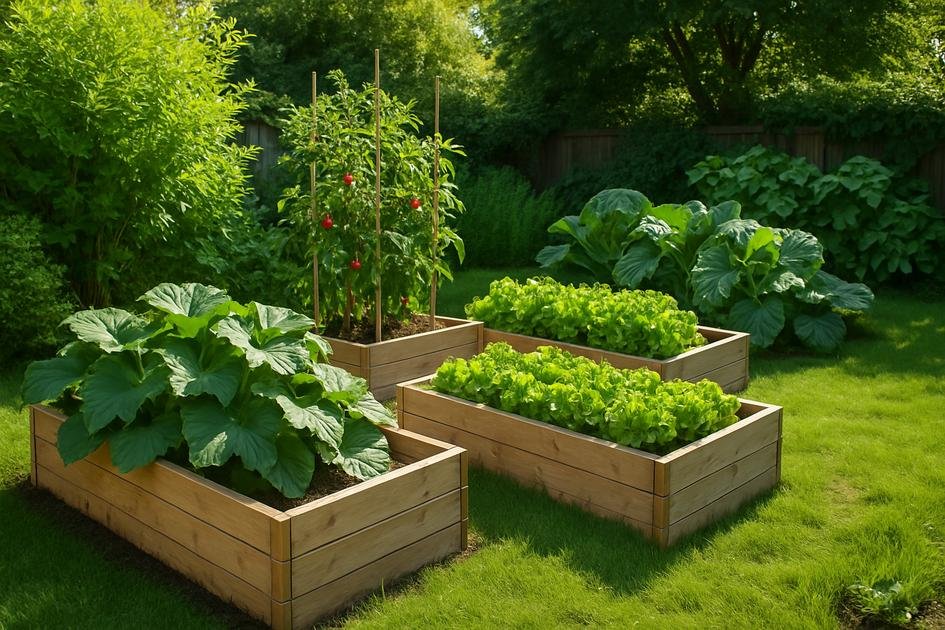
Prompt: Realistic garden scene showing a beginner gardener learning to avoid common mistakes in drought-tolerant gardening: a well-mulched border with grouped plants of different water needs, a drip irrigation system with a timer, and distinct sun and shade areas; no text in the image.