shade plants tips; are your gateway to brightening dim corners without much fuss. In this guide, you’ll learn how to choose, place, and care for shade-loving plants that thrive indoors.
Selecting shade-loving plants for your home
Selecting shade-loving plants for your home helps brighten dim corners with minimal sunlight. Start by evaluating the light in each room, then pick species that thrive in those conditions.
Choosing plants for low light
Choose varieties that tolerate low or indirect light, such as snake plants, pothos, philodendrons, ZZ plants, and calatheas. These plants store energy in their leaves and recover well from occasional neglect.
Watering, humidity, and soil basics
Most shade lovers prefer evenly moist soil but not waterlogged conditions. Allow the top inch to dry before watering, and use a well-draining potting mix. Mist leaves occasionally to boost humidity, especially for ferns and calatheas.
Placement and care tips
Arrange plants at varying heights on shelves and plant stands to create depth. Place taller specimens near windows to make the most of available light, and rotate pots every few weeks to balance light exposure. Use saucers to catch excess water and protect surfaces.
Lighting and placement for shade plants
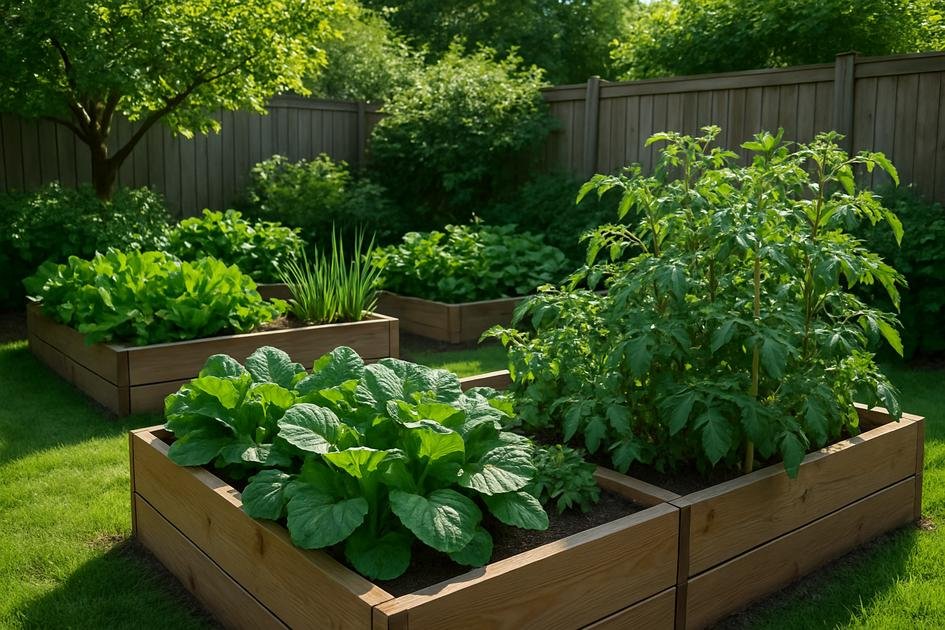
Lighting and placement for shade plants shapes growth in dim corners. Choose spots with the right light and position plants to maximize benefit.
Light levels explained
Shade plants thrive in low to indirect light. Direct sun can burn leaves, so avoid sunlit windows. A north-facing window or a room with filtered light is ideal.
Where to place them
Group plants on shelves or tables at different heights to create depth. Keep shade lovers away from hot, sunny windows. If a room has only bright light, place plants away from the glass or use sheer curtains to soften the sun. Consider placing fern and calathea near the center of the room where light is gentle.
Rotation and care
Rotate every 2-3 weeks so all sides receive light. Check for signs of too little light (slow growth, leggy stems) or too much light (bleached leaves). Increase humidity around sensitive varieties by misting or using a tray of pebbles.
Watering and soil basics for shade plants
Shade plants need careful watering and the right soil to stay healthy in dim light. Here’s how to handle moisture and soil for thriving greenery.
\n
Watering needs for shade plants
\n
Most shade lovers prefer evenly moist soil. Water when the top inch of soil feels dry. Avoid letting pots sit in water. Use room-temperature water. If leaves look dull, it may signal improper moisture. Watch for signs like drooping leaves or yellowing and adjust watering.
\n
Soil and potting mix
\n
Choose a light, well-draining mix. A blend of peat moss or coco coir, perlite, and potting soil works well. Avoid heavy garden soil that stays soggy. Repot when roots fill the pot and the plant grows slowly.
\n
Watering schedule and checks
\n
Set a regular schedule that fits the season and plant type. In bright rooms, water a bit more; in cooler months, less. Use a moisture meter or finger test to guide you. Check for water standing in saucers, which can harm roots.
\n
Common issues and fixes
\n
Overwatering can cause root rot; reduce frequency and ensure drainage. Underwatering leads to crisp edges and slow growth; increase watering as needed and consider humidity boosts. For ferns and calatheas, misting helps, but avoid leaf spots from excess moisture.
Common problems and troubleshooting tips
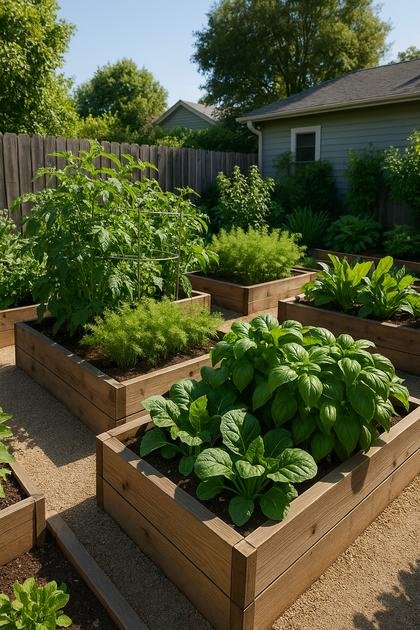
Managing shade-loving plants requires watching for specific problems and applying targeted fixes.
Common problems to watch for
- Overwatering signs include yellowing leaves, soft stems, and a musty soil smell. Fix by letting the soil dry on the top inch, improving drainage, and reducing watering frequency.
- Underwatering signs are drooping, crispy leaf edges, and slow growth. Fix by watering thoroughly until water drains from the bottom and adjusting the schedule to fit the season.
- Low humidity causes brown tips and leaf edges. Fix with misting, a humidity tray, or grouping plants together.
- Pests like spider mites or scale show tiny specks or sticky residue. Fix by rinsing leaves, using insecticidal soap, and checking plants regularly.
- Inadequate light shows pale leaves and leggy growth. Fix by moving plants to brighter indirect light or rotating them to share the light.
- Soil issues such as compacted or waterlogged soil reduce oxygen to roots. Fix by repotting in a light, well-draining mix and ensuring proper drainage.
Troubleshooting steps you can take
- Assess soil moisture with a finger test or moisture meter.
- Check the pot for drainage holes and ensure water drains away.
- Reevaluate light exposure and adjust placement to indirect light.
- Boost humidity around sensitive varieties using a tray of pebbles or a humidifier.
- Inspect leaves for pests and treat pests quickly.
- If roots are crowded, repot into a bigger pot with fresh soil.
Prevention tips
- Use a light, well-draining potting mix and pots with drainage.
- Establish a consistent watering schedule based on room conditions and season.
- Keep temperatures stable and avoid drafts near windows.
- Regularly wipe dust from leaves to improve photosynthesis.
Image prompt for visualization
Image prompt for AI visualization: Realistic indoor scene showing shade-loving plants with signs of common problems (drooping leaves from underwatering, yellowing from overwatering, brown tips from low humidity) arranged on shelves and a table, alongside a moisture meter, spray bottle, and a watering can. Include a north-facing window with soft indirect light and a neutral, cohesive backdrop. No text in the image.