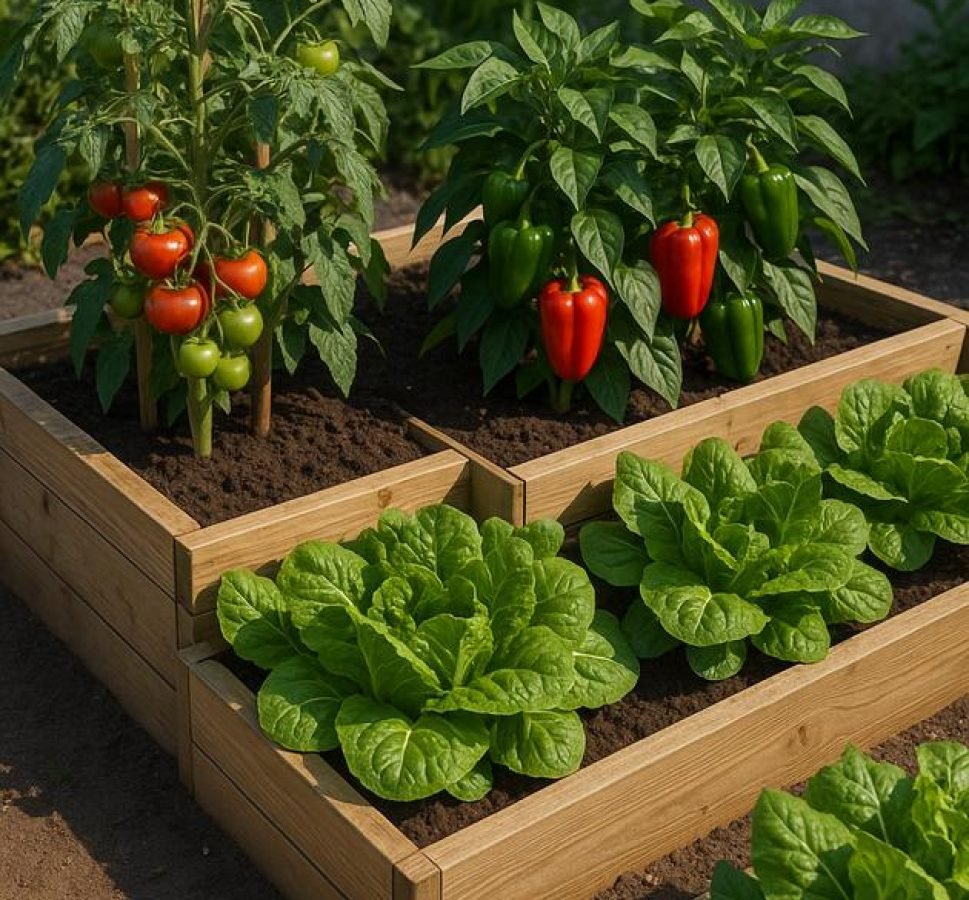
Vegetable garden schedule helps you plan, plant, and care for your beds throughout the year. In this guide, you’ll find practical month-by-month tasks, tailored to common climates, so you can grow more reliably and with less guesswork. Ready to start tending your plot with confidence?
month-by-month planning and prep
Month-by-month planning sets the rhythm for a thriving vegetable garden. Use a simple yearly map to guide what to plant, when to prepare beds, and how to adjust for your climate.
January–March: Get the soil ready
Start with a soil check, test pH, and measure nutrients. Add organic matter like compost or aged manure to improve structure. Clear debris and sharpen tools. Set up a basic calendar for sowing cool-season crops such as lettuce, peas, and spinach. Keep it simple and write down dates you plan to work.
April–June: Planting windows and care
Plant warm-season crops after the last frost date. Space plants properly and mulch to conserve moisture. Use row covers to protect tender seedlings in chilly mornings. Regularly water in the morning and monitor for pests. Consistency matters for steady growth.
July–September: Maintenance and succession
Harvest steadily and rotate crops to balance soil nutrients. Plan succession plantings so you always have fresh produce. Use drip irrigation to save water and keep foliage dry to reduce disease risk. Record successes to refine next year’s plan.
October–December: Prepare for the next season
Clear spent beds and add compost to enrich soil over winter. Start planning new crops and order seeds before peak season. Reflect on what worked and adjust your calendar for next year. Stay flexible to adapt to weather changes.
seasonal crop selection and rotation
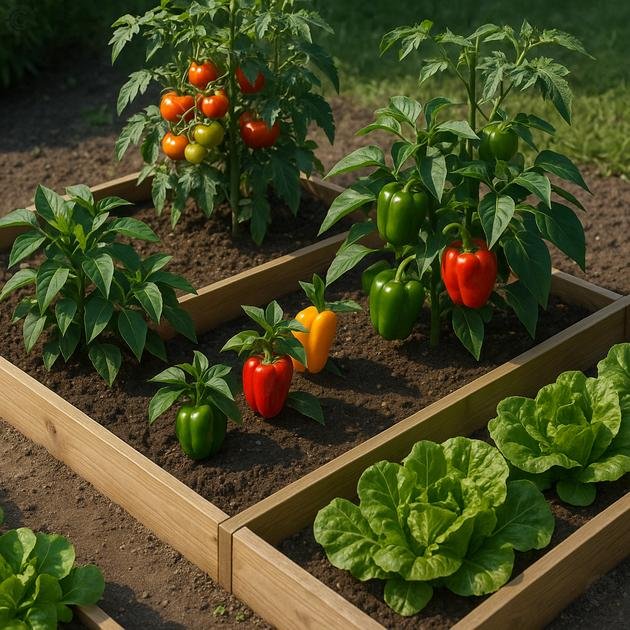
Seasonal crop selection and rotation keeps soil healthy, improves yields, and reduces pest pressure. By choosing crops that fit each season and rotating them among beds, you maximize fertility and minimize disease risk.
Seasonal crop selection by season
Cool-season crops thrive in spring and fall. Think lettuce, spinach, peas, and radishes. Warm-season crops grow in midsummer to early fall, including tomatoes, peppers, beans, and corn. Pair crops with your local climate and frost dates for reliable harvests.
Rotation plan across beds and families
Group crops into families to guide rotation: nightshades (tomato, pepper, eggplant), legumes (beans, peas), cucurbits (cucumber, squash, melon), brassicas (cabbage, broccoli, kale), roots (carrot, beet, potato). Rotate each bed to a different family each year to break pest cycles and balance nutrients. A typical rotation spans three to four years.
Practical planning steps
Start with a simple bed map. Assign each bed a season focus and a crop family for the coming year. Keep a log of rotations and adjust for weather and space. Reassess your plan annually to improve diversity and yields.
monthly maintenance tasks and troubleshooting
Monthly maintenance tasks and troubleshooting help you keep soil healthy, water efficiently, and crops protected throughout the year.
Seasonal maintenance tasks
Soil and bed upkeep Begin by testing soil pH in early spring and again in late summer if needed. Add compost to improve structure and fertility. Clear weeds and sharpen tools for faster work.
Watering and moisture control Water in the morning to limit evaporation. Apply mulch to conserve moisture and regulate soil temperature. Inspect irrigation lines for leaks and adjust as rainfall changes.
Pest and disease monitoring Check leaves weekly for spots or holes. Remove affected foliage and rotate crops to break pest cycles. Encourage beneficial insects with diverse plantings and avoid broad-spectrum sprays when possible.
Troubleshooting common issues
If growth stalls, test soil nutrients again and adjust feeding. Yellowing leaves often signal nutrient imbalance or water stress; adjust irrigation or fertilization accordingly. Wilting during heat waves usually means under-watering; inspect soil moisture and irrigation efficiency.
Record-keeping Keep a simple log of issues and actions. Tracking problems over time helps refine next season’s plan and reduce recurring trouble.
tools, resources, and customization for your space
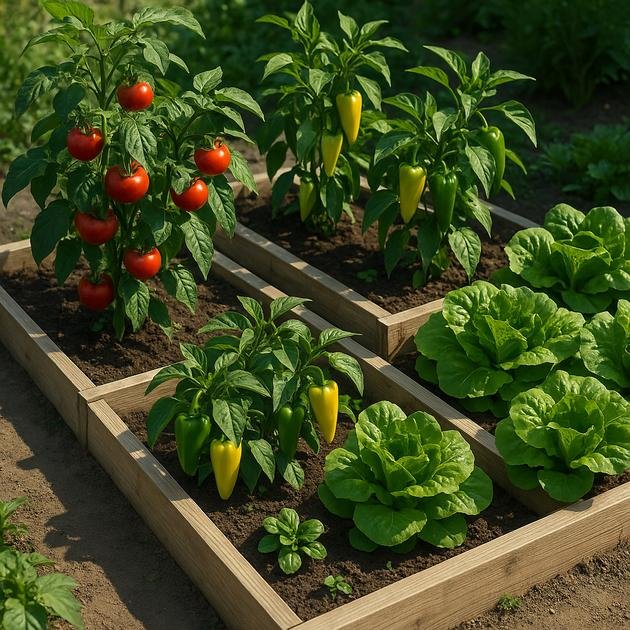
Tools, resources, and customization options let you tailor your garden space to your climate, budget, and workflow.
Essential tools include a hand trowel, pruners, hoses, and a reliable soil test kit to set a solid foundation for your beds.
Helpful resources such as local extension guides, seed catalogs, and composting tutorials can save time and improve results. Keep a simple catalog of your favorite varieties and avoid overcrowding.
Customization ideas like raised beds, irrigation zoning, and modular planters let you fit your space precisely, even in tight urban plots. Start small, then add features as your confidence grows.