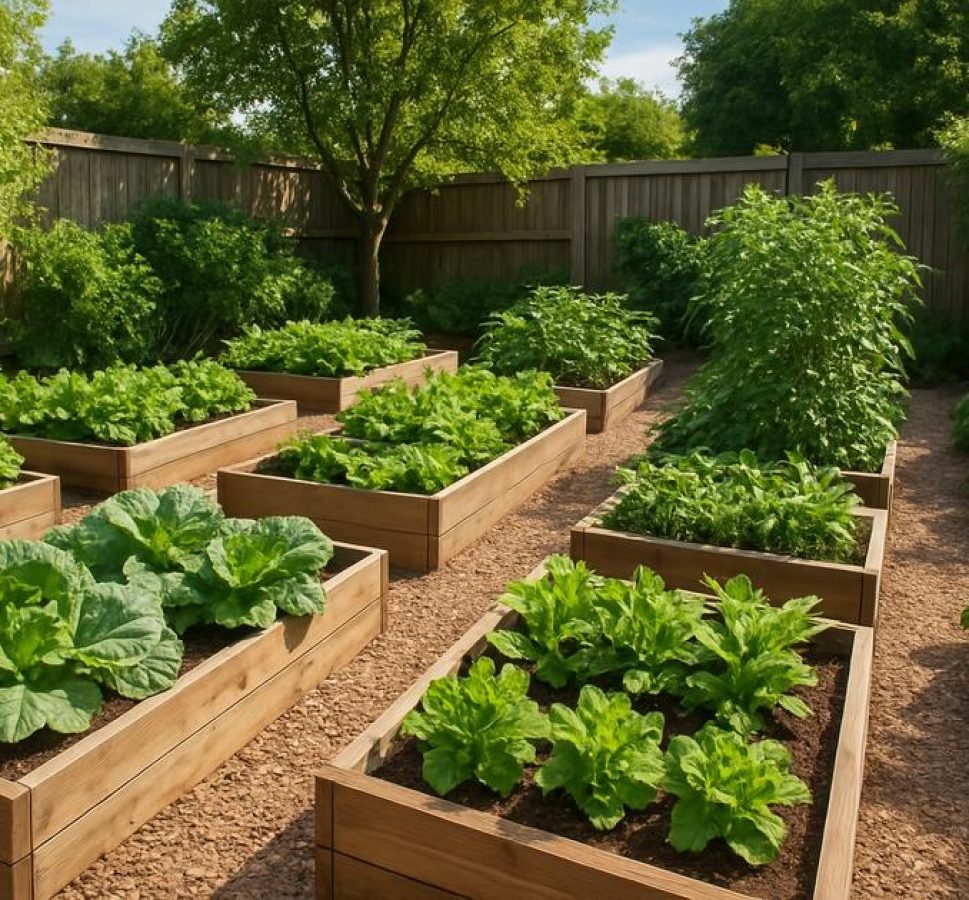
In this guide, pollinator garden schedule helps you align monthly actions with blooms and pollinator needs, making your garden livelier and easier to manage. Curious how a simple calendar can boost pollinator visits without turning gardening into a chore?
month-by-month planting guide for pollinators
Month-by-month planting guide for pollinators offers practical actions to support nectar sources and habitat all year.
January
Review your garden’s current nectar sources and map gaps in bloom times. Indoor sowing of cool-season annuals like calendula and bachelor’s button can yield early blooms for pollinators. Prepare beds, mulch where needed, and order native plants for spring.
February
Start a few seedlings indoors, focusing on long-blooming perennials such as echinacea and phacelia. Prune dead wood on fruit trees and shrubs and plan a water source that remains unfrozen.
March
Transplant hardy seedlings outdoors after frost risk, add early-flowering perennials to fill gaps, and ensure drip irrigation is ready. Mulch lightly to retain moisture and suppress weeds while keeping soil warm for young roots.
April
Plant early nectar sources like milkweed and lupines, and keep a steady cadence of deadheading to encourage continued blooms. Provide shallow water sources and shelter for visiting pollinators.
May
Plant warm-season nectar plants such as yarrow, asters, and oregano; divide crowded perennials to expand habitat. Maintain consistent irrigation during dry spells and mulch to protect roots.
June
Ensure continuous bloom by mixing mid- and late-spring nectar plants. Provide habitat features like bee hotels or log piles and keep soil evenly moist but not soggy.
July
Maintain a steady supply of nectar by keeping annuals and perennials blooming through summer. Watch for pests using non-chemical methods and keep a water source accessible for pollinators.
August
Plant fall bloomers such as asters and goldenrods to extend nectar flow. Leave seed heads or dried stems that offer shelter for insects during cooler nights.
September
Plant late-summer and early-fall nectar sources and divide perennials as needed. Start planning bulbs for spring and collect seeds for future plantings.
October
Clean up carefully, compost organics, and prepare for winter. Plant spring-blooming bulbs like crocus and snowdrop, and maintain mulch to protect roots.
November
Protect overwintering nectar sources and habitats with evergreen cover where possible. Plan next year’s calendar, keep pesticide use minimal, and seed new varieties that attract pollinators.
December
Review outcomes from the year, save seeds, and order new plants for the next season. Allow some garden beds to rest and maintain a few evergreen nectar sources.
seasonal nectar and habitat maintenance
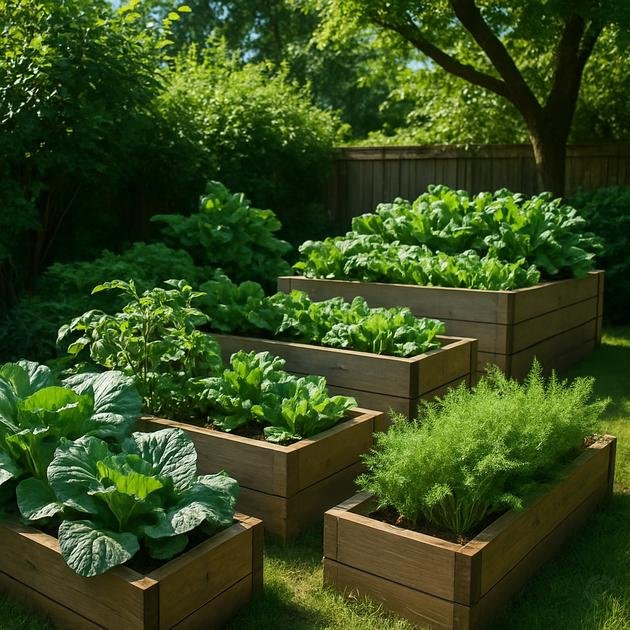
Seasonal nectar and habitat maintenance keeps pollinators visiting year-round by matching flowers, shelter, and water to the season.
Winter habitat readiness
Protect exposed roots and provide sheltered watering options during cold snaps. Use mulch to insulate shallow roots and keep pollinator-friendly plants alive through frost. Replace any failed feeders and ensure bird baths aren’t frozen for accessible hydration.
Spring bloom ramp-up
Stagger plantings to ensure successive blooms from early spring onward. Choose native forbs and early nectar sources. Plant in groups to attract more pollinators with visual clusters.
Summer nectar management
Keep a steady nectar flow by maintaining a mix of summer-flowering perennials and annuals. Check irrigation, avoid overwatering, and deadhead to encourage continuous blooms. Create shallow water sources and provide shaded resting spots for heat-stressed pollinators.
Fall habitat upkeep
Plant late-season nectar sources and leave seed heads to feed birds and insects through cooler days. Clean up carefully, remove diseased material, and mulch to protect roots before winter.
tips for attracting native bees and butterflies
Tips for attracting native bees and butterflies help pollinators thrive by providing a welcoming, diverse garden throughout the year.
Native plant choices
Select regional natives that offer abundant nectar and pollen. Include a mix of tall, medium, and low-growing species to create layered habitat. Consider plants that bloom at different times to ensure a steady nectar flow for pollinators.
Seasonal bloom strategy
Plan for blooms from early spring to late fall by sowing a rotation of species. Group plantings together to make it easier for pollinators to forage and for you to manage the garden.
Habitat features and water
Provide shallow water sources and simple shelters such as bee hotels or brush piles. Mulch and avoid bare soil in hot areas to keep beneficial insects comfortable.
Garden practices for pollinators
Minimize pesticide use and choose organic solutions whenever possible. Observe pollinator activity and adjust plantings to address gaps in food sources or shelter.
simplifying your garden calendar with milestones
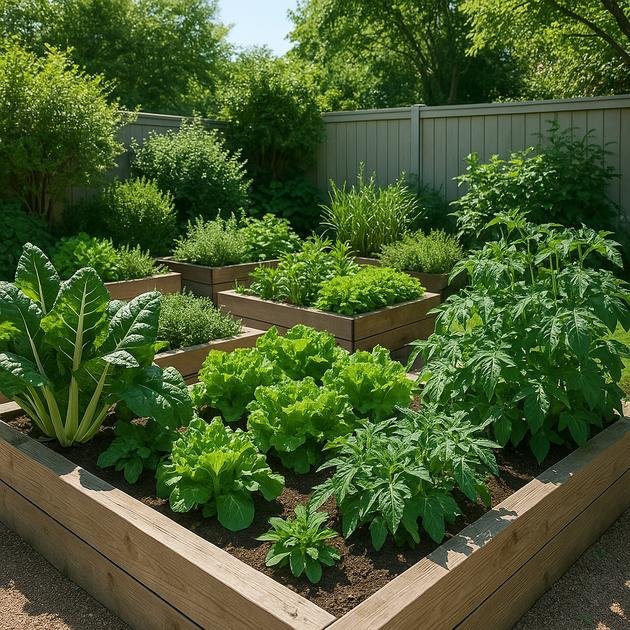
Simplifying your garden calendar with milestones helps you stay organized and enjoy year-round progress in your garden.
Choose essential milestones
Pick a few indicators that matter for your climate and plantings, such as first bloom near spring, peak pollinator activity, and first frost. Set dates or windows to guide planting and maintenance.
Seasonal groupings
Divide tasks by season to avoid overload. Create checklists for winter prep, spring sowing, summer care, and fall cleanup, so you can follow a steady rhythm.
Review and adjust
At the end of each season, review what worked and adjust next year’s milestones. Celebrate small wins like a thriving pollinator garden or a bloom-packed border.