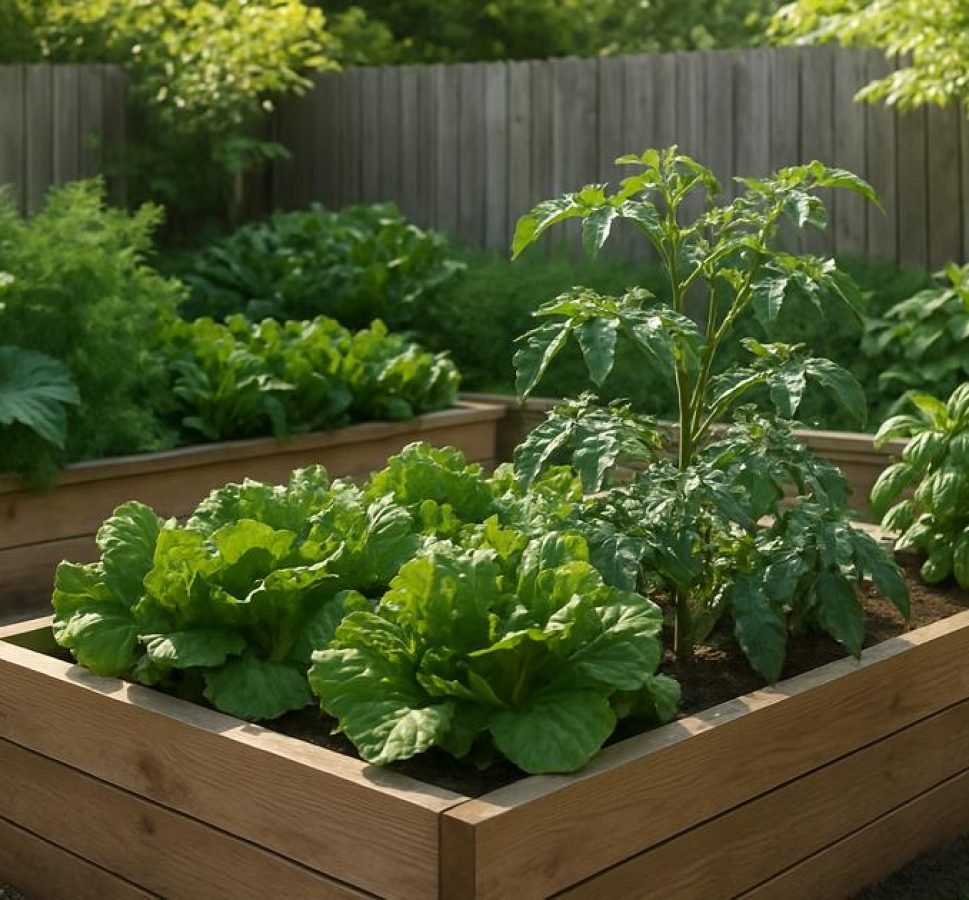
garden planning tips guide you through turning a bare patch into a thriving space. We’ll cover practical steps, quick checks, and a simple timeline that fits your climate, budget, and daily routine—so you can start planting with confidence, without the overwhelm.
what is garden planning and why it matters
Garden planning is the process of organizing how you will use your outdoor space to grow plants, flowers, and food. It helps you make the most of sunlight, water, and soil while avoiding wasted effort or space.
Why plan your garden?
With a plan, you can map out where each plant will go, track how much sun different areas receive, and group plants with similar water needs. This leads to healthier growth and less frustration as your garden grows.
Key factors in planning include site assessment (sun/shade, wind, drainage), soil health (soil type, compost), and plant compatibility (sun-loving vs shade-tolerant species).
By noting a simple seasonal calendar, you can decide when to start seeds, transplant outdoors, and harvest. A clear plan also helps with budgeting and choosing tools or supplies ahead of time.
To begin, assess your space, note sun exposure, and sketch a simple layout on paper. Start with a few easy-to-grow plants to test the plan and learn what works in your climate.
assessing sun, shade, and soil for your space

Assessing sun, shade, and soil is a core step in garden planning tips because it guides where each plant will thrive and helps you plan efficiently.
Sun and shade basics
Observe how sunlight moves across your space during a typical day. Identify full sun zones (6+ hours), partial sun, and areas that stay in shade. Use simple markers on a map to note these zones and remember that microclimates near walls or trees can change what grows well.
Soil health and drainage
Soil type matters for drainage and root growth. A quick test can show how water drains from a small hole after rainfall. If drainage is slow, add organic matter like compost to improve texture and water retention. Consider a basic soil pH check as needed to tailor amendments.
Putting it into a plan
Transfer findings to a simple layout that marks sun zones and soil notes. Place sun-loving plants in bright spots and shade-tolerant varieties where light is limited. Keep notes for future seasons and adjust as you observe plant performance.
picking plants that suit your climate and layout
Choosing plants that match your climate and layout helps your garden thrive with less effort. Start by noting your hardiness zone, typical rainfall, and average temperatures.
Know your climate and microclimates
Identify the climate category for your region and look for plants that tolerate those conditions. Pay attention to microclimates near walls, fences, or trees that may be warmer or drier.
Sun exposure matters: classify areas as full sun, partial sun, or shade, and pick plants that fit those spots. For example, some herbs and vegetables love sun, while ferns and hostas thrive in shade.
Space and layout: measure how much room each plant will need at maturity. Consider pot size for containers and vertical space for trellises. Group plants by water needs to simplify irrigation.
Test a few easy-to-grow varieties first to learn what works in your climate and soil. Keep notes and adjust next season.
creating a simple seasonal planting timeline

Creating a simple seasonal planting timeline helps you align seed starting, transplanting, and harvesting with local weather patterns.
Identify your growing seasons
First, map out your climate zones and frost dates. Use a simple calendar to mark the last frost in spring and the first frost in fall. This sets the window for starting seeds indoors and direct sowing.
Plot key planting milestones
Divide the year into seasons and assign milestones: start indoors, transplant outdoors, direct sow, and harvest for each crop. Group crops by maturity length to simplify scheduling. For example, fast-growing greens can be planted every few weeks during cool months.
Practical tips for a manageable timeline
Keep a simple calendar or spreadsheet with color codes for each crop. Record weather surprises and adjust the timeline accordingly. Start with a small set of crops and expand as you gain experience.
Keep your timeline flexible and update it after each season to improve accuracy for next year.