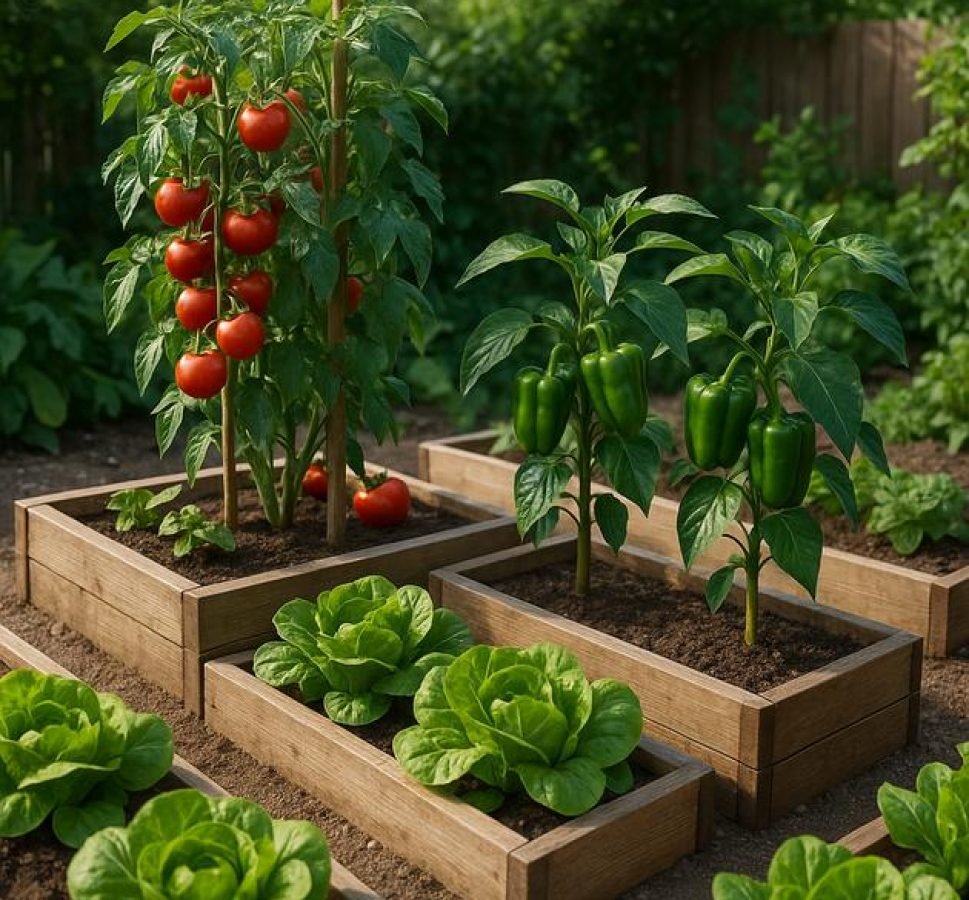
vegetable garden tips can transform how you grow food at home, even if space is tight. This guide covers essential steps from soil prep to watering schedules, helping you enjoy a healthier, more productive patch in your yard or balcony.
planning your at-home vegetable garden
Begin with a quick assessment of your space, climate, and goals to plan a productive at-home vegetable garden. Map the area and note sun exposure and any obstacles like trees or buildings.
Assess space and sun
Sunlight is the most important factor for most vegetables. Track how many hours of direct sun your area receives each day and plan accordingly. If shade is limited, choose shade-tolerant crops or container growing options.
Plan beds and layout
Decide between raised beds, in-ground beds, or container gardens. A rectangular grid is easy to manage and expands as you learn. Leave 12 to 18 inches between beds for easy access and air movement.
Soil and compost
Good soil is the foundation of a healthy garden. Test your soil if possible, then amend with compost to improve texture and fertility. A balanced mix supports better root growth and nutrient uptake.
Water and irrigation
Plan a simple watering routine that keeps soil consistently moist but not waterlogged. Drip irrigation or soaker hoses reduce water waste and keep foliage dry, lowering disease risk.
Seasonal planning
Think about planting windows, crop rotation, and succession planting to maximize space and yield. Keep notes on what works and what you learn for next season.
choosing crops for beginners
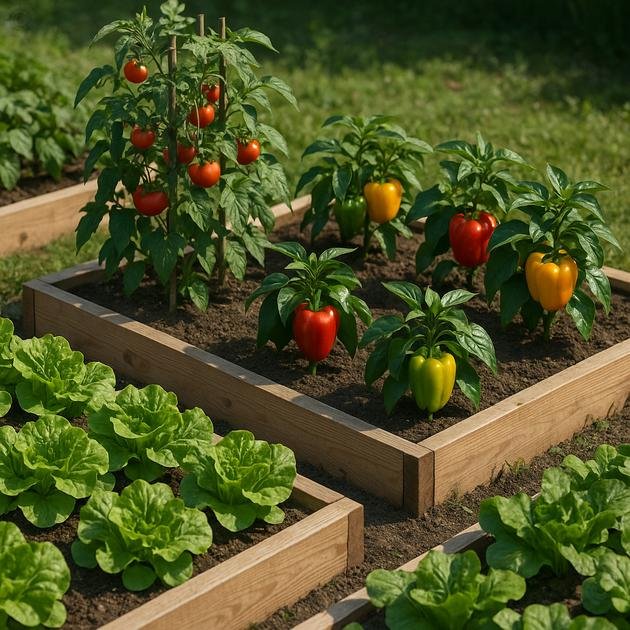
When choosing crops for beginners, start with forgiving varieties that grow quickly and fit your space. Simple, reliable yields keep motivation high as you learn.
Choose beginner-friendly crops
Radishes, lettuce, spinach, green beans, and bush herbs like basil are great starting points. These crops grow fast, tolerate imperfect conditions, and don’t require special equipment. Consider compact or baby varieties for container gardens.
Think about space and light
Match crops to your available light and container size. For full-sun balconies, choose sun-loving greens and small vegetables. In shady spots, pick shade-tolerant greens and root crops that tolerate partial shade.
Plan for harvest and succession
Plant in successive rounds so you have a steady harvest. Start with quick-turn crops like radishes or lettuce, then add longer-season crops such as tomatoes or peppers as you gain experience. Keep a simple garden calendar to track dates and yields.
Soil, containers, and care
Use quality potting mix or well-draining soil in containers. Ensure containers have drainage, water consistently, and feed with light compost. Mulch lightly to conserve moisture and reduce weeds.
soil, sun, and water: basics you need
Soil, sun, and water form the foundation of a healthy garden. Understanding how they interact helps you grow more with less work.
Soil basics
Soil is more than dirt. It supplies nutrients, supports roots, and drains water. Seek soil with organic matter, good texture, and drainage. If possible, test pH and amend to keep vegetables happy in the 6.0–7.0 range. Add compost to improve structure and fertility, which supports stronger roots.
Sunlight essentials
Most vegetables need direct sun for several hours daily. Look at how many hours your spot receives and plan crops accordingly. In tight spaces, choose crops that tolerate partial shade and use mirrors or light-colored surfaces to reflect more light where possible.
Water basics
Keep soil evenly moist, not soggy. Water deeply to encourage deep roots and steady growth. A drip irrigation or soaker hose system saves water and keeps foliage dry, reducing disease risk. Mulch helps retain moisture and suppress weeds.
simple maintenance that pays off
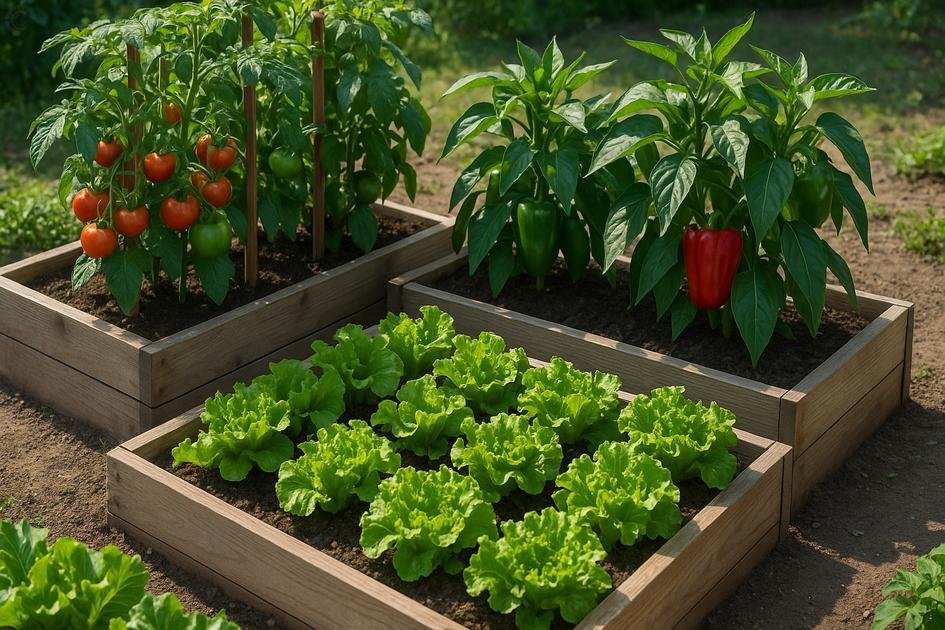
Consistent, simple maintenance helps your garden thrive with less effort and fewer problems.
Soil and bed upkeep
Healthy soil supports strong roots and better yields. Add compost, check drainage, and refresh mulch to keep texture balanced and moisture in check.
Mulching and weed control
Mulch reduces evaporation and suppresses weeds. Replenish mulch every season and keep paths clean to promote airflow and easier maintenance.
Watering discipline
Water deeply and less often to encourage deep roots. A simple schedule, preferably in the morning, helps conserve water and reduces disease risk. Deep watering pays off over time.
Pruning and plant spacing
Prune crowded growth to improve airflow and light; space plants as recommended to prevent competition. Regular pruning keeps plants healthy and productive. Take a little time every week for a quick trim.
Tool care and organization
Keep tools clean and sharp, oil moving parts, and store them dry. A tidy workspace makes maintenance faster and reduces the chance of accidents.