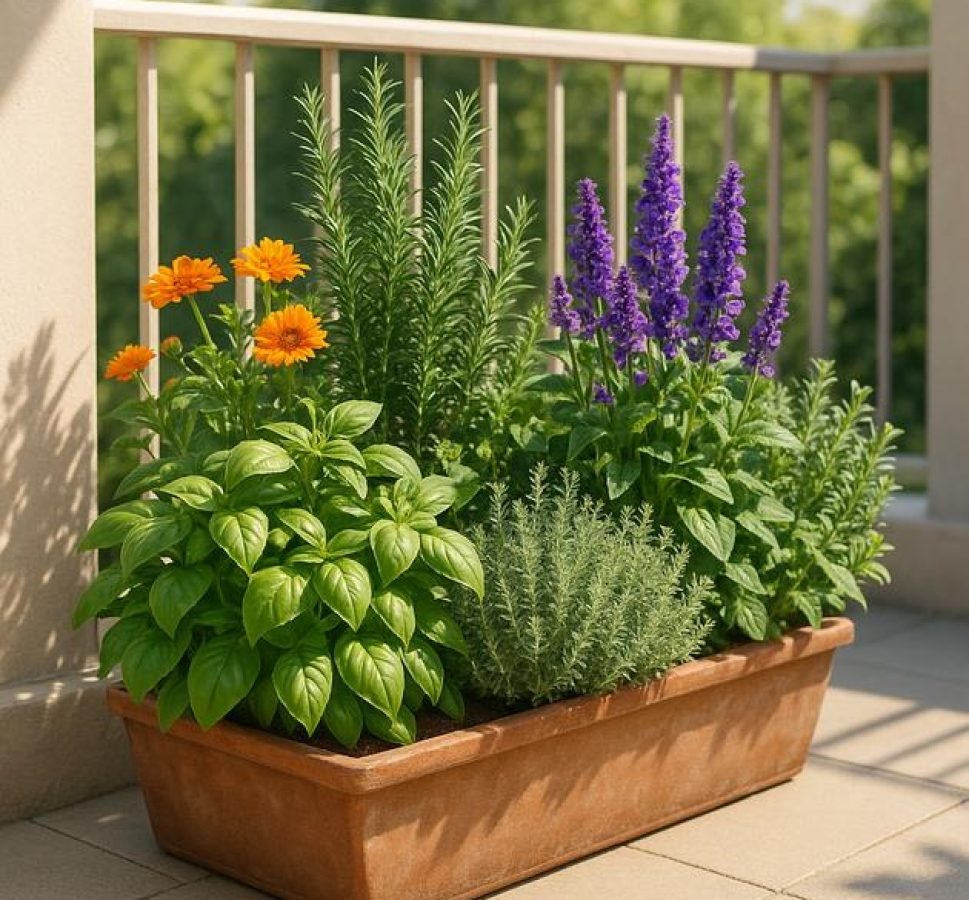
container gardening tips can transform tiny outdoor spaces into productive, colorful retreats. In this guide, I’ll walk you through a practical month-by-month plan, share real-world examples from balcony growers, and help you spot early pitfalls so you stay on track year round.
Choosing the right containers and soil
Choosing the right containers and soil is the foundation of successful container gardening. The goal is to provide good drainage, stable growth, and the right amount of soil for root development.
Container selection
Size matters: pick containers that fit the mature size of your plants and leave space for roots to grow. Drainage holes prevent waterlogged soil and root rot. Consider materials like terracotta for breathability or plastic for water retention, but remember that material affects weight, cost, and soil temperature.
Soil and potting mix
Use a high-quality potting mix, not soil from the ground. A good mix should be light, aerated, and provide good drainage. Add compost or slow-release fertilizer to feed plants for a few weeks. For herbs and leafy greens, a lighter mix works well; for tomatoes and peppers, a richer mix supports fruiting.
Preventing common issues
Empty container space can dry out quickly in sun. Mulch the surface lightly and water consistently, aiming for evenly moist soil. Check drainage holes and avoid overwatering. If you notice salt buildup on the soil surface, flush the container with fresh water.
Using proper containers and soil supports healthy root growth, steady moisture, and easy maintenance in a balcony or patio garden.
Lighting, temperature, and watering basics
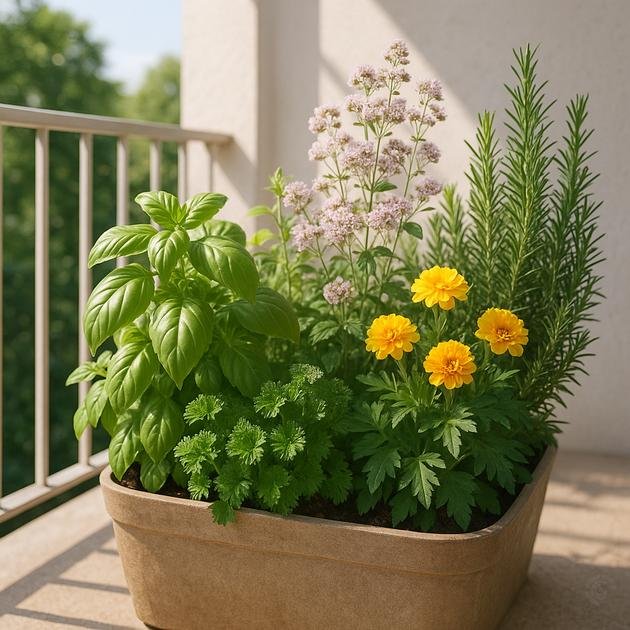
Lighting is the foundation for healthy container plants. Most herbs and leafy greens need several hours of bright light each day. If space is limited, place containers near sunny windows or use light-colored surfaces to reflect light.
Lighting basics
Direct sun supports flowering and fruiting; partial shade can be enough for leafy greens. Rotate pots weekly to keep growth even and prevent sunburned spots.
Temperature and airflow
Maintain a stable indoor or balcony temperature and avoid sudden swings. Ensure good airflow around pots to slow the development of diseases. If indoors, a small fan can help circulate air without drying plants.
Watering basics
Water deeply when the top inch of soil feels dry. Use a watering can or gentle spray to reach the soil base. Make sure drainage holes stay clear and never let pots sit in standing water. Mulching the surface helps conserve moisture.
Seasonal planting ideas for year-round color
Seasonal planting ideas help keep container gardens vibrant year-round, blending color, texture, and interest across seasons.
Spring color ideas
Choose hardy, cool-season annuals like pansies, violas, snapdragons, and primroses. Plant them in groups for bold color and mix with fresh herbs to add scent.
Place in full sun and ensure moist, well-drained soil. Use a light potting mix and feed lightly with a balanced fertilizer to encourage growth.
Summer color ideas
Bright, warm-season bedding plants such as geraniums, zinnias, marigolds, and tropicals thrive in full sun. Combine with trailing begonias for spillover color.
Water deeply in the morning to prevent heat stress. Use mulch to maintain soil moisture and rotate pots for even sun exposure.
Autumn color ideas
Seasonal textures include chrysanthemums, kale, ornamental peppers, and dusty miller. Pair with early bulbs to extend color into late autumn.
Consider container arrangements with warm tones like copper, orange, and plum. Protect delicate leaves from heavy rain with light covers if needed.
Winter color ideas
Evergreens and cool-weather blooms keep interest when days shorten. Pansies, violas, primulas, and evergreen topiaries maintain color.
Use compact evergreens and annuals in containers that can be moved indoors if frost is severe. Ensure containers provide drainage and insulation to protect roots.
Year-round rotation tip
Plan a simple rotation schedule so each season has dedicated plants. Replace a few containers each season to refresh color without overhauling the entire setup. Label each pot to remember plant types and care needs.
AI image prompt
Prompt: Based on the above content, craft an English prompt for an AI image generator that depicts a balcony garden with a cohesive year-round color story. Include four sections showing spring, summer, autumn, and winter colors in mixed containers, natural daylight, varied textures, and a realistic outdoor setting; no text in the image.
Common problems and quick fixes
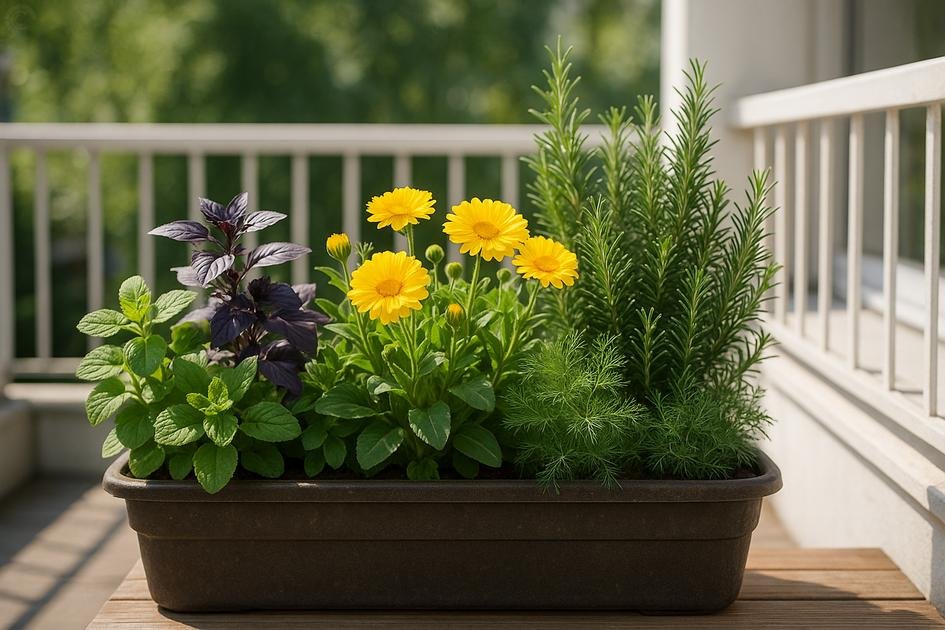
Common problems in container gardening typically stem from water, light, pests, or nutrients. Recognizing signs early helps you act quickly and keep plants healthy.
Watering problems
Symptoms: leaves that are limp or yellow, soil that stays soggy, or a crust on the surface. Fixes: water only when the top inch of soil is dry, ensure drainage holes are clear, and use mulch to hold moisture. Avoid letting pots sit in standing water and adjust the schedule for weather.
Light and temperature challenges
Symptoms: leggy growth, pale leaves, or plants that wilt in bright sun. Fixes: move to brighter spots, use shade during peak sun, or add a grow light indoors. Ensure good airflow around pots to prevent mold.
Pests and diseases
Common pests: aphids, whiteflies, and spider mites. Signs: sticky leaves or visible pests. Fixes: rinse with water, apply Neem oil or insecticidal soap, and quarantine new plants.
Nutrient deficiencies
Symptoms: yellowing between leaf veins, slow growth, or poor flowering. Solutions: use a balanced fertilizer per label directions, avoid overfertilizing, and flush soil if salt buildup is visible.
Seasonal adjustments
Tip: adapt watering and fertilization with weather, rotate containers, and refresh soil each season to maintain vigor.
AI image prompt
Prompt: Based on the above content, craft an English prompt for an AI image generator that visualizes a balcony garden showing common problems and quick fixes across multiple containers, including under and overwatering signs, pests, nutrient issues, and seasonal adjustments, in a cohesive scene with natural daylight and a variety of plant types, with no text in the image.