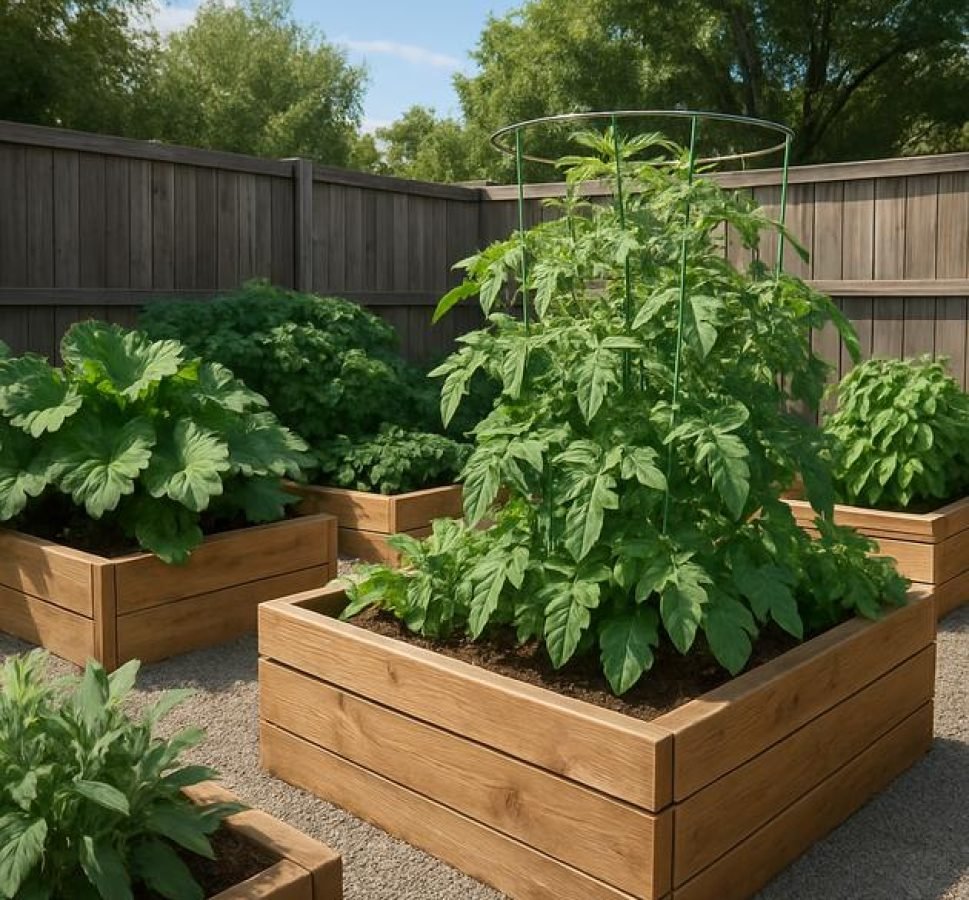
shade plants for beginners can transform a shady patio into a lush, low-maintenance oasis. In this guide, we’ll cover how to choose reliable plants, understand light and soil needs, and start simple care routines without turning your space into a jungle.
What are shade plants and why they’re beginner-friendly
shade plants for beginners are plants that thrive in low to filtered light and require minimal upkeep, making them ideal for new gardeners or shady spaces.
Defining shade plants
Shade plants prefer indirect light and do well in areas with less than 4-6 hours of sun per day. They tolerate cooler temperatures and often reward with lush foliage or subtle blooms while thriving in moist, well-drained soil.
Why they’re beginner-friendly
Many shade varieties tolerate uneven watering and adopt-friendly soil. They typically resist pests better and offer quick visual rewards, helping newcomers gain confidence as they see results with little effort.
Starter picks for a beginner-friendly shade garden
Hosta varieties bring broad leaves and gentle color with minimal care. Ferns add delicate texture and tolerate deep shade. Heuchera provides year-round color with modest maintenance. Caladium offers striking foliage in bright shade, if you choose climate-appropriate varieties.
Simple care tips
Water when the top inch of soil is dry, and apply mulch to retain moisture. Use soil that drains well and avoid over-fertilizing. Group plants with similar light needs to simplify care, and watch for common pests like slugs or aphids in damp shade areas.
Light and soil basics for shade-loving plants
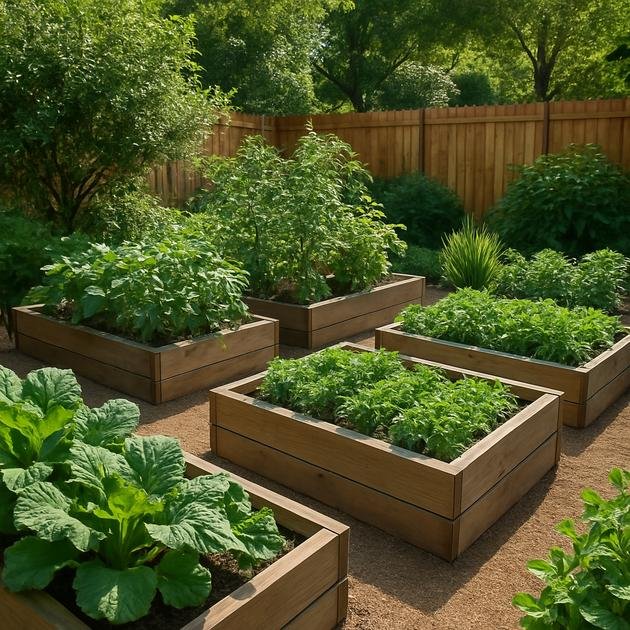
Shade-loving plants thrive where light is filtered or limited, making the right light level a key to success. They also rely on soil that retains moisture without becoming soggy.
Light levels for shade-loving plants
Many shade plants do best with indirect light or dappled shade. Too much direct sun can scorch leaves, while too little light can slow growth. If your space receives a few hours of filtered sun, you can grow a wide range of species. Observation and adjustment helps you tailor light to each plant’s needs.
Soil basics for shade lovers
Choose soil that drains well but can hold moisture. Enrich with organic matter like compost to improve texture and nutrients. Mulch helps retain moisture and moderates soil temperature. If drainage is poor, amend with organic matter or sand to improve structure.
Watering and maintenance
Water when the top inch of soil feels dry to the touch. In shade, evaporation is slower, so you may water less often than in sunny beds. A thin layer of mulch reduces evaporation and keeps roots cool. Watch for signs of overwatering (yellowing leaves, soggy stems) and adjust accordingly.
Top beginner-friendly shade plants to start with
Top beginner-friendly shade plants are ideal for shady corners and busy schedules, offering reliable growth with simple care.
Top picks for beginners
Hosta varieties provide lush foliage with minimal fuss. They prefer consistent moisture and benefit from mulch to keep roots cool.
Ferns such as maidenhair and sword ferns bring texture and thrive in low light. Water regularly but avoid soggy soil.
Heuchera (coral bells) adds color year-round with light maintenance. Plant in well-drained soil and shield from harsh winds.
Caladium offers striking leaves in bright shade; in warm climates it thrives with regular moisture and protection from direct sun.
Astilbe can bloom in shade, adding color; keep soil evenly moist and mulch to reduce temperature swings.
Care tips and common problems for shade plants
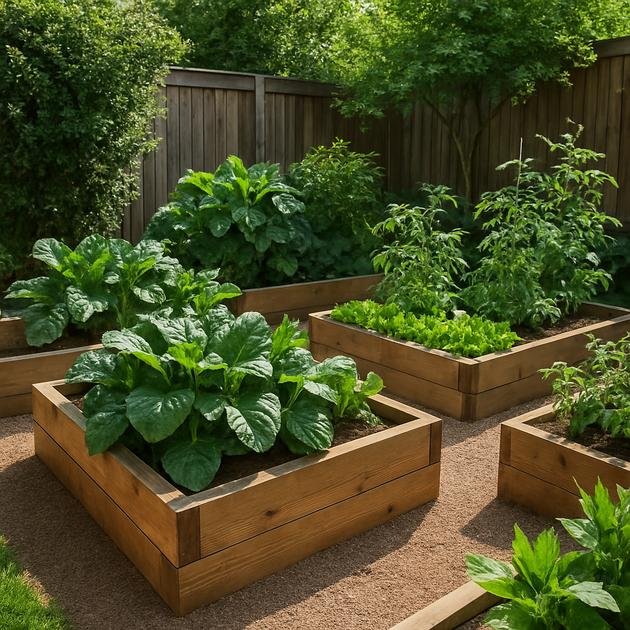
Care tips for shade plants help keep them healthy with minimal effort in low light conditions.
Watering basics
Shade plants typically require evenly moist soil. Check the top inch; water when it feels dry. Apply mulch to retain moisture and reduce temperature swings. Water deeply to reach the roots, especially in warm periods.
Light and placement
Most shade lovers thrive in indirect light or dappled shade. If leaves look pale or stretch for light, adjust by moving to a brighter spot or shielding from intense sun.
Soil and feeding
Use well-draining soil enriched with organic matter. Fertilize lightly in spring with a balanced mix and avoid over-fertilizing, which can burn roots. Mulch helps maintain soil temperature and moisture.
Pests, diseases, and prevention
Common pests include slugs, snails, and aphids. Inspect undersides of leaves and apply gentle controls. Ensure good airflow to prevent fungal spots; prune or remove affected leaves.
Common problems and quick fixes
Yellowing leaves may signal overwatering or nutrient deficiency—check moisture and soil nutrients. Brown tips often indicate low humidity or fertilizer salts; adjust watering and wipe the blades clean. Slow growth can mean too little light; rotate plants for even exposure.