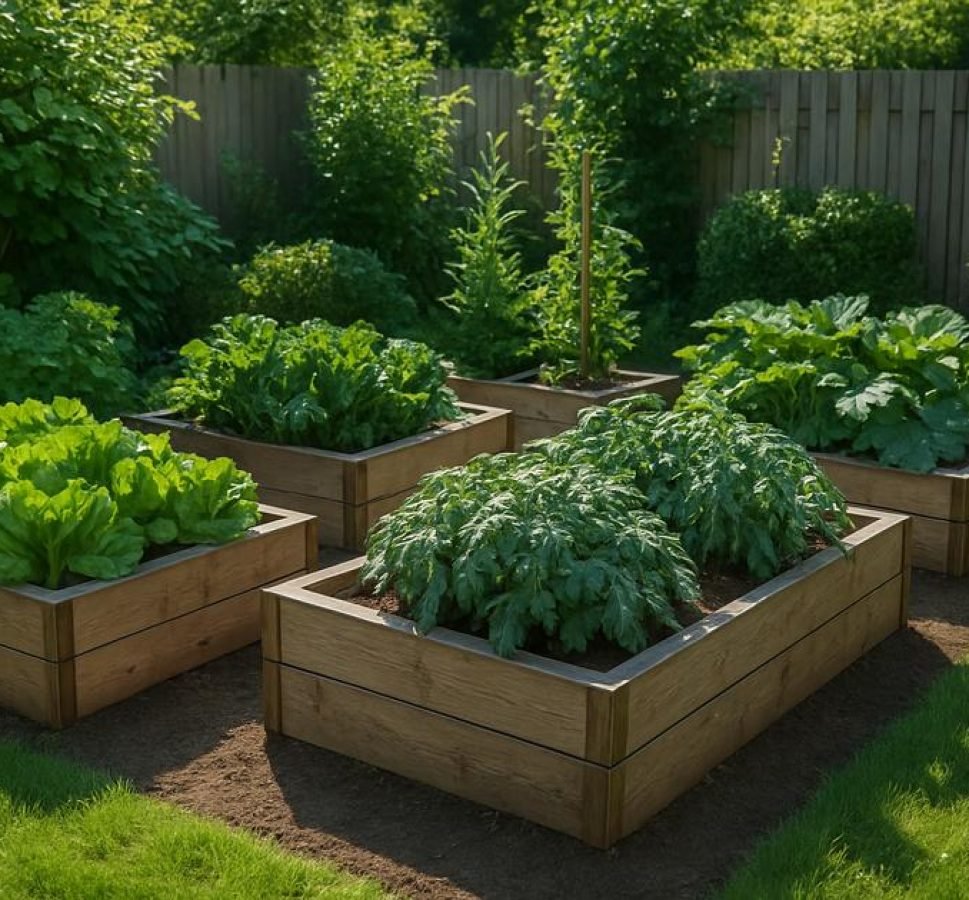
houseplant care tips outline a practical month-by-month routine to keep your plants thriving. Ever wondered why some plants bounce back after winter while others sulk? This guide breaks it down into simple steps you can follow today.
why monthly care matters for houseplants
Monthly care matters for houseplants because steady attention keeps roots healthy, leaves vibrant, and small problems from escalating.
Consistency builds resilience
Establishing a predictable routine—watering, lightweight feeding, and checking soil moisture—helps plants adjust to indoor conditions and reduces stress during dry periods or seasonal shifts.
Tailor to the plant’s needs
Different species have distinct rhythms. Houseplant care should account for light levels, pot size, and soil type to avoid overwatering and nutrient gaps.
Practical monthly actions
Each month, perform a quick checklist: inspect leaves for pests, prune dead tissue, refresh topsoil if needed, and rotate pots for even growth.
water and humidity: a monthly checklist
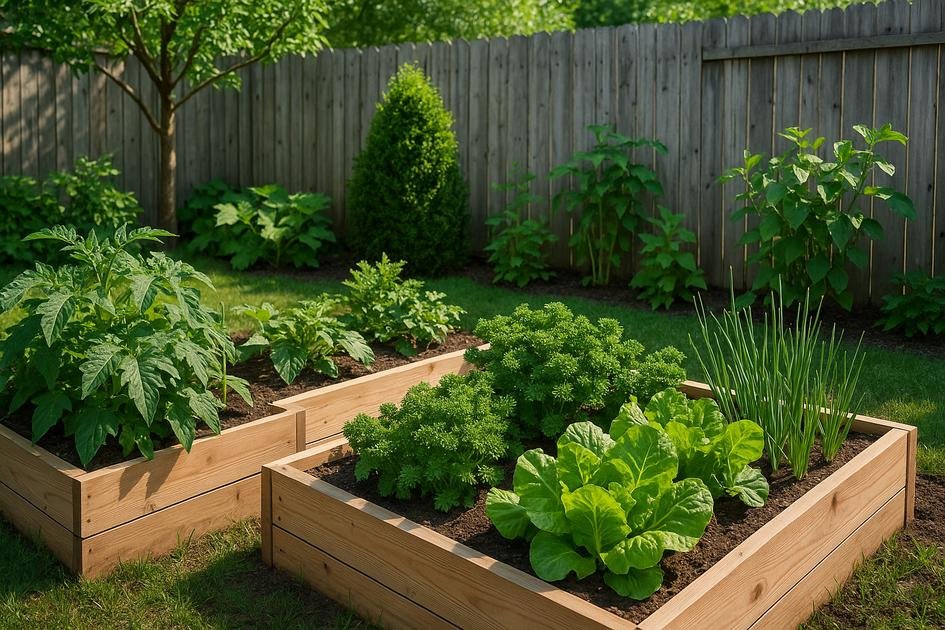
Water and humidity are essential for healthy houseplants. A monthly checklist helps you prevent overwatering, root rot, and mold, while keeping foliage glossy.
Monthly water checks
Test moisture in the top 2 to 3 cm of soil with your finger or a moisture meter. Water when it feels dry, using a container with drainage to avoid soggy roots. Empty saucers after watering to prevent standing water.
Managing humidity for different plants
Group plants with similar humidity needs. Use a humidity tray or a small humidifier near tropical varieties. Mist occasionally, but avoid leaving leaves wet for long periods, which can invite fungal issues.
Seasonal adjustments
Winter often means slower growth and less water. Increase checks in hot months to offset faster evaporation. Watch for signs like drooping tips or yellowing leaves as signals to adjust moisture and humidity.
light, soil, and feeding by season
Light, soil, and feeding by season shape indoor plant growth, helping you align care with natural cycles.
Seasonal light needs
Most tropical plants enjoy bright, indirect light. In winter, shorten the day by placing plants near a window with filtered sun or using a short artificial light cycle. In summer, provide stronger light but monitor for leaf scorch. Rotate plants for even growth to maximize light exposure.
Soil and repot timing
Use well-draining soil and check pots for root crowding each season. Repot when roots fill the container, typically every 1-2 years. Fresh soil improves aeration and nutrient access, and helps prevent compacted roots.
Feeding cues by season
Fertilize during active growth months—spring and summer—at a reduced rate to avoid fertilizer burn. In fall and winter, cut back or pause feeding as growth slows. Look for signs like pale new leaves or slow shoot development to adjust your schedule.
common problems and quick fixes for beginners
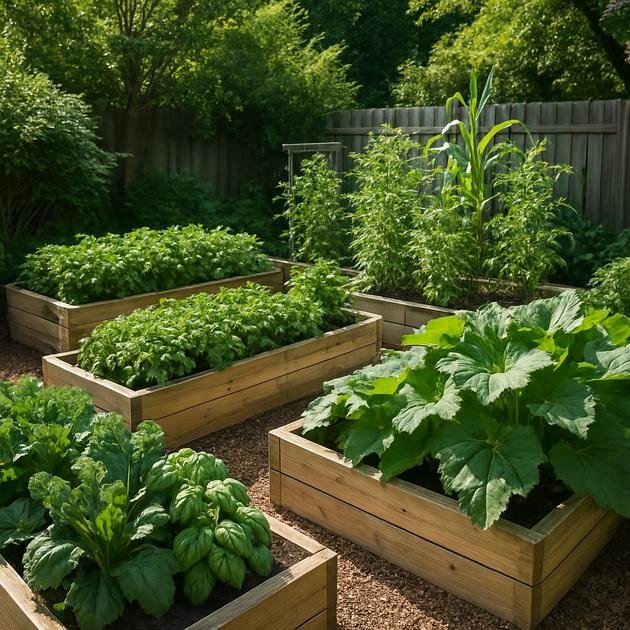
Common problems and quick fixes for beginners help you handle typical plant-care issues without frustration. Start by spotting signs early and applying simple, practical fixes to keep plants healthy and thriving.
Overwatering is a frequent problem. If the soil stays wet, pause watering, let the top layer dry, and ensure drainage. If roots look mushy or smell funky, repot with fresh, well-draining soil and check the pot’s drainage.
Pests such as aphids or mites can appear. Wipe leaves with a damp cloth, rinse the plant, and move it away from others. For heavy infestations, apply a safe, approved treatment and repeat as needed.
Underwatering shows as drooping leaves or brown edges. Water deeply until water drains from the bottom, then check soil depth before next watering to prevent drought stress.
Low humidity causes brown leaf tips and crisp edges. Increase humidity with a tray of water, group plants together, or use a humidifier. Avoid misting too much to prevent fungal disease.
Lighting issues show up as pale leaves or leggy growth. Move plants to brighter indirect light, rotate pots for even exposure, and consider artificial light if natural light is weak.
Nutrient deficiency appears as pale new growth or slow development. Feed with a balanced, diluted fertilizer during active growth months and avoid overfertilizing.