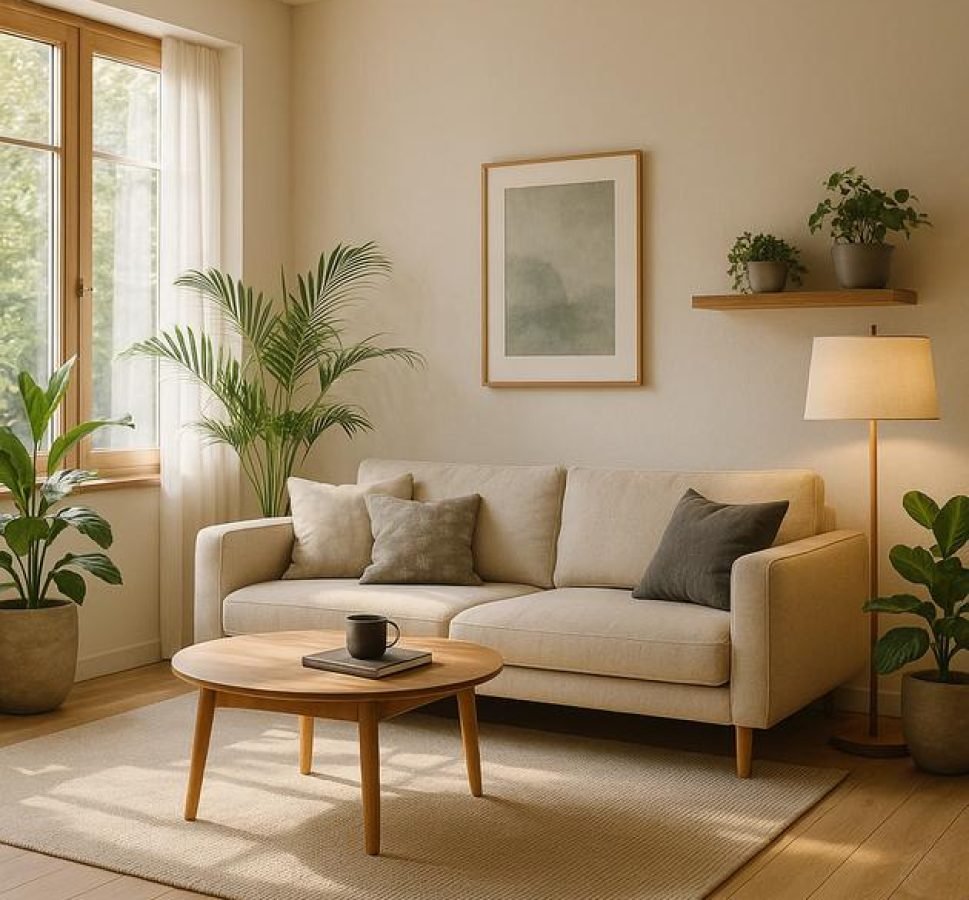
warm living room mirrors can turn a bland wall into a cozy focal point—have you tried placing one to bounce golden light across the sofa? These ten ideas mix quick swaps and simple staging to warm your space without a major redo.
Choosing mirror shapes and sizes to enhance warmth
Pick mirror dimensions that match furniture and room proportions to add warmth and balance visual weight. A mirror that’s too small looks lost; too large can feel heavy.
Practical sizing rules
Above a sofa or console, aim for about two-thirds of the furniture width. For example, an 84-inch sofa pairs well with a mirror roughly 56 inches wide. Hang the mirror so its center sits around 58–64 inches from the floor for comfortable viewing.
For floor mirrors, choose a height of 5–6 feet (150–180 cm) to reflect people and light. When grouping smaller mirrors, keep gaps tight—2–4 inches between frames—so the cluster reads as one cohesive piece.
Shape choices and placement
- Round and oval mirrors soften hard lines and scatter light gently, making a room feel cozier.
- Horizontal mirrors widen narrow rooms or work well above long furniture; vertical mirrors add perceived height in rooms with low ceilings.
- Mixed-shape clusters mimic a window and boost reflected warmth when placed near a lamp, fireplace, or sunlit wall.
Match mirror scale to ceiling height: tall, narrow mirrors suit high ceilings; mid-height pieces fit standard rooms. Place mirrors to catch warm light or a favorite vignette—not clutter or the TV. Try leaning a medium mirror against a side wall to bounce lamp light into a dark corner.
Selecting frames and materials that add cozy texture
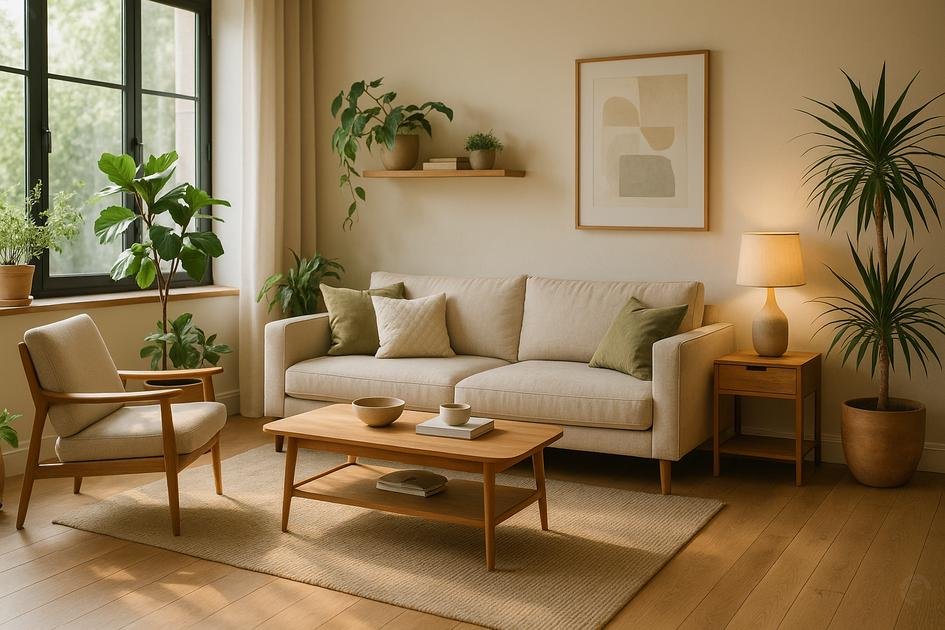
Choose frames and materials that feel tactile and layered to make a living room instantly cozier. Textured frames catch light softly and invite touch, creating a warm, lived-in look without overwhelming the space.
Materials that warm the room
Warm woods (oak, walnut, reclaimed pine) bring natural grain and amber tones. Rattan or cane adds organic texture and a casual, sunlit vibe. Brushed brass or aged bronze lends a soft metallic glow that reads warm at eye level. Fabric-wrapped frames in linen or velvet create a plush edge that pairs well with sofas and cushions.
Frame styles, size, and finish tips
- Opt for frame widths of 2–4 inches for medium mirrors; wider frames suit statement pieces. Thin frames work for minimalist rooms.
- Matte and brushed finishes reduce glare and look cozier than glossy chrome.
- Beveled glass or a floated frame adds depth and a subtle shadow line—this increases visual warmth.
- Distressed or patinaed finishes give mirrors a vintage charm that softens modern lines.
How to mix materials and colors
Repeat one or two frame tones across the room—for example, a walnut mirror plus a walnut coffee table—to create harmony. Mix a brass-framed mirror with wood furniture by tying the brass to lamp bases or picture frames. Keep contrast gentle: pair rough textures (reclaimed wood) with smooth ones (brushed metal) to balance tactile interest.
Place textured frames near soft fabrics like a velvet sofa or wool rug so the materials speak to each other. Lean a narrow rattan mirror against a wall beside a lamp to let woven shadows warm a dark corner.
Practical care and mounting
Seal porous materials like natural wood or cane to protect finishes from sunlight and humidity. Use secure anchors for heavy frames; a floating frame or ledger hook helps distribute weight. Clean metals with a soft cloth and gentle cleaner to preserve patina without stripping warmth.
Placement and lighting techniques to amplify natural glow
Place mirrors to catch and spread the sun’s warm light, not to amplify glare or clutter. Small moves—like angling a mirror slightly—can bounce golden light into dark corners and make the room feel sunnier.
Mirror placement tips
- Hang or lean a mirror opposite or adjacent to a south- or west-facing window to reflect warm daylight.
- Angle wall mirrors downward or tilt floor mirrors back slightly to direct light across seating areas.
- Keep the mirror center near 58–64 inches from the floor for natural sight lines and even reflection.
- When grouping mirrors, arrange them so reflections show light sources (windows, lamps) rather than electronics or blank walls.
Lighting strategies to enhance glow
Layer light for depth. Use warm LED bulbs (2700–3000K) in table lamps and fixtures. Place a lamp behind or beside a mirror so the glass scatters the lamp’s warm glow into the room.
- Install dimmers to soften overhead light and keep a cozy feel after sunset.
- Wall sconces flanking a mirror give balanced, flattering light and create a warm focal point.
- Position small uplights or picture lights to wash a textured frame and produce gentle highlights.
Avoid reflections that cool the room
Don’t aim mirrors at stark white walls, blank TVs, or cool-toned artwork. Those reflections can reduce warmth. Instead, show wood surfaces, lamps, rugs, or plant life in the reflected view.
Simple setups to try tonight
- Lean a medium mirror behind a table lamp to double its warmth in a corner.
- Hang a mirror above a low console facing a window to widen the view and spread morning light.
- Group a round mirror with one lamp and one plant so reflections emphasize texture and color.
Small changes in placement and warm lighting often transform a living room more than big renovations. Try one option and adjust until the reflected light feels natural and inviting.
Styling mirrors with furniture, art and textiles for cohesion
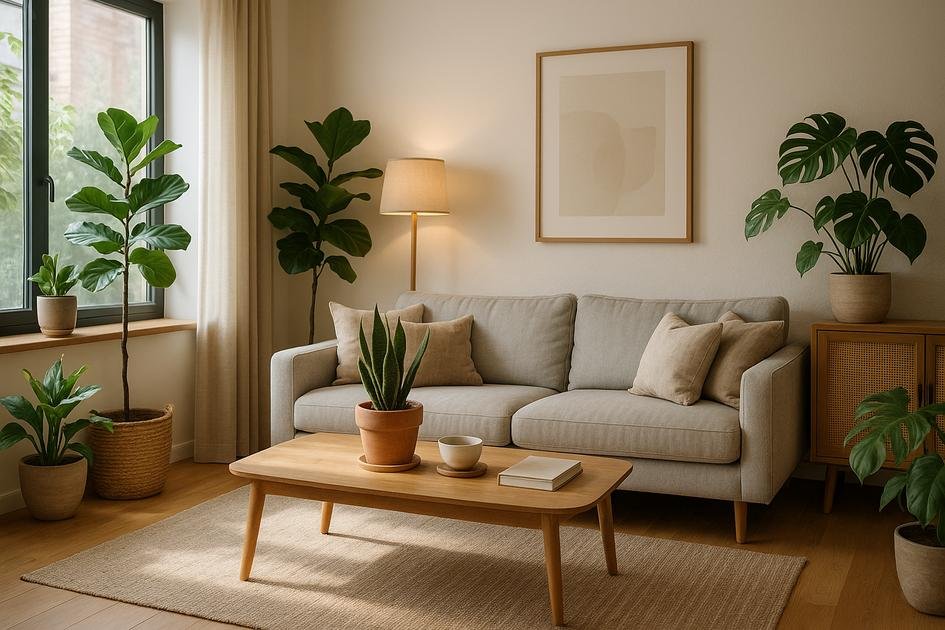
Use mirrors as styling tools to connect furniture, art, and textiles into a warm, cohesive scene. Choose a mirror that matches the room’s scale and material palette.
Create visual balance
Center a mirror above a sofa or console to anchor the vignette. Aim for a mirror width near two-thirds of the furniture piece and leave about 6–12 inches of space above the top of the sofa or console. If you prefer asymmetry, counterbalance the mirror with a tall plant or stacked books on the opposite side.
Coordinate with art and furniture
- Echo shapes: pair round mirrors with soft, curvy artwork and rectangular mirrors with linear frames and shelving.
- Repeat tones: pull a wood or metal tone from the mirror frame into nearby furniture, lamp bases, or picture frames to create visual links.
- Place mirrors so they reflect warm surfaces—wood tables, lamps, or textured art—instead of clutter or cool-toned items.
Layer textiles and accessories
Let fabrics soften reflected light. Use a rug, cushions, and throw in complementary warm hues that tie to the mirror frame. Set a lamp, vase, or small sculpture on a console in front of the mirror to create layered reflections and added depth.
Practical styling combos
- Wood console setup: brass-framed mirror, neutral runner, ceramic lamp, and a woven basket beneath for texture.
- Sofa focal point: large round mirror, paired wall sconces, and mixed cushions in warm tones for a cozy look.
- Gallery cluster: mix mirrors and small framed art with 2–3 inches spacing and one repeated frame material to keep the group cohesive.
Fine-tune placement so reflections highlight warm elements like wood grain, lamp light, or textiles. Small edits—swapping a cushion or moving a lamp—often make the whole arrangement feel more intentional and inviting.