rustic dining room color palette can change how you feel at the table—cozier, calmer, more inviting. Curious which colors work fast and why? Read on for simple swaps and real-life tips you can try tonight.
Choosing a base palette: warm neutrals and accent hues
Start by choosing a clear base of warm neutrals that will anchor the room. Pick one dominant wall color and two supporting neutrals to create a calm backdrop for wood, metal, and textiles.
Pick a dominant neutral
Choose a warm beige, soft taupe, or creamy off-white as your main color. These tones hide wear, reflect soft light, and pair well with rustic wood. Keep the dominant color on walls and large pieces like cabinets or a buffet.
Add supporting neutrals and texture
Use a slightly darker neutral for trim or a feature wall—think warm gray or mushroom. Add texture through matte paint, plaster, or a limewash finish to emphasize rustic character without adding busy color.
Use accent hues with intent
Introduce one or two accent hues to bring life: muted terracotta, olive green, deep navy, or burnt ochre work well. Apply accents in smaller doses—chairs, textiles, rug, or a painted door—to keep the room grounded.
- 60/30/10 rule: 60% dominant neutral, 30% secondary neutral, 10% accent color.
- Test swatches in different light across the day before committing.
- Match accents to wood tones: warm woods pair with terracotta and ochre; cool woods suit olive and navy.
Practical pairings and quick swaps
Try these combos: cream walls + warm walnut table + olive-green napkins; soft taupe walls + honey pine + terracotta ceramics; warm gray walls + reclaimed oak + navy upholstered chairs. For a fast refresh, swap pillows, a runner, or a painted centerpiece in your accent hue.
Keep finishes simple: satin or eggshell on walls, matte on textured surfaces, and a touch of aged metal for contrast. These choices make color blends feel intentional and easy to maintain.
Paint and finish choices that enhance rustic textures
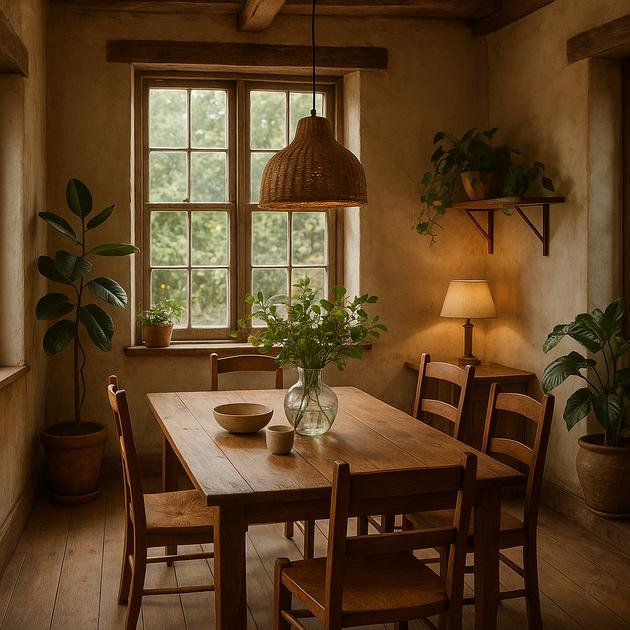
Choose finishes that highlight surface flaws and grain instead of hiding them. For a truly rustic feel, prefer matte or eggshell sheens on walls; they soften light and reveal texture without glare.
Recommended paints and finishes
Matte and eggshell paints work best on broad walls and plaster. They mask small repairs and let wood and stone stand out.
Limewash and milk paint add aged depth. They soak into porous surfaces for a layered, uneven look that feels authentic.
Use satin sparingly on trim or cabinetry where slight washability is needed. Avoid high gloss, which reads modern and hides texture.
Application techniques that reveal texture
- Dry brushing: drag a nearly dry brush over a surface to show brushstrokes and grain.
- Whitewashing or thin limewash layers create subtle color variations and let plaster breathe.
- Layering two close tones—apply a darker base, then a lighter scumble—adds visual depth.
Pairing finish with materials
Match paint technique to the material. Rough plaster welcomes limewash; smooth drywall responds well to eggshell. Reclaimed wood looks best with oil or matte wax, not glossy varnish.
Sheen, protection and upkeep
Choose low sheen for walls and matte finishes for beams. Add a clear, matte protective topcoat in high-traffic spots to prevent wear without adding shine.
For touch-ups, keep a small can of the same batch paint and note the technique used—reapplying the same method keeps patches invisible.
Test and view in real light
Always test large swatches and observe them at three times of day. Natural light and warm bulbs change how texture and color read. Small samples help avoid surprises.
Layering textiles, wood and metal for depth and comfort
Layering textiles, wood and metal brings warmth and depth to a rustic dining room. Start with a solid wooden anchor like a reclaimed table, then add soft fabrics and a few metal accents to balance weight and shine.
How to layer like a pro
Use three textile layers on the table: a woven rug under the table, a linen runner across the center, and soft napkins at each place. Vary scale and texture so each layer reads clearly—coarse weave, smooth linen, and a knitted accent work well together.
Mixing wood tones and finishes
Keep one dominant wood tone for large pieces, and introduce a second, contrasting wood in chairs or décor. Warm woods like walnut or pine pair with terracotta accents, while cooler oak suits olive or navy textiles. Let the wood grain show; it adds visual interest.
Adding metal for contrast
Use metal sparingly to add sparkle and edge. A single iron pendant, brass candlesticks, or aged-steel flatware can lift the palette without feeling modern. Aim for mixed metals that share a worn or brushed finish.
- Balance: heavy wood + soft textiles + small metal touches.
- Scale: large textures on the floor, medium on the table, small at each place setting.
- Color ties: pull accent textile colors into ceramics or greenery for cohesion.
Quick swaps to try: change napkins and seat cushions for a seasonal hue, add a woven runner for texture, or swap a pendant to alter the metal tone. Small changes make the room feel refreshed without a full redesign.
Quick styling tweaks to shift mood and light
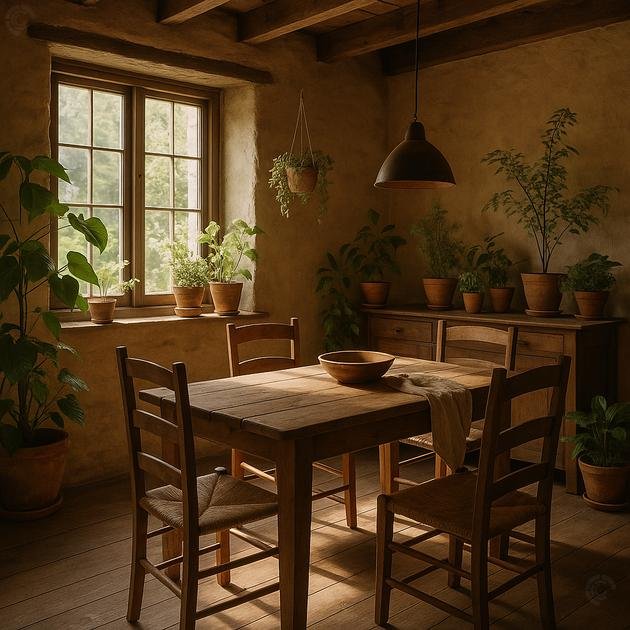
Small swaps can change a room’s mood in minutes. Focus on light, textiles and a few reflective surfaces to shift warmth and brightness quickly.
Lighting fixes that matter
Swap bulbs to alter tone: warm (2700K) for cozy evenings, neutral (3000K) for true color during meals. Add a dimmer to control mood without changing fixtures.
Use layered light: a central pendant for task light, wall sconces for ambience, and candles for soft, flickering warmth.
Textiles and soft accents
Change napkins, cushions or a table runner to tweak color and texture. Lighter fabrics reflect more light; darker or heavier fabrics make the room feel intimate.
- Swap rule: summer: linen and pale colors; winter: wool or knit in deeper tones.
- Place a woven runner or lighter rug to brighten the floor area near the table.
Reflective tricks and placement
Add a mirror opposite a window to bounce natural light. Move a metallic tray or brass candlesticks to catch and spread light from a lamp or candle.
Quick decor swaps
Replace a centerpiece with greenery for freshness or with terracotta pieces for warmth. Rotate art or textiles between rooms to test new palettes without buying anything.
Small, strategic changes make a big visual difference. Try one tweak at a time and view the room at different times of day to find the best mix.