Natural air fresheners are homemade or plant-based solutions—like citrus sprays, simmer pots, baking-soda absorbers, reed diffusers and wax or gel solids—that neutralize odors and add fragrance with non-toxic ingredients; they are inexpensive, customizable, and safer for many households when used with low essential-oil concentrations and proper pet and fabric precautions.
natural air fresheners are easier than you think—quick recipes using citrus peels, herbs and essential oils can freshen any room. Want a simple spray or a simmer pot? Read on and pick a few to try tonight.
Quick citrus sprays: make-and-use recipes
Quick citrus sprays freshen rooms fast using citrus peels, water and a small amount of alcohol as a preservative. They work well on upholstery, curtains and as a light room mist.
Basic citrus room spray (ready in 30 minutes)
Ingredients: peels from 2 oranges or lemons, 1 cup boiling distilled water, 1 tablespoon vodka or witch hazel, 10–15 drops of a complementary essential oil (optional).
Steps:
- Place peels in a heatproof jar and pour boiling water over them.
- Cover and let steep for 20–30 minutes until fragrant.
- Strain the liquid into a bowl, add vodka or witch hazel and essential oil if using.
- Pour into a 4–8 oz glass spray bottle, label and shake before each use.
Light linen spray (gentle for fabrics)
Mix 1 cup distilled water, 2 tablespoons vodka, 6 drops lemon or sweet orange oil. Test a hidden fabric area first. Spritz lightly from 8–12 inches to avoid wet spots.
Odor-busting citrus spray
For stronger odors, use 1 cup distilled water, 3 tablespoons vodka and 15 drops of grapefruit or lime essential oil. The higher alcohol ratio helps neutralize smells faster. Use sparingly on fabrics.
Easy peel-infused variant (no essential oils)
Infuse citrus peels in hot water as above and add a teaspoon of baking soda to the strained liquid to help lift persistent musty smells. Stir until dissolved; strain again if needed before bottling.
Useful ratios and tips
Ratio guide: 1 cup water : 1–3 tbsp alcohol : 6–15 drops essential oil. More alcohol increases shelf life and odor control. Less oil avoids overpowering scent.
Always shake before spraying. Use glass bottles when possible to avoid plastic absorption of oils and scents. Store in a cool, dark place or refrigerate for longer freshness.
Application and safety
Spray into the air or onto fabrics from 8–12 inches. Test a hidden spot on delicate fabrics first. Keep sprays away from eyes and open flames.
Pet and child safety: some essential oils and concentrated citrus can irritate pets, especially cats. Avoid tea tree, eucalyptus and large amounts of citrus oil around cats. Use mild recipes and consult your vet if unsure.
Variations and scent pairings
Try orange + clove for a warm scent, lemon + peppermint for freshness, or grapefruit + rosemary for an herbaceous note. Combine small amounts to find your favorite blend.
Simmer pots and stovetop blends that last
Simmer pots release steady, warm scents that fill a room for hours. Use simple ingredients like citrus, spices and herbs to build blends that last through a few hours of low heat. These methods work on a stovetop or in a slow cooker.
Basic simmer pot blend
Ingredients: 4 cups water, peels from 1 orange, 1 lemon, 2 cinnamon sticks, 3 whole cloves, 2 slices fresh ginger. Add a sprig of rosemary or a few bay leaves for an herbal note.
Method:
- Combine ingredients in a small saucepan or pot.
- Bring to a gentle simmer, then reduce to the lowest heat.
- Top up with water as needed to keep ingredients just covered.
- Simmer 2–4 hours, then cool and discard solids. Refill and reuse once or twice.
Stovetop simmering tips
Keep the pot on very low heat. A rolling boil wastes scent and water. Use a lid slightly ajar to control steam release. If you need to leave the house, turn off the burner and use a slow cooker on the warm setting instead.
Long-lasting techniques
To extend fragrance life, use dried ingredients like dried orange slices, whole spices and dried herbs. Dried ingredients slowly release scent and are less likely to mold. Freeze leftover simmer liquid in ice cube trays to reuse later; thaw and simmer again with fresh peels or spices.
Scent strength and control
Adjust scent intensity by changing ingredient amounts. More citrus and fresh ginger give a bright, sharp scent. More cinnamon, clove or vanilla adds warmth. Keep a 4:1 water-to-solid ratio to avoid overly concentrated steam.
Popular stovetop blends
- Winter cozy: orange peels + cinnamon + clove + vanilla bean.
- Fresh and clean: lemon peels + eucalyptus sprigs + a few mint leaves.
- Herbal kitchen: rosemary + thyme + lemon slices + a bay leaf.
- Spicy citrus: grapefruit peels + star anise + ginger.
Maintenance and reuse
Strain and discard solids after each long simmer to avoid sour smells. Rinse the pot well. You can keep strained liquid in the fridge up to 48 hours and reuse once with a small handful of fresh spices or herbs.
Safety and pet considerations
Never leave an unattended pot on high heat. Use a heat-safe pot and keep handles turned inward. Pets: avoid strong essential oils and large amounts of eucalyptus, tea tree, cinnamon or citrus if you have cats or dogs. Open windows briefly after simmering to ventilate the space.
Essential oil room sprays: ratios and tips
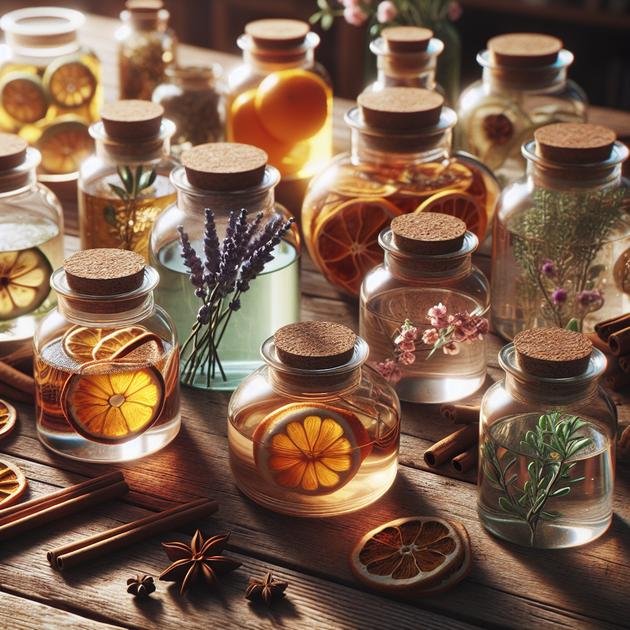
Essential oil room sprays let you freshen a space fast. Use simple ingredients and clear ratios to get consistent results every time.
Basic ratios
Ratio guide: 1 cup (240 ml) distilled water : 1–2 tablespoons vodka or witch hazel : 10–30 drops essential oil. For a light linen spray use 6–10 drops; for a strong room mist use 20–30 drops.
How to mix
- Pour the alcohol into a glass spray bottle first. Alcohol helps the oil disperse and extends shelf life.
- Add your chosen essential oils to the alcohol and swirl gently.
- Top up with distilled water, leaving a small air gap, and attach the sprayer.
- Shake well before each use to recombine the oils and water.
Quick recipes
- Fresh citrus: 12 drops sweet orange + 6 drops lemon.
- Calming floral: 10 drops lavender + 6 drops bergamot.
- Herbal clean: 10 drops lemon + 6 drops rosemary + 4 drops eucalyptus.
Application tips
Test a hidden fabric spot before spraying upholstery or clothing. Hold the bottle 8–12 inches away and spray lightly. Shake well to keep the scent even. Use glass bottles to avoid plastic absorbing oils.
Storage and shelf life
Storage: keep sprays in amber or cobalt glass away from direct sun and heat. With 1–2 tablespoons of alcohol, expect 3–6 months of usable life. Without alcohol, refrigerate and use within 2–4 weeks.
Safety and pets
Some essential oils can harm pets and young children. Avoid tea tree, eucalyptus, large amounts of peppermint, cinnamon and clove around cats. Use low concentrations and ventilate the room after spraying. Consult a vet if unsure.
Troubleshooting
If the spray separates or looks cloudy, shake before use or add a small amount of solubilizer like a food-grade emulsifier. If the scent is weak, add 5–10 more drops but increase slowly to avoid overpowering rooms.
Baking soda and activated charcoal for odor control
Baking soda and activated charcoal are simple, low-cost ways to control odors without masking them. Baking soda neutralizes acids and odors, while activated charcoal adsorbs molecules on its porous surface. Both work quietly and can be placed almost anywhere.
DIY baking soda odor absorber
Use an open container or small jar with holes in the lid. Fill halfway with baking soda and add 3–5 drops of an essential oil if you want a light scent. Place in refrigerators, closets, or trash areas.
Recipe:
- 2 tbsp baking soda for small spaces (shoe cabinet, car)
- 1/2 cup for medium spaces (closet, bathroom)
- 3–4 drops essential oil (optional)
Activated charcoal pouches
Activated charcoal works well in tight spaces and areas with strong odors. Use charcoal granules in small muslin or cotton bags, or recycled tea filters tied closed. Charcoal doesn’t add scent; it simply traps odor molecules.
How to fill:
- Fill a 3×4 inch muslin pouch with 2–3 tablespoons of activated charcoal.
- Sew or tie the pouch securely and place where needed: shoes, gym bags, pet areas, or vents.
Placement and coverage
Where to put them: fridge shelves, shoe racks, laundry bins, under sinks, inside closets, and near litter boxes. One small pouch can freshen a shoe rack; use multiple pouches for a large closet.
Maintenance and lifespan
Baking soda should be replaced every 1–3 months for best results. Activated charcoal pouches can last 3–6 months; refresh by placing pouches in direct sunlight for a few hours to help desorb trapped odors, then reuse.
When to choose which
Choose baking soda for mild, food-related, or damp odors. Pick activated charcoal for stronger, persistent smells like smoke, mildew, or pet odors. You can use both: baking soda for enclosed areas and charcoal for porous materials.
Safety and tips
Keep both materials out of reach of children and pets; do not ingest. Avoid sprinkling baking soda directly on delicate fabrics unless you vacuum it away after a short period. Mark or store pouches in breathable containers so they stay dry.
Quick troubleshooting
If an area still smells, wash textiles or clean the source of odor first. Replace baking soda and charcoal regularly and increase quantity or number of pouches for large or stubborn spaces.
DIY reed diffusers and scent sachets
Reed diffusers and scent sachets are quiet, low-maintenance ways to scent your home. Reed diffusers release fragrance continuously, while sachets add scent to drawers, closets and shoes.
Materials for reed diffusers
- Small narrow-neck glass bottle or vase
- Rattan or bamboo reeds (6–10 sticks)
- Carrier liquid: fractionated coconut oil, sweet almond oil, or dipropylene glycol (DPG)
- Or solvent option: vodka (high-proof) to help oils evaporate
- Essential oils or fragrance blends
- Funnel and measuring cup
Reed diffuser recipes and steps
Oil-based (simple, long-lasting): 1/4 cup carrier oil + 25–40 drops essential oil. Mix in bottle, insert reeds.
Alcohol-based (stronger initial throw): 1/4 cup vodka + 1/3 cup distilled water + 30–40 drops essential oil. Combine, pour into bottle, add reeds.
- Use a funnel to add liquid to the bottle.
- Insert reeds and let absorb for 1–2 hours.
- Flip reeds once to prime, then flip every 3–7 days for fresh scent.
- Replace reeds and liquid every 2–3 months for best performance.
Making scent sachets
Materials: small muslin or cotton bags, dried botanicals (lavender, rose petals), rice or baking soda as a filler, and essential oils.
Simple sachet mix: 1 cup dried botanicals or rice + 10–20 drops essential oil + 1 tbsp dried herbs. Fill bag, tie or sew closed.
- For a longer lasting pouch, use dried lavender or cedar chips.
- Add a few drops of oil every 4–6 weeks to refresh scent.
Placement and care
Where to use: place reed diffusers on stable surfaces away from direct sun and heat. Put sachets in drawers, closet shelves, gym bags, or shoes.
To keep aroma steady, flip diffuser reeds weekly. Replace diffuser liquid if it becomes cloudy or weak. Keep sachets dry; moisture can cause mold or loss of fragrance.
Safety and pet considerations
Warning: some essential oils can harm pets and children. Avoid tea tree, eucalyptus, cinnamon and high concentrations around cats and dogs. Store materials out of reach and test small amounts first.
Scent pairing ideas
- Calming: lavender + chamomile
- Fresh: lemon + rosemary
- Warm: orange + clove + vanilla (few drops)
- Herbal: sage + cedar + grapefruit
Natural fabric refreshers for upholstery and linens
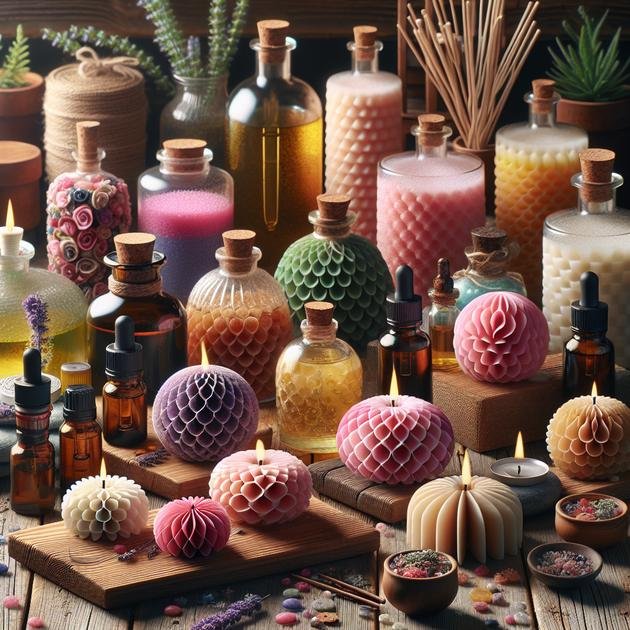
Natural fabric refreshers revive upholstery and linens without harsh chemicals. They remove light odors, reduce static and leave a gentle scent that won’t stain fabrics.
Simple linen refresher spray
Ingredients: 1 cup distilled water, 1 tablespoon vodka or witch hazel, 10–15 drops essential oil (lavender or lemon). Mix in a glass spray bottle and shake well.
Hold the bottle 8–12 inches away and mist lightly. Test a hidden seam first on delicate fabrics.
Upholstery odor lift (baking soda method)
Lightly sprinkle baking soda over the upholstery, let sit 15–30 minutes, then vacuum. For added scent, mix baking soda with 3–5 drops of essential oil, stir, and use the same way. This lifts odors without wetting the fabric.
Quick freshen for pillows and mattresses
Use the linen spray sparingly and air items well. For mattress and pillow refresh, spray lightly, let dry, then flip and vacuum. Avoid soaking; moisture can cause mold.
Stain-safe tips and testing
Always test sprays on a hidden area. Use minimal alcohol on delicate fabrics. For silk and antique textiles, skip alcohol and use only distilled water with 2–3 drops of essential oil on a cloth, blotting gently.
Fabric-specific advice
- Cotton and linens: tolerate light misting and baking soda.
- Velvet and suede: avoid liquids; use dry powder methods and a soft brush.
- Microfiber: test first; use minimal spray and blot with a clean cloth.
Storage and shelf life
Store sprays in amber glass in a cool place. With alcohol, expect 3–6 months; without, refrigerate and use within 2–4 weeks. Label bottles with the date made.
Pet and safety notes
Some essential oils can harm pets. Avoid tea tree, eucalyptus, and high amounts of citrus around cats. Use low concentrations and air the room after spraying.
Fast troubleshooting
If a scent is weak, add 3–5 more drops of essential oil. If a spray leaves a mark, blot immediately with a damp cloth and air dry. For persistent odors, clean the fabric following the manufacturer’s instructions before refreshing.
Long-lasting solid air fresheners (gel and wax)
Solid air fresheners in gel and wax form offer steady fragrance and can last for weeks. They work well in small spaces like bathrooms, closets, cars, and drawers.
Gel air freshener: easy recipe
Ingredients: 1 cup water, 2 tablespoons unflavored gelatin (or agar for vegan), 1–2 tablespoons salt, 20–30 drops essential oil, optional food-safe color.
Steps:
- Heat the water until very warm but not boiling.
- Sprinkle gelatin over the water and stir until dissolved.
- Add salt and stir; salt helps firm the gel.
- Remove from heat, mix in essential oils and optional color.
- Pour into small glass jars or silicone molds and let cool until set.
Use small open containers and place them where they won’t be knocked over. If scent fades, scrape and remix with more oil or remake fresh.
Wax solid air fresheners
Ingredients: 1 cup soy wax flakes or beeswax pellets, 1–2 teaspoons fractionated coconut oil (optional), 20–40 drops essential oil, dried botanicals for decoration (optional).
Method:
- Melt wax gently in a double boiler or heat-safe bowl over simmering water.
- Remove from heat and wait 30–60 seconds so the wax cools slightly.
- Stir in essential oils and coconut oil, then pour into silicone molds or shallow tins.
- Add a few dried flowers or citrus slices on top for a decorative touch and let set fully.
Soy wax tends to hold scent longer than paraffin and is easier to clean. Keep wax solids on a coaster or dish to protect surfaces.
Molds, placement and longevity
Use silicone molds, small glass dishes, or metal tins. Place solids out of direct sun and away from heating vents to slow scent loss. Typical life: gels 2–6 weeks; wax solids 4–8 weeks depending on oil amount and room airflow.
Fixes and scent boosters
Tips: use fixatives like a small pinch of ground cinnamon or a drop of benzoin tincture (optional) to anchor citrus or floral notes. Adding fractionated coconut oil to wax helps scent release. For gels, a slightly higher oil count increases throw but may soften the gel.
Safety and pet considerations
Keep solids out of reach of children and pets. Do not ingest. Wax is flammable—store away from open flames and heat sources. Some essential oils are toxic to pets; avoid tea tree, pennyroyal, and high concentrations of citrus or eucalyptus around cats and small animals.
Troubleshooting
- If gel is too soft, add more salt or reduce oil amount.
- If wax scent is weak, remelt gently and stir in extra drops of oil—do not overheat or burn the oils.
- If surface blooms or becomes cloudy, trim the top and refresh with a few drops of oil.
Keep extras in a cool, dark place so you can remake or top up solids when the scent fades.
Safety, storage and pet-friendly considerations
Keep safety first when making or storing natural air fresheners. Many ingredients are safe in small amounts, but some can harm children, pets, or fabrics. Store and use products with care.
Safe storage basics
Use amber or cobalt glass bottles to protect oils from light. Keep containers tightly closed and store in a cool, dark place. Label each bottle with the date made. Store sprays upright to avoid leaks.
Shelf life guidelines
- Room sprays with alcohol: 3–6 months.
- Sprays without alcohol (water-based): refrigerate and use within 2–4 weeks.
- Gel fresheners: 2–6 weeks.
- Wax solids: 4–8 weeks.
- Charcoal pouches: 3–6 months (refresh in sun).
Child and pet safety
Store all ingredients out of reach of children and pets. Use childproof caps where possible and keep small items (drops, beads, sachets) off low shelves. If a child or pet swallows a product, contact poison control or your vet immediately.
Essential oil cautions
Certain oils can be toxic to animals and sensitive people. Avoid tea tree (melaleuca), eucalyptus, pennyroyal, wintergreen, and high concentrations of peppermint, cinnamon or clove around pets. Citrus oils may irritate cats. Use low concentrations and consult a vet if unsure.
Use and ventilation
Spray lightly and ventilate rooms after use. Do a patch test on fabrics before applying sprays to upholstery or clothing. Keep diffusers and simmer pots away from open flames and never leave them unattended.
Fire and spill precautions
Alcohol and many essential oils are flammable. Store away from heat sources and open flames. Clean spills promptly by blotting with an absorbent cloth and disposing of the cloth in a sealed trash bag.
Safe disposal and recycling
Empty glass bottles can be rinsed and recycled. For leftover mixes, absorb small amounts onto paper towel and dispose in a sealed bag. For larger volumes, follow local hazardous-waste rules.
Quick emergency tips
- If skin contact causes irritation, wash with soap and water.
- If inhalation causes breathing trouble, move to fresh air.
- If ingested, do not induce vomiting; contact poison control or your vet right away.
Final tips
Natural air fresheners are simple, low-cost, and often more pleasant than harsh chemical sprays. You control the scent and ingredients.
Start with one easy recipe, like a citrus spray or a simmer pot, and test small batches to find what you like.
Safety tip: store products in cool, dark places, test sprays on a hidden fabric spot, and avoid strong essential oils around cats and dogs.
Make, tweak, and enjoy your favorite blends. Try a few this week and share what works with friends or family.