Zero waste cleaning eliminates single-use plastics and harmful chemicals by using reusable tools, natural ingredients like vinegar and baking soda, and eco-friendly routines to reduce waste and promote healthier homes and environments.
Zero waste cleaning is more than a trend — it’s a shift that can simplify your life and shrink your environmental footprint. Curious about swapping harsh chemicals and single-use plastics for greener options? Stick around, this guide breaks it down in a way that anyone can start putting to use today.
what is zero waste cleaning and why it matters
Zero waste cleaning is a method of cleaning that focuses on reducing waste, particularly single-use plastics and harmful chemicals. This approach uses reusable tools, natural ingredients, and smart habits to keep your home clean while protecting the environment. Instead of buying disposable wipes or bottles, zero waste cleaning encourages making or using products that create little or no trash.
Why zero waste cleaning matters
Traditional cleaning often relies on plastic bottles and harsh chemicals that can harm ecosystems and your health. By adopting zero waste cleaning, you contribute to less landfill waste and reduce pollution in water and air. This shift also helps conserve resources and lowers your carbon footprint.
Moreover, zero waste cleaning can be cost-effective. Natural ingredients like vinegar, baking soda, and lemon juice are affordable and multitask in various cleaning roles. Reusable cloths and glass bottles last longer than disposable alternatives, saving money over time.
Finally, this approach fosters a more mindful lifestyle, making you more aware of the products you use and their impact. By choosing zero waste cleaning, you support sustainability and create a healthier home environment for you and your family.
getting started with zero waste cleaning essentials
Starting with zero waste cleaning essentials means choosing tools and ingredients that reduce waste and avoid harmful chemicals. Some basics include reusable cleaning cloths, glass spray bottles, and natural cleaning agents like white vinegar, baking soda, and castile soap.
Reusable cleaning cloths and tools
Switch from disposable paper towels to washable cloths made of cotton or bamboo. These cloths can be used multiple times, reducing trash and saving money. You can also use scrub brushes with wooden handles, which last longer and are biodegradable.
Natural cleaning agents
White vinegar is a powerful disinfectant and deodorizer, perfect for windows and surfaces. Baking soda works well as a gentle abrasive for scrubbing and deodorizing drains or carpets. Castile soap is a versatile, plant-based soap that can clean dishes, floors, and more.
Packaging and storage
Use refillable glass or stainless steel spray bottles to avoid single-use plastics. Store bulk ingredients in airtight containers to keep them fresh and reduce packaging waste. Buying in bulk also lowers costs and pollution from transportation.
By assembling these key items, you can easily begin cleaning in a way that’s better for your home and the planet. These essentials offer a practical and effective way to embrace zero waste cleaning habits today.
how to make your own natural cleaning products
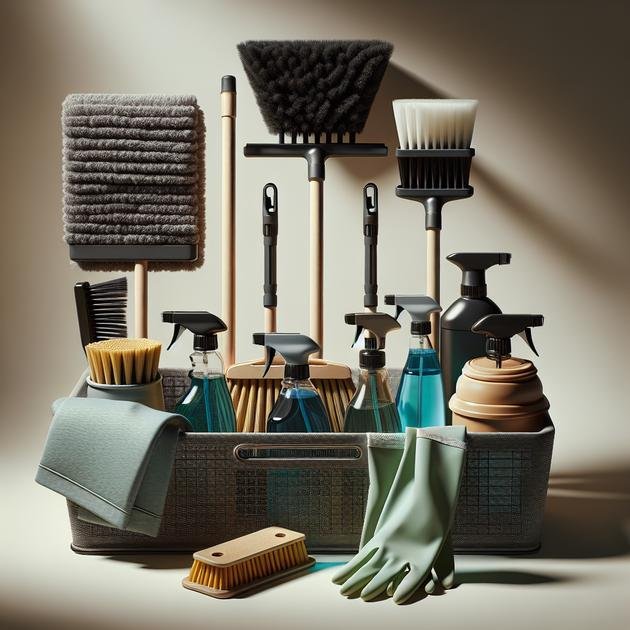
Making your own natural cleaning products is easy, affordable, and reduces waste. Basic ingredients like vinegar, baking soda, lemon juice, and essential oils can tackle most household cleaning tasks safely and effectively.
All-purpose cleaner
Mix equal parts of water and white vinegar in a spray bottle. Add 10-15 drops of your favorite essential oil, such as lavender or tea tree, for a fresh scent and extra antibacterial power. This cleaner works well on counters, glass, and floors.
Scrubbing paste
Combine baking soda with a small amount of water to form a paste. Use it to scrub sinks, tubs, and tough stains. The gentle abrasiveness helps remove grime without harsh chemicals.
Glass cleaner
Mix 2 cups of water, 1/4 cup white vinegar, and 1/2 teaspoon liquid castile soap. Shake well and spray on windows or mirrors, then wipe clean with a reusable cloth for a streak-free shine.
By making these natural cleaners at home, you eliminate plastic packaging and harmful ingredients while saving money. Plus, you control what goes into your products, ensuring they’re safe for your family and the environment.
tips for reducing plastic use in cleaning
Reducing plastic use in cleaning starts with simple changes to your routine. Choose reusable tools like cloth rags and mop heads instead of disposable wipes and synthetic sponges. These can be washed and reused many times, cutting down on waste.
Buy in bulk and refill
Opt for cleaning products sold in bulk or concentrated forms. Use refill stations or buy from companies that offer refillable containers to reduce single-use plastic packaging. Refill your own glass or stainless steel bottles at home.
Choose plastic-free products
Look for cleaning supplies packaged in cardboard, glass, or metal instead of plastic. Items like soap bars, powdered detergents, and loose natural ingredients help avoid plastic wrapping.
Make your own cleaning items
DIY natural cleaners reduce the need to buy plastic bottles. Store these homemade solutions in reusable glass bottles to avoid plastic waste.
Repurpose and recycle
Give a second life to old jars, bottles, and cloths. Use clean containers for storage and recycle plastics properly to keep waste out of landfills.
Small steps add up. By changing how you buy and use cleaning products, you can significantly lower your plastic footprint and support a healthier planet.
best zero waste cleaning tools and materials
Choosing the best zero waste cleaning tools and materials is key to effective and eco-friendly cleaning. Start with reusable cleaning cloths made from cotton or bamboo, which can be washed and reused many times.
Wooden brushes and scrubbers
Replace plastic scrubbers with brushes that have wooden handles and natural bristles. These are durable, biodegradable, and less harmful to the environment.
Glass and stainless steel containers
Use glass spray bottles and stainless steel containers for storing homemade or bulk cleaning products. These materials are reusable and reduce plastic consumption.
Natural sponges and soaps
Choose natural sponges like cellulose or luffa that break down safely after use. Opt for bar soaps and powdered detergents instead of liquid soaps in plastic bottles.
Reusable mop heads and dusters
Select mop heads made from washable fabric or microfiber that can be cleaned and reused. Use dusters with replaceable and biodegradable covers to minimize waste.
Using these sustainable tools not only reduces plastic waste but also supports a cleaner, healthier home and planet.
cleaning routines that minimize waste
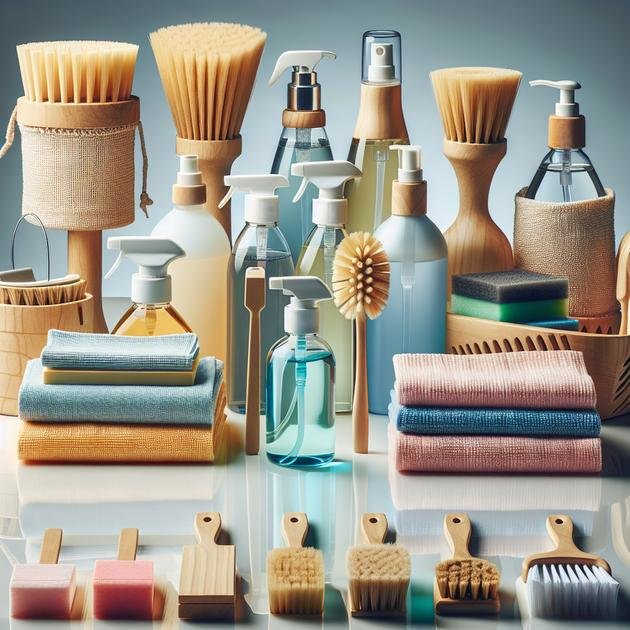
Developing cleaning routines that minimize waste involves planning and using sustainable practices consistently. Start by setting a regular schedule to prevent the buildup of dirt, which reduces the need for heavy cleaning or excessive use of products.
Use precise amounts of cleaning products
Measure and use only the amount needed. Overusing cleaners wastes product and can cause unnecessary pollution. Diluting concentrates properly also helps make your supplies last longer.
Multi-task with versatile products
Choose cleaning solutions that work on different surfaces to avoid buying many specialized products. Natural ingredients like vinegar and baking soda have multiple uses, minimizing waste from extra packaging.
Clean with reusable tools
Swap disposable wipes and paper towels for washable cloths and sponges. These can be cleaned and reused, cutting down on trash while still keeping things spotless.
Organize waste separation
Set up a clear system for recycling and composting cleaning waste like used cloths or packaging. This prevents useful materials from going to landfill and encourages responsible disposal.
Incorporating these habits into your cleaning routine not only reduces waste but also creates a more efficient and environmentally friendly home care practice.
challenges in zero waste cleaning and how to overcome them
Challenges in zero waste cleaning often include finding affordable products, adjusting to new habits, and managing time efficiently. Many people worry that zero waste methods are inconvenient or costly compared to traditional cleaning supplies.
Overcoming product availability and cost issues
Shop at local bulk stores or online zero waste shops to find affordable refills and eco-friendly products. Making your own cleaners with simple ingredients like vinegar and baking soda also cuts costs.
Changing habits and routines
Start small by replacing one item at a time, such as switching to reusable cloths instead of paper towels. Gradual changes are easier to maintain and reduce overwhelm.
Dealing with time constraints
Zero waste cleaning can be quick with the right tools. Using multipurpose cleaners and setting a regular cleaning schedule prevents buildup and lengthy chores.
Handling misconceptions
Understand that zero waste doesn’t mean perfect or waste-free all the time. Small efforts add up and contribute positively to the environment.
Being patient and persistent helps overcome these challenges, making zero waste cleaning a practical, rewarding lifestyle choice.
how zero waste cleaning impacts your health and environment
Zero waste cleaning has a positive impact on both your health and the environment by reducing exposure to harmful chemicals and decreasing pollution. Conventional cleaning products often contain toxins that can irritate skin, eyes, and lungs, whereas zero waste methods typically use natural, non-toxic ingredients.
Benefits for your health
Using natural products like vinegar, baking soda, and essential oils minimizes allergens and chemical residues in your home. This can lead to better indoor air quality and less risk of respiratory problems or skin irritation.
Environmental advantages
Zero waste cleaning reduces plastic waste and limits the release of harmful substances into waterways and soil. This protects wildlife and helps maintain cleaner ecosystems.
Promoting sustainable living
Adopting zero waste cleaning encourages a lifestyle that values conservation and resourcefulness. This reduces your carbon footprint and supports a healthier planet for future generations.
Overall, zero waste cleaning creates a safer home environment and contributes to long-term environmental wellbeing.
Embracing zero waste cleaning is easier than you think
Switching to zero waste cleaning helps protect your health and the environment with simple, affordable changes. By choosing natural products and reusable tools, you reduce waste and avoid harmful chemicals.
Small steps, like making your own cleaners or using washable cloths, can make a big difference over time. This approach not only keeps your home clean but also supports a sustainable lifestyle that benefits the planet.
Start today by adopting a few easy zero waste habits and enjoy a cleaner, healthier home and world.