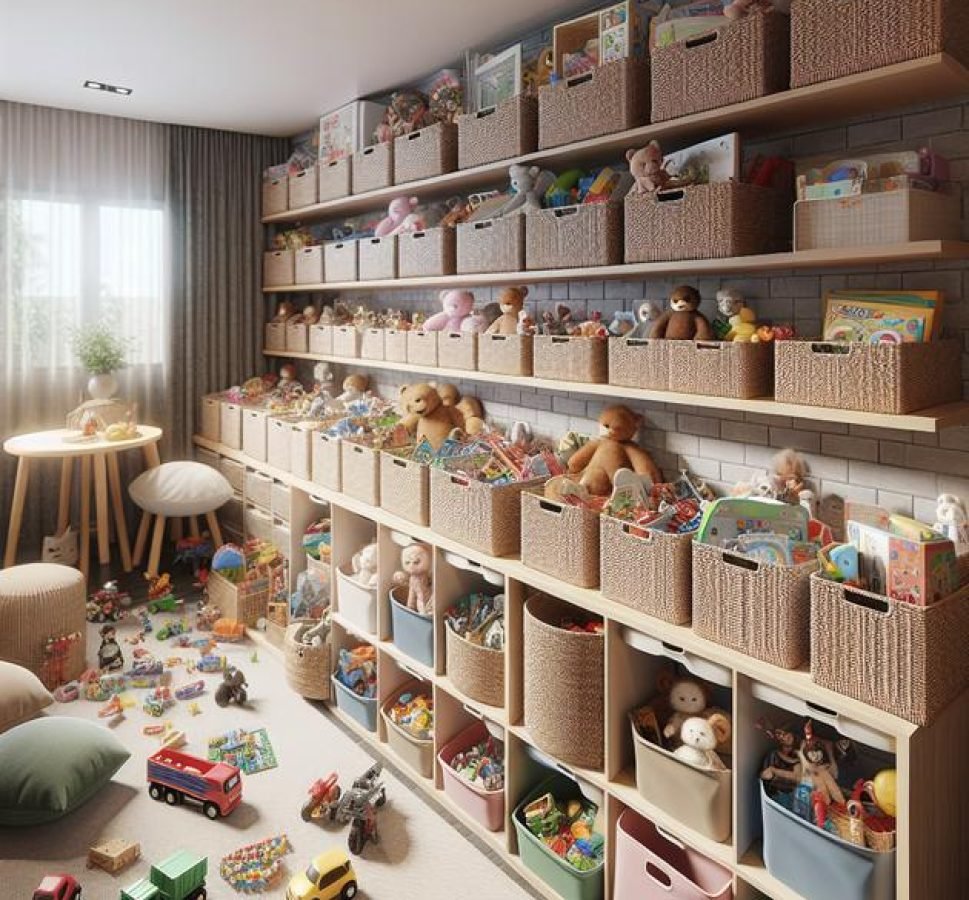
Organize kids toys naturally by choosing safe, eco-friendly materials, sorting by type and use, using labeled baskets and bins, rotating toys regularly, designing accessible storage, repurposing household items, and involving kids in cleanup routines.
Organize kids toys can feel like a never-ending battle, right? Imagine having simple, natural tricks that not only keep toys tidy but turn cleanup into a playful habit. Curious how some natural setups transform chaos into calm? Let’s dive in.
why choosing natural materials matters
Choosing natural materials to organize kids’ toys has several benefits that go beyond just looks. Materials like wood, cotton, and wicker are durable, safe, and eco-friendly alternatives to plastic. They often have a softer, warmer feel that creates a cozy environment for children. Natural materials are also less likely to contain harmful chemicals, making them safer for kids who often put toys in their mouths.
These materials tend to age well, gaining character over time rather than looking worn out. Using baskets made of wicker or boxes crafted from natural wood can add texture and a pleasant aesthetic to any playroom. Plus, they’re easier to recycle or biodegrade, reducing environmental impact.
Integrating natural elements encourages kids to develop a connection with nature early on, subtly promoting mindfulness and respect for the environment. Natural materials also provide sturdy options that can withstand rough play, meaning they last longer and hold up better under daily use.
Overall, picking natural materials helps create a safe, sustainable, and comforting space for children to play and organize their belongings.
how to sort toys by type and use
Sorting toys by type and use can make organizing kids’ play areas more efficient and fun. Start by grouping toys into categories such as dolls, building blocks, cars, or art supplies. Separate frequently used toys from those played with less often to keep everyday favorites within easy reach.
Use clear bins or labeled baskets to store each category separately. This helps children identify where each toy belongs, making cleanup easier and faster. Consider sorting by use as well, for example, indoor versus outdoor toys or quiet play versus active play items.
Creating zones in the playroom for different types of play encourages kids to switch toys and activities naturally, reducing clutter. For instance, keep puzzle pieces and board games in one area and sports equipment in another.
This sorting approach not only helps with organization but also teaches kids responsibility and decision-making. When they understand how toys are grouped, they can participate in tidying up, developing valuable life skills.
creative storage solutions with baskets and bins
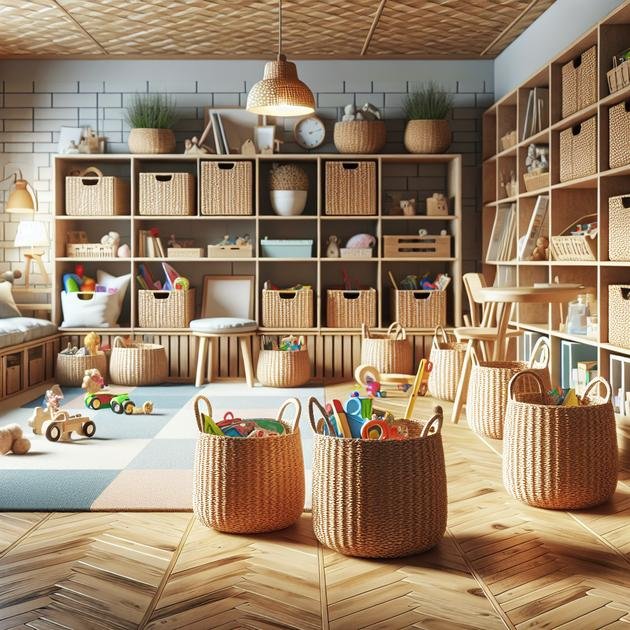
Using baskets and bins offers a versatile way to organize kids’ toys while keeping the play area visually appealing. These storage solutions come in various sizes and materials, allowing you to match them to your room’s décor and your child’s needs. Soft fabric bins are lightweight and easy for little hands to use, while sturdy wicker or wooden baskets add a natural touch and durability.
Stackable bins can maximize vertical space, making use of shelves or corners that would otherwise be empty. Clear or color-coded bins help children quickly identify where their toys belong. Labels, whether written or with pictures, make the system kid-friendly and encourage independent tidying.
Open baskets provide quick access to favorite toys, reducing frustration during playtime, while closed bins with lids keep clutter out of sight and protect toys from dust. Rolling bins on wheels are another creative option, allowing easy movement and cleanup in different areas of the house.
Mixing different basket and bin types creates a dynamic, organized environment that adapts to changing needs. This approach makes cleanup simpler and supports a sense of ownership in children, fostering good habits early on.
using labels to make cleanup easy
Using labels is a game changer when it comes to organizing kids’ toys and making cleanup simple. Labels create clear spots for each toy type and help children remember where everything belongs. You can use picture labels for younger kids who can’t read yet, showing images of the toys for easy identification.
For older kids, word labels encourage reading skills and responsibility. Use colorful, waterproof labels on bins, baskets, and shelves to withstand daily use. Labels also speed up tidying because kids don’t have to guess where to put things.
Custom labels can be fun and personalized, making the organizing process more engaging. Involve your children in creating these labels—it boosts their commitment to cleanup routines. Magnetic labels or chalkboard stickers offer flexibility to change the names as toys and needs evolve.
When combined with sorting systems, labels can transform cluttered play areas into neat, easily manageable spaces. This simple step supports independence and teamwork in keeping playrooms orderly.
incorporating toy rotation to reduce clutter
Toy rotation is an effective way to reduce clutter and keep children interested in their playthings. Instead of having all toys available at once, select a few toys to be accessible while storing the rest out of sight. Rotate these toys every few weeks or months to refresh the play area.
This method prevents overwhelm from too many options and encourages kids to appreciate each toy more. It also helps keep the space tidy as fewer toys are out at a time. Rotated toys can be stored in labeled bins or boxes, making it easy to swap them in and out.
Including your child in the rotation process helps them develop organization skills and stay engaged. You can make a rotation schedule together or choose toys based on season or interest.
By limiting toys on the floor, toy rotation promotes focus, creativity, and neatness in the playroom, helping maintain a natural and pleasant environment.
designing kid-friendly accessible storage
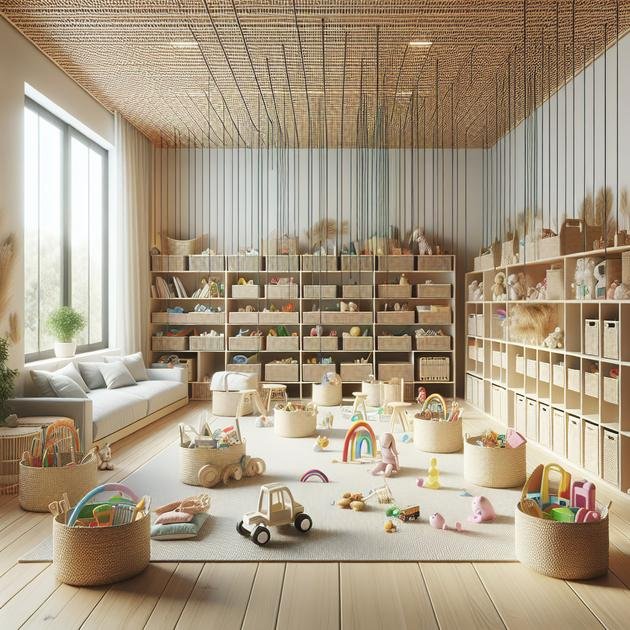
Designing storage that is kid-friendly and easily accessible encourages children to take charge of their toys and develop good habits. Place shelves, bins, and hooks at a child’s eye level so they can reach their toys without help. Low shelves and open bins make it simple for kids to grab and put away items independently.
Use a variety of containers with different textures and colors to engage children’s senses and keep the space inviting. Soft baskets, clear bins, and colorful boxes can all serve as storage while adding visual appeal. Incorporating fun elements like pull-out drawers or wheels on bins increases accessibility and mobility.
Labels with images or words on storage spots help kids remember where things belong, making cleanup more intuitive. Rounded edges and sturdy materials ensure safety while allowing kids to interact comfortably with their storage units.
Design spaces that allow for both individual play and group activities by including easy-to-move storage options. This thoughtful approach to storage empowers kids to manage their own toys, promoting organization and respect for their environment early on.
repurposing household items for toy organization
Repurposing household items is a smart and eco-friendly way to organize kids’ toys without spending much money. Items like mason jars, shoe organizers, old baskets, and muffin tins can be transformed into practical storage solutions. Mason jars are great for holding small toys like Lego pieces, crayons, or puzzle parts, keeping them visible and tidy.
Shoe organizers hung on doors provide multiple pockets to store various toys and art supplies, making use of vertical space efficiently. Old baskets or crates can be stacked or placed under tables to hold larger toys or stuffed animals.
Muffin tins can be used to organize tiny items such as beads or action figures, offering easy access and separation. Also, cardboard boxes covered with decorative paper make fun storage bins that kids can help decorate and personalize.
These creative uses of household items reduce waste and clutter while adding a unique charm to the play area. This approach encourages resourcefulness and keeps toy organization natural and simple.
involving kids in organizing routines
Involving kids in organizing routines helps build their sense of responsibility and makes tidying up more enjoyable. Set simple, clear tasks like putting toys back in bins or sorting books on shelves. Turning cleanup into a game or challenge can motivate children to participate eagerly.
Create a consistent schedule for organizing, such as before dinner or bedtime, so it becomes a normal part of their day. Use colorful charts or checklists with stickers to track progress and celebrate their achievements. This visual aid encourages accountability and a sense of accomplishment.
Offer choices about where toys go or how to arrange their space, giving kids a degree of control that fosters independence. Praise their efforts to reinforce positive behavior and make organizing a fun family activity.
When children are involved regularly, they learn valuable skills like sorting, categorizing, and time management, which can last a lifetime while keeping the playroom neat and welcoming.
Bringing it all together for natural toy organization
Organizing kids’ toys naturally makes play spaces safer, cleaner, and more inviting. By choosing natural materials, sorting toys thoughtfully, and using creative storage, you create a calm, enjoyable environment for children to grow in.
Simple tools like labels and toy rotation reduce clutter and encourage responsibility, while involving kids in organizing builds lasting habits. Repurposing household items adds a personal touch and supports eco-friendly living.
With these easy, effective steps, you can turn toy organization into a fun, natural part of your family’s routine, helping kids learn valuable skills and enjoy their playtime to the fullest.