A sustainable cleaning routine involves using eco-friendly products, organizing tasks effectively, reducing waste, and maintaining consistent habits to keep your home clean while minimizing environmental impact.
Have you ever wondered how a sustainable cleaning routine could change the feel of your home and the planet? Small changes in your weekly habits can make a big difference without overwhelming your schedule.
understanding sustainable cleaning principles
Understanding sustainable cleaning principles is the first step toward creating a sustainable cleaning routine that benefits both your home and the environment. At its core, sustainable cleaning means minimizing harm by choosing methods and products that reduce pollution and waste.
One key principle is using non-toxic, biodegradable cleaning agents that break down naturally without leaving harmful residues. This helps protect indoor air quality and prevents water pollution. Additionally, reducing the frequency and quantity of cleaning products used cuts down on chemical exposure.
Another important aspect is conserving resources. This includes using water thoughtfully, avoiding excessive rinsing, and opting for reusable cleaning tools like microfiber cloths instead of disposable wipes. Proper disposal and recycling of empty containers also maintain sustainability.
Integrated cleaning approaches involve combining mechanical action, like scrubbing, with natural products such as vinegar or baking soda, which reduces reliance on harsh chemicals. These principles promote a safer, cleaner home while aligning with eco-friendly values.
choosing eco-friendly cleaning products
Choosing eco-friendly cleaning products is vital for a sustainable cleaning routine. These products are made with natural ingredients that are less harmful to the environment and safer for your home. Look for labels that say biodegradable, non-toxic, or plant-based, which indicate a lower environmental impact.
Many conventional cleaning products contain harsh chemicals that can pollute waterways and affect your health. Eco-friendly options often use ingredients like vinegar, baking soda, and essential oils to clean effectively without risky additives.
When selecting products, consider the packaging as well. Choose brands that use recyclable materials or offer refill options to reduce plastic waste. Concentrated formulas can also minimize packaging and shipping emissions.
DIY Eco-Friendly Alternatives
You can create your own cleaning solutions using simple household items. For example, mixing equal parts water and vinegar makes a great all-purpose cleaner. Baking soda works well as a gentle abrasive for scrubbing surfaces.
By choosing eco-friendly products and making your own cleaners, you support sustainability while keeping your home clean and fresh.
organizing your weekly cleaning schedule
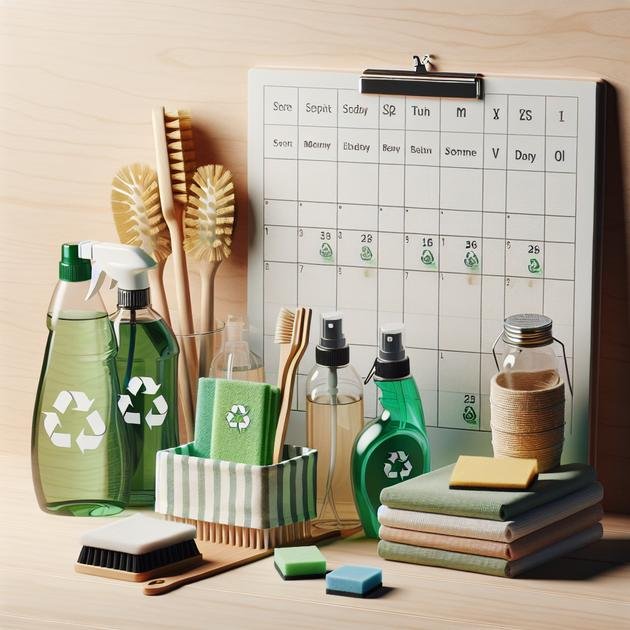
Organizing your weekly cleaning schedule helps make a sustainable cleaning routine manageable and effective. Start by breaking down tasks into daily, weekly, and monthly chores. This prevents overwhelming yourself and keeps cleaning consistent.
Plan your week by assigning specific tasks to each day, such as vacuuming on Monday or dusting on Wednesday. Using a checklist can help track progress and give a sense of accomplishment.
Grouping similar tasks together saves time and energy. For example, clean all surfaces on the same day or focus on one room at a time. This approach reduces unnecessary movement and makes cleaning more efficient.
Set realistic goals
Be honest about the time you have available and avoid trying to clean everything at once. Short daily sessions of 15-30 minutes can be more effective than long, exhausting cleaning marathons.
Use reminders or apps to stay on track and build a habit. Adjust your schedule as needed to fit your lifestyle without feeling pressured.
prioritizing tasks for efficiency
Prioritizing tasks is essential for an efficient sustainable cleaning routine. Not every chore needs the same attention, so focusing on high-impact areas saves time and energy. Start by identifying spaces that get the most use or attract the most dirt, such as kitchens, bathrooms, and entryways.
Daily quick tasks might include wiping countertops or sweeping floors, which keep your home feeling fresh. Deeper cleaning activities, like scrubbing bathrooms or vacuuming carpets, can be scheduled weekly or biweekly.
Using a priority matrix
To organize tasks, consider a simple matrix: urgent and important tasks should be done first, followed by important but less urgent ones. This method helps avoid unnecessary effort on low-impact chores.
Multitasking smartly can also improve efficiency. For example, spray a cleaner on surfaces and let it sit while you tidy another area, then return to wipe it down.
By prioritizing cleaning tasks this way, you reduce wasted effort while maintaining a healthy, sustainable home environment.
reducing waste during cleaning
Reducing waste during cleaning is a key part of maintaining a sustainable cleaning routine. Start by choosing reusable cleaning tools like microfiber cloths and mop pads instead of disposable wipes or paper towels. These items can be washed and reused multiple times, minimizing trash.
Opt for cleaning products that come in refillable or recyclable packaging. Many brands now offer concentrated formulas that require less packaging and produce less waste. Buying in bulk also cuts down on plastic use.
Minimize chemical waste
Use only the amount of cleaner needed to do the job effectively. Overusing products not only wastes materials but can also harm surfaces and the environment.
Consider making your own cleaners with natural ingredients like vinegar and baking soda, which typically do not create harmful waste and use minimal packaging.
Properly dispose of any hazardous waste like old cleaning chemicals or empty containers according to local guidelines to avoid environmental contamination.
incorporating natural cleaning ingredients
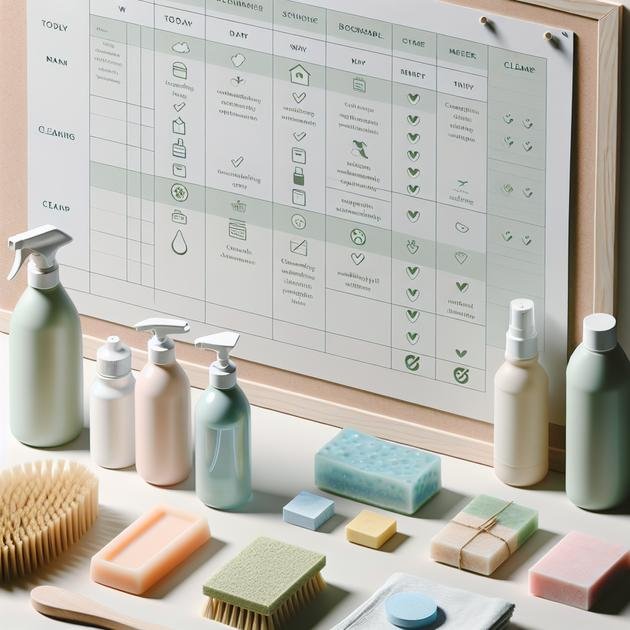
Incorporating natural cleaning ingredients into your sustainable cleaning routine can boost effectiveness while reducing chemical exposure. Common household items like vinegar, baking soda, lemon juice, and essential oils provide powerful, eco-friendly cleaning options.
Vinegar and baking soda
Vinegar acts as a natural disinfectant and deodorizer, great for cleaning glass, countertops, and floors. Baking soda works as a gentle abrasive to remove grime and stains without damaging surfaces.
Using lemon and essential oils
Lemon juice offers natural antibacterial properties and adds a fresh scent, making it ideal for tackling grease and soap scum. Essential oils like tea tree, lavender, or eucalyptus add antimicrobial effects and pleasant aromas.
These ingredients can be combined to make DIY cleaners. For example, a mix of vinegar and water serves as a multipurpose spray, while baking soda and lemon can scrub sinks and bathtubs effectively.
Benefits of natural ingredients include safety for children and pets, low environmental impact, and cost savings. They help maintain a clean home and promote a healthier lifestyle.
maintaining consistency without burnout
Maintaining consistency without burnout is essential to sustain a sustainable cleaning routine over time. Setting realistic goals and recognizing your limits helps prevent feeling overwhelmed. Spread cleaning tasks throughout the week to avoid long, exhausting sessions.
Build habits gradually
Start small by incorporating easy daily tasks, like wiping down surfaces or doing a quick tidy-up. As these habits become routine, gradually add more chores without rushing.
Take breaks and reward yourself
Taking short breaks between tasks can refresh your energy and focus. Celebrate progress, no matter how small, to stay motivated and positive.
Use tools to stay organized like checklists or apps that remind you of tasks without pressure. Adjust your schedule when needed, allowing flexibility for busy or low-energy days.
Remember, consistency means regular effort, not perfection. Making cleaning manageable and enjoyable can help you maintain your routine without stress or burnout.
tracking progress and adjusting habits
Tracking progress is a powerful way to stay motivated in your sustainable cleaning routine. Use journals, apps, or simple checklists to mark completed tasks and identify areas needing improvement. This helps keep your efforts visible and manageable.
Review your cleaning habits regularly
Set a weekly or monthly time to assess what’s working and what isn’t. Are some tasks taking too long? Are certain products less effective? Adjust your routine to fit your lifestyle better.
Celebrate milestones to maintain motivation. Reward yourself when you stick to your schedule or successfully reduce waste. Positive reinforcement encourages consistency.
Be flexible by allowing changes when needed. Life events, seasons, or household changes may require updates to your cleaning plan. Tracking lets you spot these moments and adapt without stress.
Wrapping up your sustainable cleaning routine
Creating a sustainable cleaning routine is all about smart choices and steady habits. By understanding eco-friendly principles, picking natural products, and organizing tasks wisely, you can keep your home clean while helping the planet.
Remember, consistency is key, but it’s just as important to avoid burnout by adjusting your routine when needed. Tracking your progress helps you stay motivated and make improvements over time.
Small changes add up to big results. Embrace these simple steps to enjoy a cleaner home and a greener lifestyle.