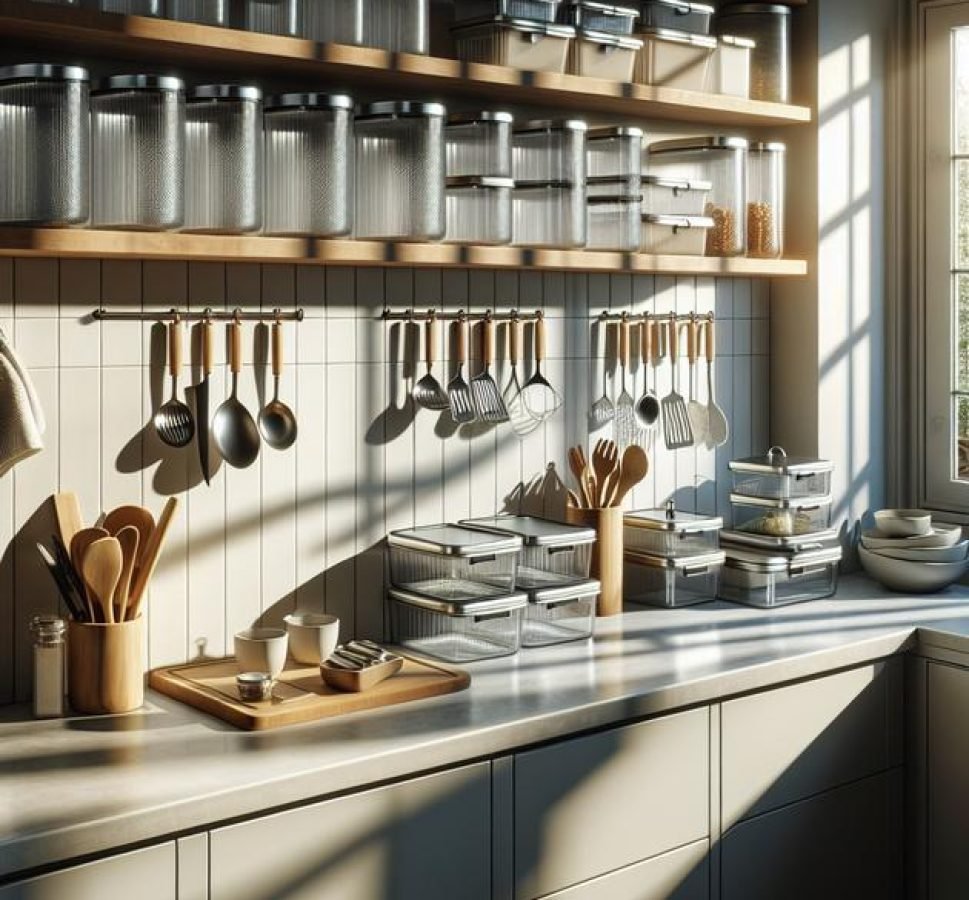
A zero waste kitchen minimizes food and packaging waste by using reusable tools, smart shopping, meal planning, composting, and creative reuse of scraps to create an eco-friendly and efficient cooking space.
Zero waste kitchen practices aren’t just trends—they’re chances to rethink how we live and cook. Ever wondered if cutting down kitchen waste could be easier than it sounds? Let’s dive into simple strategies that really make a difference.
understanding the zero waste kitchen concept
A zero waste kitchen is all about minimizing waste as much as possible while cooking and managing your kitchen space. It means making smart choices to reduce trash and reuse resources. Instead of throwing scraps away, you find ways to compost or repurpose them. Using bulk buying, reusable containers, and avoiding single-use plastics are key habits. The goal is to create less garbage, save money, and help the environment by reducing pollution and landfill use.
Key principles of a zero waste kitchen
First, focus on refuse and reduce: avoid products with excessive packaging and buy only what you need. Next is reuse and recycle: choose durable kitchen tools and containers, and recycle what you cannot reuse. Last, compost food scraps to turn waste into nutrients for your garden.
Why it matters
Traditional kitchens often generate a lot of waste, leading to negative impacts on the environment. Practicing zero waste helps you save natural resources, reduces greenhouse gases, and encourages a healthier lifestyle. It also brings awareness about our everyday habits and how small changes can have a big effect over time.
Adopting a zero waste kitchen isn’t about being perfect but making consistent, practical choices that fit your lifestyle. Imagine less clutter, fresher food, and more savings—this is the real benefit of embracing these changes.
essential tools for a zero waste kitchen
Creating a zero waste kitchen starts with the right tools that help reduce waste and make sustainable cooking easier. Investing in reusable containers like glass jars, silicone bags, and beeswax wraps replaces single-use plastics. These containers keep food fresh longer and are easy to clean.
Must-have kitchen tools
Compost bin: A small countertop compost bin makes collecting food scraps simple, turning waste into nutrient-rich compost instead of trash. Reusable produce bags: Replace plastic produce bags with washable cloth or mesh alternatives when shopping.
Bulk storage containers: Airtight glass or stainless steel containers help store bulk purchases, reducing packaging waste. Dish brushes and cloths: Choose biodegradable or long-lasting cleaning tools instead of disposable sponges and paper towels.
Multi-use kitchen tools: Tools like a salad spinner, vegetable peeler, and a sharp knife encourage cooking from scratch, which generates less waste than processed foods. Consider a water filter to avoid buying plastic bottles.
Why quality matters
Choosing durable and easy-to-clean tools reduces the need to replace them frequently, lowering overall waste. Look for brands that prioritize eco-friendly materials to align with zero waste values. Having these essentials on hand supports consistent and stress-free zero waste habits in your kitchen.
how to shop smarter and waste less
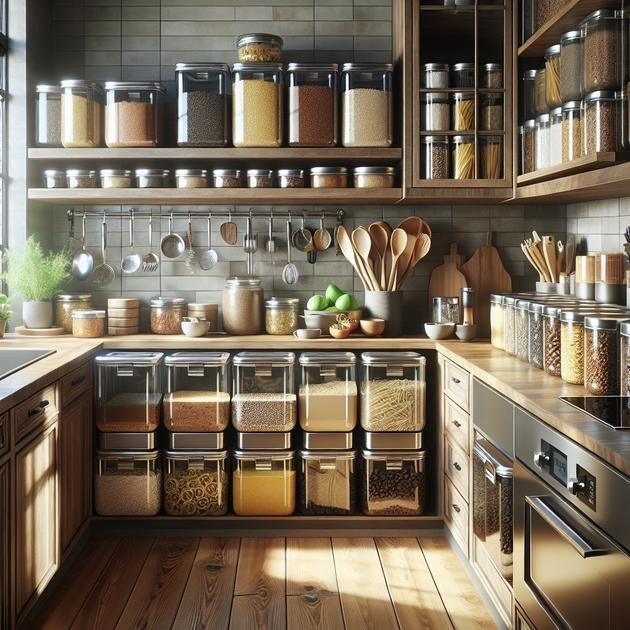
Shopping smarter is a key practice in a zero waste kitchen. It starts with planning your meals for the week to avoid buying more than you need. Make a detailed shopping list based on these plans and stick to it to reduce impulse buys and food waste.
Tips for smarter shopping
Buy from local farmers’ markets where you can find fresh, seasonal produce with less packaging. Choose loose fruits and vegetables instead of pre-packaged ones. Bring your own reusable bags to eliminate single-use plastic bags.
Purchase staple foods like grains, nuts, and spices in bulk using your own containers. This limits excess packaging waste and often saves money. When possible, opt for products with minimal or recyclable packaging.
Be mindful of product choices
Check expiration dates and only buy amounts you can realistically consume before spoilage. Consider the shelf life of items to plan better. Avoid disposable items and prioritize reusable or refillable products such as cleaning supplies and personal care items.
Smart shopping is not just about reducing waste but also about being more aware of your consumption habits. It helps the environment by cutting down plastic pollution and supports a healthier lifestyle with fresher ingredients.
smart storage ideas to avoid food spoilage
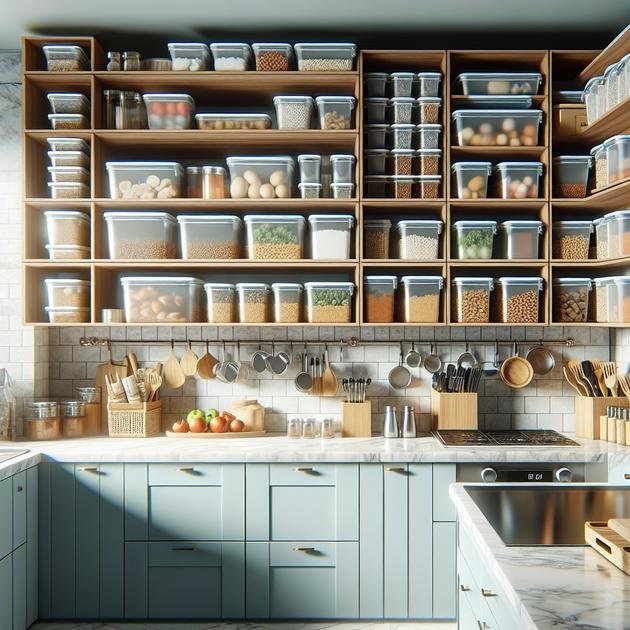
Effective storage is essential to keep food fresh and avoid unnecessary waste in a zero waste kitchen. Start by organizing your fridge and pantry so you can easily see what you have. Use clear, airtight containers to store leftovers and bulk foods. This prevents spills and keeps food fresher longer.
Tips for smart storage
Label containers with the date when food was stored to track freshness and reduce chances of forgetting items. Use breathable bags for vegetables like onions and potatoes to prevent moisture buildup.
Store herbs wrapped in a damp cloth inside the fridge to extend their life, and keep fruits and vegetables separated to avoid premature spoilage caused by ethylene gas. Freeze unused portions or excess food to save it for later use.
Use the right containers
Glass jars, silicone lids, and beeswax wraps are great alternatives to plastic wraps and bags. They are reusable, eco-friendly, and maintain food quality. Mason jars work well for soups, salads, and dry goods.
Regularly check your supplies and rotate older items to the front. This ensures you consume foods before they expire and reduces the chance of throwing them away. Smart storage habits save money and help the environment by lowering food waste.
creative ways to reuse kitchen scraps
Reusing kitchen scraps is a smart way to reduce waste and get the most out of your food. Instead of throwing peels, stems, and cores away, you can turn them into useful items that benefit your home and garden.
Make vegetable stock
Collect vegetable scraps like onion skins, carrot ends, and celery leaves in a bag or container in the freezer. Once you have enough, boil them in water to make a rich, homemade vegetable stock. This reduces waste and adds flavor to your meals.
Compost scraps
Food remnants such as eggshells, coffee grounds, and fruit peels can be composted. Composting turns organic waste into nutrient-rich soil that helps your garden grow strong and healthy. Setting up a compost bin in your kitchen or backyard makes this process easy and convenient.
Create natural cleaners
Citrus peels can be soaked in vinegar for a few weeks to create a natural, eco-friendly cleaning solution. This mixture is excellent for cleaning surfaces and removing odors without harsh chemicals.
Feed plants or animals
Some kitchen scraps like banana peels and coffee grounds make great fertilizers for plants. If you have backyard chickens or pets like rabbits, certain scraps can be used as treats or supplements, reducing food waste further.
Reusing scraps not only lowers your kitchen waste but also saves money and supports a more sustainable lifestyle. With small changes, you can turn what was once trash into valuable resources.
best practices for composting at home
Composting at home is a simple way to turn kitchen scraps and yard waste into rich soil for your garden. Start by choosing a compost bin or pile that suits your space. It can be a small container for apartments or a larger bin for outdoor yards.
What to compost
Include fruit and vegetable scraps, coffee grounds, eggshells, and yard waste like grass clippings and leaves. Avoid meat, dairy, and oily foods as they can attract pests and cause bad odors.
How to maintain your compost
Mix green materials (like food scraps) with brown materials (like dry leaves or shredded paper) to keep the compost balanced. Turning the compost regularly adds oxygen and helps speed up decomposition. Moisture is important too; the pile should be as damp as a wrung-out sponge.
Keep an eye on the compost’s smell; it should smell earthy, not rotten. If it smells bad, add more brown materials and mix well.
Benefits of home composting
Composting reduces the amount of waste sent to landfills and lowers greenhouse gas emissions. It also creates nutrient-rich soil that improves plant health and saves money on fertilizers.
With a little attention, home composting becomes a routine that supports a zero waste kitchen and a healthier planet.
tips to reduce single-use plastics in your kitchen
Reducing single-use plastics in your kitchen is a powerful step toward a zero waste kitchen. Start by replacing plastic bags with reusable cloth or mesh bags when shopping. Carry reusable produce bags and containers to avoid plastic packaging.
Alternatives to single-use plastics
Use beeswax wraps or silicone lids instead of plastic wraps. Switch to glass or stainless-steel containers for storing leftovers instead of disposable plastic containers. Choose bar soaps and shampoo bars over liquid versions in plastic bottles when possible.
Say no to plastic straws and cutlery by using bamboo or metal alternatives. Invest in a reusable water bottle and coffee cup to eliminate the need for disposable cups and bottles. Avoid purchasing items with excessive plastic packaging.
Shop consciously
Buy in bulk to minimize packaging and choose products packaged in paper or cardboard. Support brands committed to sustainable packaging and bring your own containers to refill stations if available.
Small changes, like keeping a reusable bag in your car and planning meals, reduce the need for takeaway containers and plastic wraps. These actions add up, cutting down plastic waste significantly over time.
meal planning to minimize waste
Meal planning is a smart strategy to minimize waste and keep your kitchen efficient. By planning your meals ahead, you buy only what you need, avoiding extra food that can spoil. Start by checking what you already have to use those ingredients first.
How to plan effectively
Create a weekly meal plan that includes breakfasts, lunches, dinners, and snacks. Write a detailed shopping list based on this plan and stick to it. This helps prevent impulse buys and reduces food waste.
Batch cooking or preparing meals in bulk saves time and ensures you use ingredients before they go bad. Store leftovers properly and use them for lunches or creative new dishes.
Incorporate leftovers creatively
Transform leftover vegetables, grains, or proteins into soups, stir-fries, or salads. This not only reduces waste but also adds variety to your meals. Be mindful of portion sizes to avoid cooking too much at once.
Effective meal planning supports a zero waste kitchen by reducing trash and saving money. It makes grocery shopping simpler and keeps your fridge organized and stocked with usable food.
Start transforming your kitchen today
Creating a zero waste kitchen may seem challenging at first, but small changes can make a big difference. By adopting smart tools, shopping wisely, and planning meals carefully, you can reduce waste and save money.
Reusing scraps, composting, and cutting down on single-use plastics help the environment and create a cleaner, healthier space. Each step you take moves you closer to a sustainable kitchen that benefits your home and the planet.
Remember, progress is more important than perfection. Embrace these habits at your own pace and enjoy the journey to a zero waste kitchen.